The World Series Hasn’t Even Wrapped Up, but Serious Fantasy Baseball Fans Are Already Running Next Year’s Mock Drafts
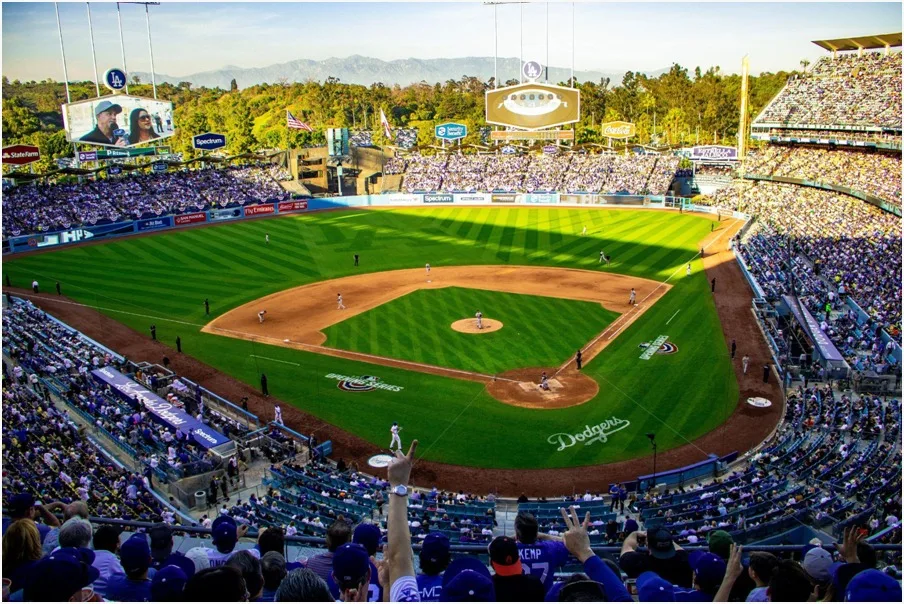
The Chicago Cubs scored 850 runs this season, more than any team in the majors, and still went home after two games. San Diego’s bullpen closed out a wild card sweep of the Cubs on September 30, with Pete Crow-Armstrong, known to fantasy players simply as PCA, and Alex Bregman going a combined 0 for 15 in the series. For Chicago fans, and for the millions of fantasy players who rode PCA’s 45 homer, 41 steal season, the year effectively ended there, more than three weeks before a World Series scheduled to open on October 23.
That gap is where a surprising number of fantasy players start on next season. Yahoo Sports has already published an early 2027 top 25 with PCA at No. 1, and the cheapest way for a newcomer to understand what that means on draft day is a fantasy baseball mock draft: a practice draft against computer opponents where nothing counts, nobody keeps the team and you can start over as often as you like. RotoWire’s simulator, for example, allows unlimited drafts, lets you pick from any slot in the order and adjusts to your own league’s roster and scoring rules.
What a mock draft actually is
A real fantasy baseball draft works like a schoolyard pick, stretched over a couple of hours. Ten or twelve managers take turns selecting players until every roster is full, which in a standard league means somewhere north of 20 rounds. Most leagues use a snake order, so the manager who picks first in round one picks last in round two. In a 12 team league, that means the owner of the top pick waits until the 24th selection for a second player.
A mock draft recreates that whole process without consequences. The software fills the other seats with automated drafters who pick according to consensus rankings and typical draft behavior, and you make your selections against the clock exactly as you would on the real night. When it ends, you get a finished roster to study and, more usefully, a record of every decision you made along the way.
For beginners, that record is the point. Most first time managers lose their draft in the middle rounds, not the first one. They take the famous name instead of the useful one, or they wait too long on a position that dries up. A practice run shows those mistakes when they cost nothing.
Running your first one
Start by matching the format to the league you expect to join. A rotisserie league that tracks steals and saves values players very differently from a points league, and practicing under the wrong settings teaches the wrong lessons.
Next, draft from the slot you are likely to get, then try a few others. Picking first and picking tenth produce completely different drafts, because the player you want at pick ten in round one may come back around to you or may be gone for good.
While you draft, keep an eye on ADP, short for average draft position. It is simply the pick at which a player tends to go across thousands of real drafts. If you take someone 40 picks ahead of his ADP, you probably could have waited. If a player is still sitting there 30 picks after his ADP, that’s a bargain worth noticing.
Watch for position runs as well. Once two or three managers take a closer, others panic and follow, and the same thing happens with catchers. Seeing a run coming lets you either jump ahead of it or calmly take value elsewhere while everybody else scrambles.
Finally, look for sleepers, the players drafted well below what their stats suggest. Mock results make them easy to spot because they keep turning up on your roster in the late rounds.
Real teams are doing the same homework
Front offices are running their own version of this exercise right now. Within days of the regular season ending, reports had the Phillies parting ways with interim manager Don Mattingly, while Arizona confirmed Torey Lovullo would return for an 11th season. Every eliminated club is sorting out which of its players it still trusts and where the money should go this winter.
Fantasy players should expect those decisions to reshuffle their boards. Tarik Skubal, who opened the Dodgers’ Division Series on the mound, is a pending free agent, and where he signs will matter to anyone who drafts pitchers early. Baseball’s collective bargaining agreement also expires on December 1, and a lockout is widely expected. The last one, in 2021 and 2022, lasted 99 days and froze major league transactions until it ended.
That is why an October mock draft is about process rather than final answers. The player values will move. The skills you build, reading a draft board and reacting when a position thins out, carry over regardless.
From practice in October to the real thing in March
Most leagues draft in the final weeks of March, shortly before an Opening Day currently penciled in for March 24, 2027, assuming the labor dispute is settled in time. Someone who runs a handful of mocks this fall and another batch once spring training opens will walk into that draft knowing roughly where the top names go and when to stop waiting on a shortstop.
Whether PCA ends up going first overall in your league next spring or loses that spot to Shohei Ohtani, as ESPN’s early top 50 suggests he might, you will already have practiced both scenarios a dozen times. That is a better head start than most of the people you will be drafting against.