The Zipperless Trolley Upgrade: Unmatched Durability, Style, and Real Storage
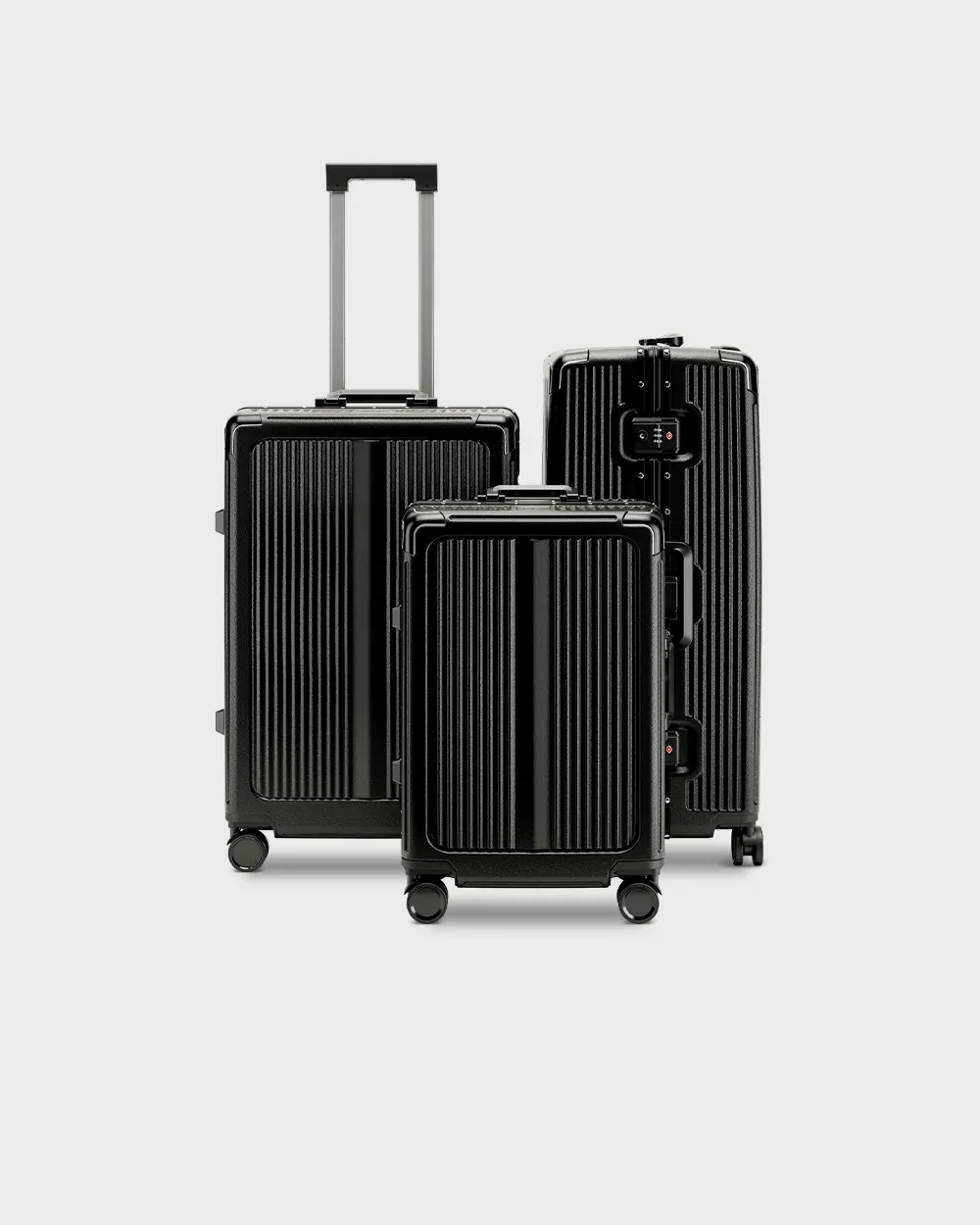
There is a particular kind of frustration that comes with packing for a trip: the suitcase is almost full, the last few essentials still need to go in, and the zip refuses to meet in the middle. Then comes the familiar airport routine of pulling the bag behind you, lifting it into a car boot, navigating crowded terminals and hoping it comes through baggage handling in good shape.
These everyday moments explain why luggage design deserves more attention than it often receives. A travel trolley bag is not simply a container for clothes. It is something we rely on through early departures, long connections, hurried hotel check-ins and journeys that rarely go exactly to plan.
Among the design changes gaining attention is the zipperless trolley. With a structured closure, a streamlined exterior and storage layouts designed around practical use, it offers a different way to think about what a suitcase should do. The appeal is not just how it looks, but how it performs throughout a journey.
What Makes a Zipperless Travel Trolley Bag Different?
Traditional suitcases use a zipper to bring two sides of the case together. Zipperless designs typically use a rigid frame and locking mechanism instead. The result is a more structured opening system, often with a clean, uninterrupted exterior.
For travellers, the difference becomes noticeable in daily use. Rather than pulling a zip around the entire case, the user opens and closes it through the integrated locks. A zipperless design makes opening and closing easy, but durability and security still depend on the frame, hinges, locks and overall construction. A well-designed case should be judged as a complete product, not by one feature alone.
Durability Begins With Materials and Construction
Luggage is exposed to more than the occasional bump. Frequent handling can wear down a suitcase’s wheels, handles and corners. When choosing a durable travel trolley bag, consider its construction and materials: polycarbonate is lightweight and impact-resistant, while aluminium offers a rigid structure and sleek finish. Neither material is automatically the right choice for every traveller. Weight, handling preferences, travel frequency and the kind of journeys being taken should all influence the decision.
Construction matters just as much. Reinforced corners can help protect areas exposed to knocks, while dependable handles and well-designed wheels make repeated movement easier. A closure should feel secure and operate consistently, and the case should be easy to maintain between trips.
The practical question is not whether a suitcase can withstand every possible impact. No luggage can promise that. It is whether its materials and components are suited to the demands the traveller is likely to place on them.
Real Storage Is About Usable Space
A suitcase can appear spacious and still be frustrating to pack. Bulky handles, awkward interior shapes and poorly arranged compartments can reduce the room available for clothing and essentials.
A useful travel trolley bag makes the most of its internal dimensions. A well-planned interior helps travellers separate clothing, accessories, toiletries and items they need to reach quickly. Compression straps can keep packed items in place, while pockets make smaller belongings easier to organise.
The external handle design also plays a role. Some wide-handle configurations leave more of the interior available for packing than conventional centrally mounted handles. However, the actual benefit depends on the case’s construction and dimensions, so published capacity and internal layout are more useful than appearance alone.
Think about a typical three-day business trip. A laptop, charger, a change of shoes, workwear and toiletries all need their place. If the suitcase forces these items into awkward corners, packing becomes a compromise. If the interior is planned well, the same trip can feel much more manageable.
Storage is not just about fitting in more. It is about being able to find what you need without unpacking everything else.
Style Should Serve the Journey
Luggage has become part of personal style, particularly for people who travel regularly for work or move between business and leisure trips. A suitcase may be seen in airport lounges, hotel lobbies, conference venues and city streets, so its design naturally influences purchasing decisions.
Metallic finishes, understated colours, distinctive textures and clean lines can give a suitcase a more considered appearance. Yet visual appeal should not come at the expense of comfort or function.
A premium-looking case still needs to roll smoothly, turn easily in crowded spaces and remain manageable when lifted. Its handle should feel comfortable, its locks should be straightforward to use, and its dimensions should suit the traveller’s usual routes.
The best design decisions are often the ones that become less noticeable with use. A suitcase that is easy to manoeuvre and simple to organise may prove more valuable over time than one chosen for appearance alone.
Security and Convenience Need to Work Together
Zipperless trolley bags often feature combination locks, with some offering TSA-approved options. These add convenience but do not guarantee protection against theft. Travellers should still keep valuables and essential documents close, follow airline guidance and check the lock specifications before buying.
Other details can make a meaningful difference, too. Spinner wheels and accessible compartments improve convenience, while frequent flyers may prioritise manoeuvrability and holidaymakers may need more storage. Choosing well starts with recognising those differences.
Choosing a Travel Trolley Bag That Fits Your Routine
Before investing in a new suitcase, consider a few practical questions:
- How often do you travel? Frequent trips place more demands on wheels, handles and closure mechanisms.
- Do you usually check in your luggage? If so, pay close attention to construction, corner protection and overall weight.
- What do you carry? Work equipment, family essentials and holiday clothing create different storage needs.
- How much space do you need? Compare the dimensions and stated capacity rather than relying on exterior appearance.
- Will you need to lift it often? A sturdy case can still be inconvenient if its empty weight is too high for your routine.
- Does the warranty suit your expectations? Check what is covered, including wheels, locks, handles and other components.
These considerations help put features into context. A well-chosen suitcase should suit the way you travel, rather than requiring you to change your habits around it.
Navigo offers zipperless luggage across different designs and materials, including models with structured closures, organised interiors and features intended to make travel more convenient. As with any luggage purchase, comparing the specifications of the particular model is more useful than assuming every product offers the same benefits.
A Better Suitcase Is One That Makes Travel Easier
The appeal of a zipperless trolley is easy to understand: a structured closure, a clean design and the possibility of a more organised packing experience. But the real upgrade comes from how these features work together.
Materials influence weight and impact resistance. Construction affects how the case handles everyday knocks. Interior planning determines whether storage feels generous or awkward. Wheels, handles and locks shape the experience of using the bag repeatedly.
A travel trolley bag should make the practical parts of a journey simpler, from packing at home to moving through a busy terminal. The most useful choice is not necessarily the one with the longest feature list or the boldest finish. It is the one that fits your routine, carries what you need and remains convenient over many journeys.
That is what good luggage design should ultimately deliver: less friction around travel, and more attention left for the journey itself.