Thermal Insulation Explained: How It Works and What to Use
Buildings are continuously exposed to heat movement through the roof, exterior walls, floors, windows, and service openings. Thermal insulation creates a protective layer that limits this movement, helping indoor spaces remain more comfortable while reducing the amount of energy required for cooling.
How Does Thermal Insulation Work?
Heat enters and leaves a building in three main ways: through solid surfaces, moving air, and radiant energy. Insulation materials slow heat passing through structural elements by holding small pockets of air within their composition. Sealing products also help prevent hot air from entering through joints around windows, ducts, pipes, and other penetrations. Reflective insulation, meanwhile, can redirect part of the radiant heat reaching roofs and external walls.
The effectiveness of insulation depends on its thermal resistance and conductivity. A higher R-value indicates better resistance to heat flow, while lower thermal conductivity means the material transfers heat more slowly. In Dubai’s hot climate, a properly installed insulation system can reduce indoor heat gain, ease the load on air-conditioning equipment, and support more consistent room temperatures.
Common Materials and Where They’re Used
- Fiberglass — the most widely used option thanks to its low cost and solid performance. Typically installed in walls, attics, and crawl spaces; works well as long as it’s kept dry and properly fitted between studs.
- Mineral wool — provides strong fire resistance alongside decent thermal and sound performance. Often chosen for areas where fire safety is a priority, even though it costs more than fiberglass.
- Foam boards — offering high R-values in a thin profile. A good fit for foundation walls and floors where space is limited, and more moisture-resistant than most fibrous materials.
- Cellulose — made from treated recycled paper, a budget-friendly, eco-conscious option for attics and wall cavities, though it can lose effectiveness if it absorbs moisture over time.
- Spray foam — expands on application, filling irregular gaps and cracks that rigid materials can’t reach. Particularly useful around wiring, ducts, and pipe penetrations where a tight seal matters as much as insulation value.
Sealing and Pipe Work: The Details That Get Overlooked
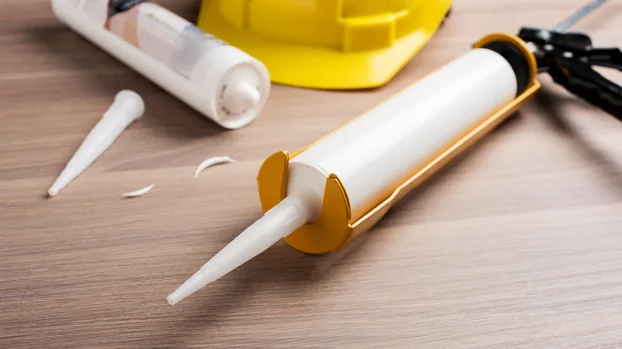
Insulation only works as well as the seal around it. Gaps around windows, vents, and service penetrations are usually finished with a sealant silicone, which stays flexible through temperature swings and keeps air from leaking through small joints that insulation alone can’t cover. This step is easy to skip but it’s often the difference between a well-insulated wall and one that quietly loses heat at the edges.
Pipework deserves its own attention too. Hot and cold water lines routed through unheated spaces — basements, crawl spaces, exterior walls — lose or gain heat quickly if left bare. Wrapping exposed pvc pipes with a foam or fiberglass sleeve cuts down on that loss and helps prevent condensation buildup, which is a common cause of mold in poorly insulated spaces.
Weighing Cost Against Long-Term Value
Cheaper materials like fiberglass and cellulose keep upfront costs low, while foam boards and mineral wool cost more but often pay for themselves through lower energy bills and added durability. The right call usually comes down to the specific area being insulated — a cost-effective attic solution isn’t necessarily the right choice for a foundation wall or an exposed pipe run. Matching the material to the location, rather than picking one option for the whole project, is what actually delivers the energy savings insulation is meant to provide.