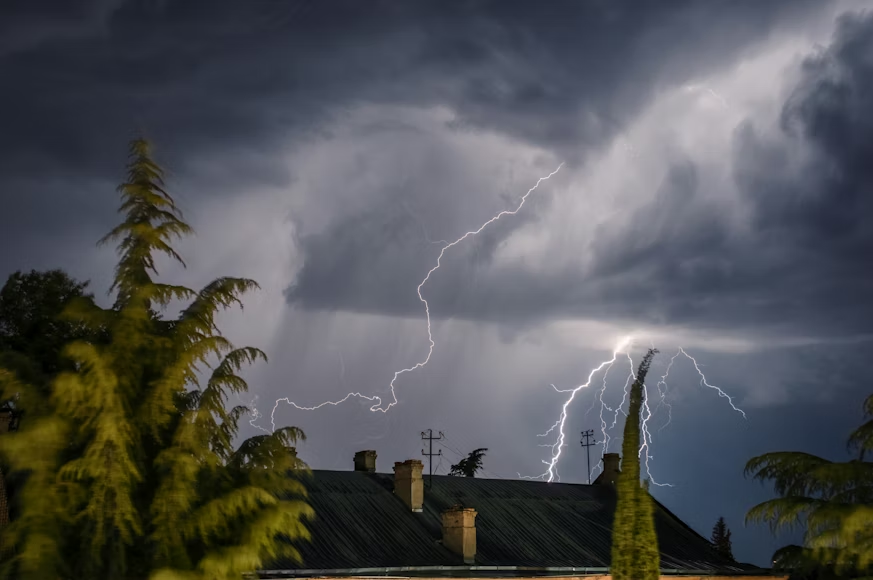
Things That Homeowners in Storm-Prone Areas Should Never Neglect
Storms test every weak point in a house at once. In regions prone to hurricanes, cyclones, or severe thunderstorms, storms are not rare events but recurring stress tests for your property. According to the Denver Gazette, Eastern Colorado witnessed severe storms in May 2025. Many properties were destroyed or damaged as multiple tornadoes touched down in the area.
Homeowners often realize the importance of proactive measures like maintenance checks by roofers and calling certified storm door installers at such times. Neglecting structural maintenance or safety planning often worsens the impact of storms. Therefore, it makes sense to stay one step ahead and fortify your home against potential damage.
In this article, we will list the things you should not neglect if you own a home in a storm-prone area.
Roofing Integrity
Roofing Contractor narrates how severe storms in many parts of the US caused damage to roofs across the country in March 2025. From Texas to the Northeast, trusses and girders were torn off numerous roofs, as gusts approaching 90 mph and huge hail hit them hard. Homeowners were left helpless because they were not prepared.
The roof is the first and largest line of defense, yet it is also one of the most commonly neglected systems. Missing shingles, loose flashing, clogged gutters, and aging materials make it easier for wind and rain to penetrate. Once this happens, interior water damage, mold, and even structural weakening follow.
In storm-prone areas, homeowners should schedule routine roof inspections, especially before storm season. This helps identify and repair loose shingles, damaged underlayment, and weak flashing. Upgrading to wind-rated or impact-resistant roofing and adding hurricane straps can keep the roof secure and prevent catastrophic failures.
Resilience of Doors and Windows
Doors and windows are classic failure points in high winds, and homeowners often pay little attention to them. Broken glass or buckled frames allow wind and rain to rush inside and pressurize the home. If doors and windows are compromised, roof and wall failures become far more likely. Moreover, glass shards or flying debris increase the risk of injury inside the home.
Homeowners should never neglect reinforcing entry doors, garage doors, and windows with appropriate hardware, impact-rated products, or storm shutters. Denver Storm Door recommends upgrading the doors to add an extra layer of protection. Besides strength, storm doors also offer style and aesthetic value to properties.
Reinforcing your doors and windows is a good step, but you can do a little more to fortify your space. Sealing gaps with weatherstripping and caulk prevents heavy winds from entering your place. You can consider adding strong deadbolts and hinge screws, and using properly rated garage doors to keep the building envelope intact when winds intensify.
Proper Landscaping
Landscaping can either protect your home or turn into a source of dangerous projectiles and falling hazards during a storm. According to Garden Professors, dead trees that could fall over can be a big hazard. Likewise, ensure there are no broken limbs, because they could snap off in high winds and become wind-borne missiles.
Overhanging branches and dense vegetation near the house increase the chance of smashing windows or blocking exits and driveways. If you overlook these potential disasters, you may end up with extensive damage to the exterior and interior of your home after a storm.
Regularly trimming trees away from roofs and power lines and removing dead or unstable trees are tasks homeowners should not postpone. Choose wind- and drought-tolerant species, maintaining healthy root systems. Also, avoid having heavy decorative items near windows and doors to contribute to a more storm-resilient yard.
Securing Outdoor Items
Unsecured outdoor belongings often become dangerous flying debris in strong winds. They can damage siding, roofs, windows, and even neighboring properties. As a homeowner, you may end up facing a nasty dispute if a neighbor or passerby sustains injuries in these circumstances.
Common outdoor culprits include patio furniture, grills, umbrellas, garden décor, toys, and lightweight equipment that wind can easily lift. A strong gust can carry these items away much farther than you imagine.
Homeowners should plan in advance where each major item will go when a storm is forecast. You can store them indoors, in a garage, or tightly anchored. Installing anchors for grills and play equipment and using weighted bases for umbrellas are wise moves. You can store loose items in sheds or storage boxes to reduce property damage and personal injury risk.
Insurance Coverage
Insurance is the financial safety net of storm preparedness, but many homeowners neglect to review their policies until after a loss. US News reports that many homeowners are finding insurance unaffordable as providers have increased premiums. This surge has been driven by a growth in the number of claims due to more costly weather catastrophes in the country.
However, not having enough coverage can land you in a problem. Standard home insurance often covers wind-related damage, but may exclude or limit flood coverage. In this situation, storm surge or inland flooding can leave major gaps.
Homeowners in storm-prone regions should regularly review policy limits, deductibles, and exclusions. Consider separate flood or windstorm policies if you see the risk growing. You can streamline potential claims by documenting the home and belongings with photos or videos before storm season and keeping copies of policies and inventories in a safe location.
FAQs
Which natural hazard poses the largest threat to humans?
Globally, floods and storms are among the most frequent and widespread natural hazards. These events affect hundreds of millions of people and cause massive economic losses. However, earthquakes have historically caused the largest number of disaster-related deaths across the world.
What is the most damaging part of the storm?
For many tropical cyclones, storm surge, the abnormal rise of sea water driven inland by wind, is often the deadliest and most destructive element. While this affects coastal communities, heavy rainfall and resulting flooding frequently cause more damage and fatalities inland. Strong winds and airborne debris remain major triggers of structural damage.
What should you do at home during a storm?
During a severe storm, stay indoors, away from windows and exterior doors. Find secure shelter in an interior, windowless room on the lowest level if possible. Keep updated through official alerts, close internal doors and curtains, and avoid using plumbing if lightning is present. Also, turn off utilities only if instructed by authorities or if you must evacuate.
Living in a storm-proof area means you should go the extra mile with home safety. The more prepared you are, the less likely the risk of damage to your home and loved ones. Follow this checklist of things you should not overlook, and create a space that offers a safe haven to your family when disaster hits.