
Titanium’s Moment: How Precision Machining is Powering the Next Industrial Revolution
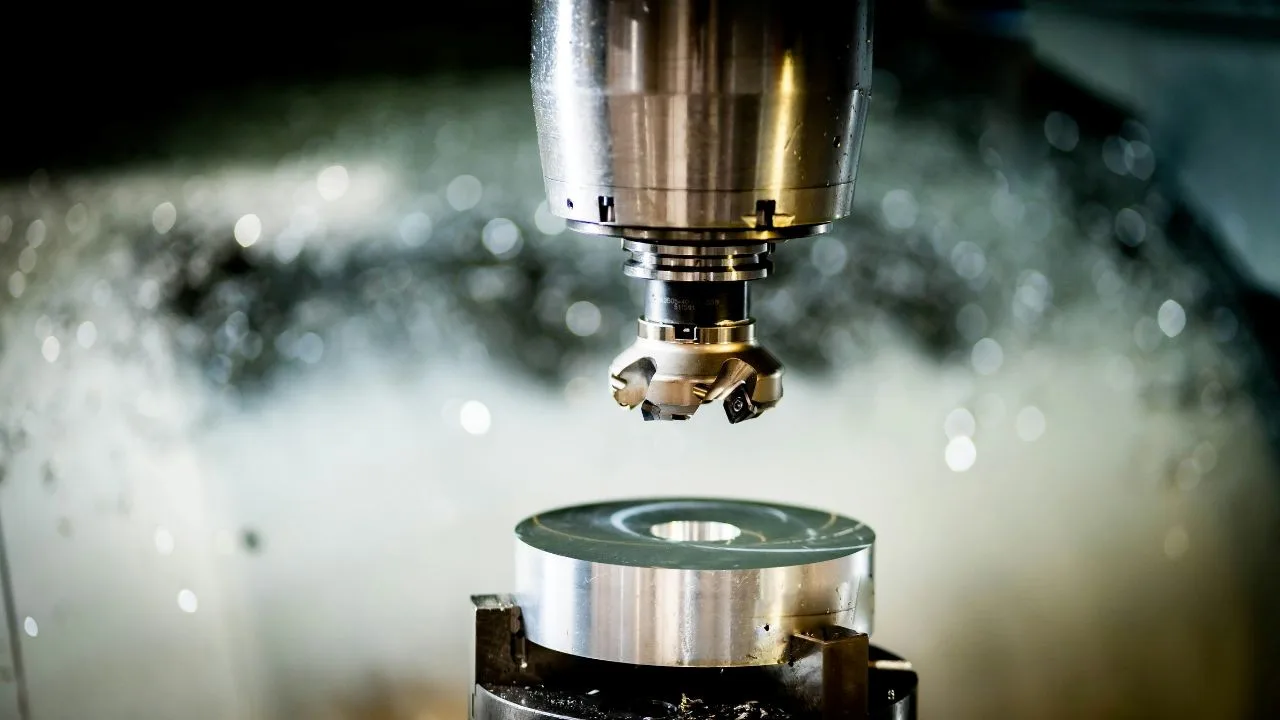
From the aircraft overhead to the medical devices transforming patient care, a single material is quietly enabling the most critical advances of our time: titanium. Its unique combination of exceptional strength-to-weight ratio, inherent corrosion resistance, and complete biocompatibility makes it indispensable for industries where failure is not an option. Yet, harnessing these properties has always been the domain of specialists. As global supply chains evolve and demand for complex, high-performance components intensifies, the advanced manufacturing techniques required to master titanium are becoming a focal point for engineers, procurement leaders, and economic analysts alike.
The Strategic Imperative of Advanced Materials
The global push for efficiency and sustainability is rewriting the rules for manufacturers. In aerospace, every kilogram saved through lighter components translates directly into reduced fuel consumption and lower emissions. In medicine, the shift toward minimally invasive procedures demands ever-smaller, more intricate instruments and implants that the human body will accept without rejection. The energy sector requires components that can withstand extreme pressures and corrosive environments for decades.
These converging trends place titanium—particularly grades like the ubiquitous Ti-6Al-4V—at the center of modern industrial strategy. However, the very qualities that make titanium invaluable also make it exceptionally difficult to machine. Its low thermal conductivity means heat generated during cutting concentrates at the tool tip, accelerating wear. Its strength requires rigid setups to prevent deflection. Its tendency to work-harden can ruin both tools and parts if parameters are not precisely controlled.
This is where specialised manufacturing expertise becomes a strategic asset. The ability to reliably produce complex titanium components with micron-level tolerances is not a commodity service; it is a competitive advantage that separates industry leaders from the rest.
The Swiss Machining Advantage for Complex Geometries
For small to medium-sized titanium parts—the pins, shafts, fasteners, and housings that populate critical assemblies—conventional machining approaches often fall short. The answer lies in a technology with roots in 19th-century Swiss watchmaking, now evolved into highly sophisticated CNC systems.
Swiss-type lathes support the workpiece with a guide bushing positioned immediately adjacent to the cutting tool. This architecture eliminates the deflection that plagues conventional machining when working with slender components or tough materials. For titanium, this rigidity is transformative. It allows for consistent attainment of tolerances down to ±0.005 mm, even on parts with high length-to-diameter ratios.
Moreover, modern Swiss machines integrate live tooling and secondary spindles, enabling complete machining of complex geometries in a single setup. This eliminates multiple handling steps, reduces cycle times, and—critically for expensive titanium stock—minimizes the risk of scrapping a partially completed component. Companies like Falcon CNC Swiss have built their operational model around this technology, combining advanced equipment with decades of accumulated knowledge about how titanium behaves under cutting forces.
Mastering the Metallurgy: From Grade Selection to Finished Part
Success in titanium machining begins long before the first chip is cut. It starts with understanding the nuances of material grades. Commercially pure titanium offers corrosion resistance and formability for applications like chemical processing equipment. The workhorse Ti-6Al-4V (Grade 5) provides an ideal balance of strength and weight for aerospace and high-performance automotive use. For medical implants, the extra-low interstitial (ELI) version, Grade 23, delivers the fracture toughness and fatigue life that implantable devices demand.
Each grade requires tailored strategies. Cutting tools must feature sharp edges, positive rake angles, and often specialized coatings to manage heat and prevent galling. Speeds and feeds must be carefully balanced—too slow and the tool rubs, inducing work hardening; too fast and heat builds catastrophically. High-pressure coolant systems, operating at 1,000 psi or more, are essential to evacuate heat and clear chips from the cutting zone.
The most experienced machine shops develop proprietary knowledge around these variables. They understand that chip formation is not merely waste but a diagnostic tool—the shape and color of a chip reveal whether parameters are optimized. They implement in-process probing to verify critical dimensions before operations complete, preventing expensive rework. This level of discipline is what defines precision work with challenging materials, transforming raw titanium stock into components that meet the stringent requirements of aerospace and medical regulators.
Implications for Global Procurement and Supply Chain Strategy
For international buyers and engineering teams, the choice of manufacturing partner for titanium components carries strategic weight. The transactional model of sourcing from the lowest bidder is ill-suited to work where material costs are high, tolerances are tight, and the consequences of failure are severe.
Instead, leading organizations seek partners who demonstrate:
- Deep material experience: Not just machine capability, but documented history with specific titanium grades and applications.
- Robust quality infrastructure: ISO certifications, full material traceability, in-process inspection, and comprehensive reporting.
- Design collaboration: The ability to review designs early, suggesting modifications that improve manufacturability without compromising function.
- Scalable capacity: Facilities equipped to handle both prototype development and high-volume production with consistent quality.
This shift toward strategic technical partnerships reflects a broader recognition: in advanced manufacturing, capability matters more than location. Whether a machine shop operates in China, Europe, or North America, the determining factors are its engineering depth, process discipline, and proven reliability.
Looking Ahead: Titanium and the Future of High-Performance Manufacturing
As industries continue to push boundaries—developing electric aircraft, next-generation medical devices, and more efficient energy systems—the demand for precision titanium components will only grow. So too will the complexity of those components, as designers learn to exploit the full potential of both material and machining technology.
For companies positioning themselves at this intersection of material science and precision engineering, the opportunity is substantial. Those who invest in understanding the intricacies of titanium, who build the systems to produce it reliably at scale, and who partner with customers as true collaborators will define the manufacturing landscape of the coming decades.
In this environment, the ability to consistently deliver components machined from demanding alloys is not merely a technical capability—it is a strategic asset, one that will determine which companies lead and which follow in the next industrial revolution.