Top Functional Wellness Brands Shaping the Supplement Industry in 2026
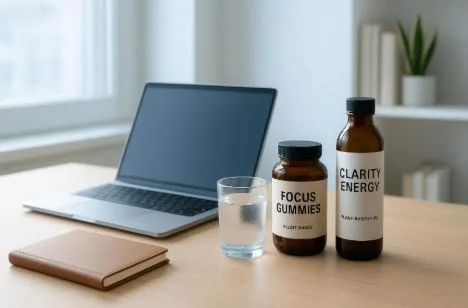
In 2026, functional wellness is less about quick trends and more about a steady, joined-up way to support everyday health. The functional wellness brands leading the supplement industry are the ones that mix modern science with a clear view of how people actually live. They make products that work, taste good, and fit smoothly into daily routines.
This year feels like a turning point: wellness goes beyond “taking supplements” and becomes a bigger focus on physical health, mental health, and emotional balance. Brands are moving fast, leaving behind basic, one-size-fits-all products and putting out focused solutions that match what people care about now-long-term health and practical results.
For example, your day might start with a functional drink for steady energy, and your afternoon boost might come from Circle Organics gummies for focus, which fits easily into a packed schedule.
The dietary supplement market-worth $192 billion in 2024 and expected to climb past $454 billion by 2034-is being reshaped by companies thinking ahead. They are reacting to a time when more people are dealing with chronic health issues and busy lifestyles that leave little room for complicated routines.
The strongest brands are not just selling ingredients. They are selling simple ways to support health, so people can improve the basics and handle modern life with more energy and strength.
What Defines a Functional Wellness Brand in 2026?
Key Qualities of Leading Functional Supplement Companies
In 2026, a true leader in functional supplements goes well beyond the old idea of standard multivitamins. These brands stand out because they focus on specific results. They use ingredients backed by clinical research, so the product is more than a nice claim-it is made to show real benefits. That means spending a lot on research, often working with specialists to check that products are effective and safe.
Strong branding and premium formulas also matter a lot. It’s about building a brand people trust and relate to, and creating an experience that feels high quality from start to finish. New delivery styles-like soft chews or functional drinks-help people stick with daily use and make supplements feel more like a treat than a task. Clear honesty is also expected. Brands share details about sourcing, how products are made, and ingredient quality, which builds real trust over time.
Consumer Expectations Driving Industry Innovation
What people want is pushing the industry forward. Consumers are better informed than ever, and more than half of people worldwide take an active approach to healthy living. Many want “pleasure with purpose”-products that offer a clear benefit and also taste good. Flavor and texture now matter almost as much as the ingredients, because people want supplements that feel normal in their day, not like something medical.
There is also more focus on “improving the basics,” where people want simple upgrades to energy, sleep, eating habits, and hydration without changing their whole life. Mental and physical wellbeing are now seen as closely linked, and many people (more than 1 in 3) say mental wellbeing is a top concern. This pushes brands to create products that support more than one need at a time, instead of targeting only one small issue.
How Functional Wellness Brands Are Shaping the Supplement Industry in 2026
Role of Science-Backed Ingredients and Transparency
The core of a trusted functional wellness brand in 2026 is its focus on ingredients backed by science and clear, open communication. People are more cautious now, especially with so much information-and wrong information-online. Brands are answering this by using ingredients that have been studied in clinical research, so their claims are based on evidence, not hype. This includes bioactive ingredients such as lactoferrin, collagen, curcumin, and carotenoids, which can support body functions at a cellular level, from immune health to heart health.
Transparency goes beyond whether an ingredient works. It includes clean labels, responsible sourcing, and being open about how products are made. Brands that explain the science in a simple way tend to earn more trust. Many share where ingredients come from, how they are processed, and results from third-party testing for purity and strength-especially for ingredients like shilajit, which is popular online but needs strict quality checks to avoid contamination.
The Rise of Personalized Nutrition and Tailored Solutions
Personalized nutrition is now common in 2026, driven by people who want more control over their health and better tools to guide them. Many are no longer happy with one product meant for everyone. They want supplements matched to their age, gender, lifestyle, goals, and sometimes even their microbiome. This growth is supported by tools like AI wellness advice, at-home tests, and wearables that track sleep, stress, and activity, which helps people take a more active role in their health.
Brands use these tools to offer more personal supplement plans, often through subscriptions that appeal to millennials and Gen Z who expect digital-first, individual experiences. This does not always mean every product is made from scratch for one person.
Often, it means flexible bundles, add-ons, and quiz-based suggestions that guide people to the best fit. This approach supports specific needs, from women’s health across life stages to focused performance blends, making wellness feel more personal and more useful.
Expansion into Daily Routine and Lifestyle Integration
One big change in 2026 is how supplements are being built to fit into daily habits. “Pill fatigue” is real-70% of consumers say they are tired of taking lots of capsules-and this is pushing brands to create easier formats. More companies are asking: “What form makes this simplest to use every day?” The result is a rise in multi-benefit products that are easy to understand and easy to keep using.
Gummies are still popular because they are convenient and taste good, especially for mood support, beauty-from-within, and general wellness. Soft chews are also growing fast, offering a more adult, candy-like option and allowing more flexibility for higher ingredient amounts.
Another major change is functional hot drinks. Coffee, tea, and hot cocoa are now used to deliver supplement benefits. For example, you might have mushroom coffee for stress support in the morning, or cocoa with magnesium and L-theanine at night as part of a relaxing routine. These formats match what people already do, making daily supplement use feel simple and enjoyable-whether it’s matcha + focus powder or a tea blend for gut support.
Emerging Trends Among Top Functional Wellness Brands
Growth of Gut Health, Mood, and Cognitive Support Supplements
People are learning more about how the body’s systems connect, and that is driving demand for products that support gut health, mood, and brain function together. Gut health now goes far beyond basic probiotics. More consumers understand the microbiome affects immunity, digestion, mood, and metabolism. Products now include prebiotics, postbiotics, and synbiotics, often with specific strains or multi-ingredient formulas. Interest in the gut-brain link is also growing, connecting digestion to mental clarity and emotional balance.
Mood support is also changing into a “foundation health” idea, tied closely to sleep, hydration, and day-to-day strength. Instead of broad “anti-stress” products, brands are making items for clear moments, like daytime calm-focus gummies or evening relaxation powders. Cognitive health is also a daily priority for many age groups. Nootropics and adaptogens like lion’s mane and ashwagandha are popular for focus, memory, and stress support. Formulas are getting more advanced, often mixing ingredients for multi-benefit support that fits modern life demands.
Longevity and Healthy Aging as Market Drivers
Longevity is no longer only for a small group of biohackers. In 2026, it is a mainstream goal across age groups. The focus has moved from simply living longer to living well for longer-often called “healthspan.” People want to keep strength, movement, clear thinking, and energy as they age. This has helped make healthy aging the fastest-growing condition-based supplement category in the U.S., and about three out of four consumers worldwide say it is very or extremely important.
Younger adults often look for preventive support for fitness and mindset. Gen X and Boomers often focus on staying sharp and physically capable. Brands are turning vague anti-aging claims into simple, everyday benefits like “daily vitality,” “beauty-from-within,” and “aging well for active adults.” Popular ingredients include NAD+ pathway support, antioxidants, mitochondrial support compounds, and blends for cellular support, collagen, and joint health-all aimed at helping people feel better for longer.
Innovative Delivery Formats: Beyond Gummies and Capsules
As people prioritize ease, enjoyment, and sticking with a routine, supplement formats are changing quickly. Gummies are still popular for their familiar taste and simple use, especially for mood and beauty-from-within products. But worries about sugar and limits on how much of an active ingredient can fit inside a gummy are pushing brands to offer more options. Soft chews are gaining ground, with sales up 41% in 2024, giving a more premium feel and allowing more flexibility in ingredient amounts, while also helping reduce pill fatigue.
A major shift is using functional drinks to fit supplements into daily habits. Coffee, tea, and hot cocoa are now built as “benefit delivery” formats. A matcha + focus powder can fit into a morning habit. A gut support tea can be a daily afternoon routine. An evening cocoa with magnesium and L-theanine can become a calming nightly step. These formats make it easier to start and keep using a product. Powder sticks and fizzy tablets are also popular for hydration, protein, and nootropics, since they are easy to carry and often taste better. Brands are learning that the format is part of the product message, not just a production detail.
Sustainable Practices and Clean Label Demands
In 2026, people expect transparency to include sustainability and clean labels. With more uncertainty in the wider world, ethics and openness help build trust. Consumers are paying close attention to food dyes, sugar levels, and ingredient lists, which is pushing many brands to change formulas. People want products that support their body and also reflect care for the planet.
Clean labels-made with familiar, simple ingredients and fewer artificial additives-are no longer a niche choice. They are a normal expectation. Brands that use responsible sourcing, lower-impact production, and clear supply chain communication often stand out. This focus on responsibility connects with consumers who want their purchases to match their values. Plant-based proteins, for example, are growing because of both diet preferences and sustainability concerns.
Influence of Tech-Driven and Precision Wellness Approaches
Technology is changing how people choose supplements and think about nutrition. Wearables, continuous glucose monitors (CGMs), and apps help people track sleep, stress, activity, and eating patterns in detail. This creates strong demand for more personal nutrition choices, because people want products that match their real data and current needs.
AI is also having a clear impact. About 40% of consumers are open to AI-based wellness suggestions, and 34% already use AI while shopping for wellness products. This includes AI quizzes and “build-your-own” supplement options that make choices easier. At-home microbiome tests, nutrigenomics kits, and biomarker panels also help guide more specific product picks. With these tools, wellness becomes less generic and more personal, and brands act more like guides than simple sellers.
Top Functional Supplement Categories Leading Industry Growth
Mental Wellness and Adaptogenic Supplements
Mental wellness is still a major category, but it now covers more than basic “stress support.” Many people now see mood as a foundation that connects to sleep, brain health, hydration, and gut health. Adaptogens like ashwagandha, reishi, and ginseng are popular for helping the body handle stress and support day-to-day strength. Nootropics like L-theanine and citicoline are growing in popularity for focus, memory, and brain performance, especially as work and life feel more demanding.
Brands are putting out more advanced blends, such as magnesium + L-theanine for calm focus during the day, or mood + sleep blends in evening powders. Format matters here too: gummies and functional drinks (like calming teas or nighttime cocoa) make mental wellbeing products easier to use consistently. This growth links to a wider shift where stress, anxiety, and sleep problems are seen as common, and more people want natural ways to support emotional and mental balance.
Active Nutrition and Performance Blends
Active nutrition is no longer only for athletes in 2026. It has become a mainstream health category. Instead of strong pre-workouts, the focus is now “everyday performance nutrition” for people who want clean energy, better circulation, faster recovery, focus, and steady vitality. This matches a growing fitness culture where everyday people want to feel strong and capable for daily life, not only for workouts.
Ingredients like green tea caffeine, water-soluble ginseng, and beet root blends are popular, often sold as gummies, powders, or functional drinks. Matcha stands out as a bridge between performance and focus, and it is growing fast in brain-health formulas. Many products aim for steady energy without heavy stimulants, which appeals to a broader group, including people focused on weight control and healthy aging.
Women’s Health, Longevity, and Beauty-From-Within
Women’s health is growing quickly, as more brands finally address needs that were often ignored in the past. It is one of the fastest-growing categories in vitamins, minerals, and supplements, driven by demand for menstrual support, fertility, prenatal and postnatal care, hormone balance, bone health, and support for perimenopause and menopause. “Femtech” is speeding this up by mixing digital health tools with supplement plans, often in subscription models.
Beauty-from-within is also expanding, with people treating skin hydration, hair growth, and nail strength as part of a regular wellness routine. Collagen, antioxidants, and hydration products are key, often using K-beauty and Japanese wellness ideas that highlight daily routines and sensory quality. These products go beyond surface-level claims, using ingredients with research behind them, such as phytoestrogens, black cohosh, ashwagandha, magnesium, calcium, and iron, built around women’s needs across different life stages.
Hydration, Metabolic Health, and Weight Management
Hydration is now more than “drink more water.” It has become a functional category aimed at supporting daily health. As active lifestyles and wellness tracking grow, people pay more attention to electrolytes and hydration’s role in energy, focus, and even skin health. This has driven growth in sugar-free electrolyte powders, trace mineral blends, and functional hydration drinks, often sold in easy stick packs.
One of the biggest changes is how weight management is now talked about as “metabolic health,” especially in the GLP-1 era. Weight-loss drugs like Ozempic have increased demand for support products that help with side effects like low energy, nutrient gaps, and muscle loss. Supplements for fullness support, digestive comfort, fiber-focused wellness, and metabolic balance are rising. Many include more protein and fiber to help people get more nutrition even if they are eating less.
Brands are building products around what GLP-1 users care about, like reducing nausea, boosting hydration, staying full longer, and supporting lean muscle-moving away from old-style “fat burner” products and into wider metabolic support.
Leading Brands Shaping the Functional Supplement Industry in 2026
Brand Profiles: Pioneers and Market Leaders
In 2026, the brands shaping functional supplements are the ones that combine scientific honesty, consumer-first design, and smart product development. These leaders are not always the biggest companies, but they are often the ones pushing new ideas.
They understand what people need and turn nutrition science into products that are easy to use, effective, and enjoyable. Some brands lead in personalized nutrition, using AI-based suggestions or mix-and-match product lines that help people build a routine that fits. Others focus on lifestyle fit, making supplements that slide into morning habits, workout plans, or evening routines.
Many leaders spend heavily on research and product testing so formulas are modern, stable, good tasting, and realistic to produce at larger volumes. They also bring new formats to market, such as advanced soft chews that hold more active ingredients, or functional hot drinks that turn a daily habit into a wellness moment. Their success comes from spotting where consumer demand is going-like mental wellness, healthy aging, or GLP-1 support-and building products that feel new while still being trustworthy.
Key Differentiators Between Top Brands
So what separates the best functional wellness brands from the rest?
- Quality and trustworthy sourcing: Leading brands use pure, standardized ingredients and third-party testing, especially for fast-trending ingredients like shilajit that can carry contamination risks if handled poorly.
- Clear, specific benefit messages: They explain exactly what a product does and when to use it. A “calm-focus gummy” with magnesium and L-theanine is easier to understand than a vague “stress relief” capsule.
- Better taste and texture: As supplements become more like food, flavor, mouthfeel, and texture matter for repeat use.
- Ability to produce consistently at scale: Strong brands turn trends into products that can be made reliably without lowering quality or changing the claims.
Brand Case Studies: Success Stories in Product Innovation
Even without naming every brand, we can look at clear examples of what’s working in 2026. One example is the rise of prebiotic sodas, shown by brands like Poppi. Their win is not only the fiber-it’s that they offer gut support in a drink that feels familiar, enjoyable, and easy to grab. It matches the “pleasure with purpose” idea and makes wellness feel approachable.
Another winning format is the nighttime cocoa drink that mixes adaptogens with magnesium, L-theanine, GABA, reishi, and prebiotic fibers. It’s marketed less like a strong sleep product and more like a comforting evening habit, using a normal behavior (a warm drink at night) to deliver calm and sleep support.
The growth of matcha-based products for calm energy and focus shows a similar idea: take a known ritual and add a clear benefit, whether it’s a powder for a latte or a ready-to-drink option. These examples show what successful brands do well: they build around real habits, create products people enjoy using, and explain benefits in simple, relatable terms.
Consumer Questions About Functional Wellness Brands in 2026
Should You Choose Personalized Supplements Over Traditional Products?
Choosing personalized or traditional supplements in 2026 depends on what you need and how involved you want to be in your health routine. Personalized options-often using AI, quizzes, or at-home testing-can help by making choices clearer in a crowded market. They can focus on your exact needs (age, gender, lifestyle, goals) and may feel more effective because the plan is built around you. If you want more control and clearer direction, personalized supplements can be a good fit.
That said, personalization does not always mean custom-made pills. Many brands do this through smart bundles, add-ons, or guided picks from a smaller product range. Traditional, well-made supplements still matter for basic needs like immune support or general energy. The main point is whether personalization truly makes your routine easier or more effective, or whether a high-quality targeted product from a trusted brand is enough. The goal is results you can stick with, not personalization just for the label.
Which Delivery Formats Are Most Effective and Popular?
In 2026, the best delivery formats are the ones people can use consistently—and enjoy using. Capsules are still common, especially when a formula needs a higher amount of active ingredients. But many consumers now prefer more user-friendly formats. Gummies remain popular because they taste good and feel familiar, making them a strong fit for mood support, beauty-from-within, and general wellness. Still, sugar and limited space for ingredients can be a downside.
Soft chews are growing fast as a more premium alternative, with a more adult candy feel and more flexibility for ingredient amounts. Powders also work well, especially when they match daily habits, like a matcha drink in the morning or cocoa at night. Stick packs for hydration and energy are also popular because they are easy to carry and use.
That same logic shows up in how brands build their ranges: Circle Organics, for example, keeps everything in gummy form but splits it by need, from mushroom and magnesium blends to electrolytes. The “best” format often depends on the ingredients and what kind of experience you want, but in general, formats that reduce pill fatigue and taste good tend to win.
How Do You Identify Trusted and Transparent Brands?
Finding trusted functional wellness brands in 2026 takes a bit of careful checking, because there are many options. Start with claims backed by science. A strong brand can point to real research (ideally clinical studies) behind its ingredients and formulas. Be careful with brands that promise dramatic results without proof.
Next, check sourcing and production. Trustworthy brands are open about where ingredients come from and how they are made. Look for third-party testing for purity and strength, and checks for contaminants (such as heavy metals in ingredients like shilajit). Certifications and quality seals can also help. Finally, strong brands explain things clearly, using simple language, and offer helpful support. A brand that is open and easy to understand is usually a safer bet than one built only on social media hype.
Which Ingredients Are Gaining Attention in 2026?
Several ingredients are getting a lot of attention in 2026 as people look for focused benefits.
| Goal area | Ingredients people are watching | Why they’re popular |
| Mood + focus | Magnesium, L-theanine | Often paired for calm focus and daily stress support |
| Adaptogen support | Ashwagandha, reishi | Used for stress support and day-to-day resilience |
| Cognitive support | Lion’s mane | Popular for focus and memory support |
| Clean energy | Matcha, green tea caffeine | Supports steady energy and focus without heavy stimulants |
| Gut + metabolic health | Prebiotic fiber, postbiotics, synbiotics | Linked to digestion, fullness support, and GLP-1-related needs |
| Healthy aging | NAD+ support, antioxidants, mitochondrial support compounds, collagen | Supports vitality, skin, joints, and “aging well” goals |
| Hydration | Electrolytes | Supports active lifestyles, energy, and recovery |
Shilajit also still has strong momentum for energy and male vitality, but quality and sourcing matter a lot because poor-quality supply can carry safety risks.
Looking Ahead: Key Takeaways for Brands and Consumers
Opportunities and Challenges for New Entrants
For new brands entering functional wellness in 2026, there are big opportunities-and real hurdles. The opportunity is clear: more people want proactive health support and products that feel personal and practical. Brands that can turn nutrition science into simple, clear messages and build products around daily habits can grow quickly. There is strong demand for products that match real routines, taste great, and offer clear benefits, like mood + sleep blends or fiber + fullness support.
The challenges are just as real. The market is crowded, so new brands must stand out with something different that people will keep using-not just something that goes viral for a week. Brands also need products they can make consistently at larger volumes. Quality, trustworthy sourcing, and legal, honest claims are must-haves; if a brand fails here, trust can disappear fast. The strongest approach is to build around real life: easy-to-explain products that solve common needs and still feel different from what’s already out there.
Implications for Long-Term Health and Wellbeing
The changes in functional wellness in 2026 affect long-term health in a big way. Products that offer more than one benefit and fit into normal routines can support a more balanced and realistic approach to health. More people now use supplements as part of daily self-care, not as quick fixes. With more focus on the basics-energy, sleep, hydration, and mental clarity-many consumers can see steady improvements in how they feel day to day.
At the same time, higher demand for transparency, research-backed ingredients, and more personal solutions is pushing the industry to improve quality and standards. As wellness becomes easier to use, more enjoyable, and more personal, functional brands are helping make long-term vitality feel more reachable for more people-so what we consume supports how we feel and function every day.
Adapting to Rapidly Changing Consumer Priorities
In a fast-moving market, the brands that succeed are the ones that can adjust quickly as consumer needs shift. This market changes based on new research, social media, health events, and even economic pressure. Brands must keep checking whether their products still match what people want now: convenience, real results, enjoyable use, and responsible production.
This means focusing on how products fit into daily routines and wider wellness systems, not just on individual ingredients. The demand for great taste and texture comes from consumers wanting products they actually like. The shift to “metabolic health” in the GLP-1 era shows how categories must be renamed and rebuilt to stay relevant. Strong brands will keep improving formats too-like soft chews and functional hot drinks-so products work well and also fit modern life. Over time, the brands that last will be those with formulas that are easy to understand, match daily habits, and stand out clearly in a crowded market.