Top Therapy Options for Back Pain: From Natural Pain Relief to Non-Surgical Pain Treatment
Back pain is one of the most common health complaints worldwide, affecting people of all ages and lifestyles. Whether caused by poor posture, injury, muscle strain, herniated discs, or chronic conditions, persistent back pain can significantly reduce quality of life. The good news is that surgery is not always necessary. Today, a wide range of therapy options for back pain provide safe, reliable, and long-term relief.
In this comprehensive guide, we’ll explore proven strategies ranging from natural pain relief therapy to advanced non-surgical pain treatment approaches. We’ll also explain how combining these methods leads to a truly effective treatment for chronic pain through integrated and holistic pain management solutions.
Understanding Back Pain and Chronic Discomfort
Back pain can be acute (short-term) or chronic (lasting more than three months). Chronic pain often develops due to:
- Muscle imbalances
- Degenerative disc conditions
- Nerve compression
- Poor ergonomics
- Sedentary lifestyle habits
According to the World Health Organization, musculoskeletal disorders are among the leading causes of disability globally. This makes finding sustainable and safe treatment options a top priority for millions of individuals.
Why Choose Non-Surgical Pain Treatment?
Surgery may be necessary in severe cases, but it is often considered a last resort. Many individuals prefer non-surgical pain treatment because it:
- Minimizes health risks
- Requires little to no recovery time
- Is more affordable
- Focuses on long-term rehabilitation
- Avoids dependency on strong medications
Non-invasive treatments address the root cause of pain rather than simply masking symptoms. For many people, combining multiple therapies provides the most effective treatment for chronic pain.
Physical Therapy: The Foundation of Back Pain Relief
Among all therapy options for back pain, physical therapy remains one of the most trusted and research-supported solutions.
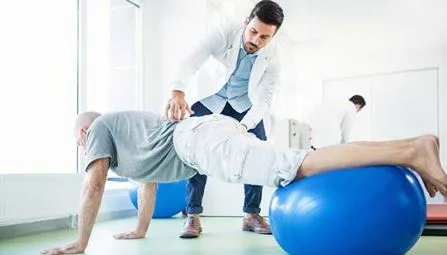
A licensed physical therapist evaluates posture, muscle strength, flexibility, and movement patterns to design a customized exercise program. These programs aim to:
- Strengthen core muscles
- Improve spinal stability
- Increase flexibility
- Reduce inflammation
- Prevent recurrence
Consistent physical therapy sessions are often central to holistic pain management, helping patients regain mobility naturally.
Chiropractic Care and Spinal Alignment
Chiropractic adjustments focus on correcting spinal misalignments that may compress nerves or restrict movement. Misalignment can lead to persistent lower back or neck pain.
The American Chiropractic Association notes that millions seek chiropractic care annually for back-related issues. Gentle spinal manipulation can relieve pressure, improve posture, and enhance mobility.
For many patients, chiropractic care is a valuable part of natural pain relief therapy.
Acupuncture: Stimulating Natural Healing
Acupuncture, rooted in traditional Chinese medicine, involves inserting thin needles into specific points on the body to stimulate healing. Research supported by the National Institutes of Health suggests acupuncture can help relieve chronic back pain by promoting endorphin release and reducing inflammation.
This approach fits perfectly within holistic pain management, as it treats both physical discomfort and energy balance within the body.
Massage Therapy for Muscle Tension Relief
Chronic back pain often involves tight or overworked muscles. Therapeutic massage improves circulation, relaxes tense muscles, and reduces stress.
Benefits of massage include:
- Improved blood flow
- Reduced muscle stiffness
- Enhanced relaxation
- Decreased stress-related pain
Massage therapy is widely recognized as a powerful natural pain relief therapy, especially when combined with exercise-based rehabilitation.
Exercise and Movement-Based Therapy
Regular, guided exercise is one of the most effective long-term solutions for back pain. Movement increases blood flow to damaged tissues and strengthens muscles that support the spine.
Recommended exercises include:
- Core stabilization routines
- Stretching programs
- Low-impact aerobic activities
- Yoga and Pilates
Yoga, in particular, combines flexibility, strength, and mindfulness, making it an ideal tool for holistic pain management.
Spinal Decompression Therapy
Spinal decompression is a non-invasive technique designed to gently stretch the spine, reducing pressure on discs and nerves. This method is especially helpful for individuals with herniated discs or sciatica.
As a non-surgical pain treatment, spinal decompression can relieve nerve pressure without invasive procedures, making it an attractive alternative to surgery.
Heat and Cold Therapy
Simple yet effective, alternating heat and cold therapy can significantly reduce inflammation and muscle tension.
- Cold therapy reduces swelling and numbs sharp pain.
- Heat therapy relaxes muscles and improves blood flow.
When used consistently, these methods enhance the effectiveness of broader natural pain relief therapy plans.
Mind-Body Therapies and Stress Reduction
Chronic pain affects both the body and mind. Stress, anxiety, and depression can intensify pain signals. Mind-body therapies such as:
- Meditation
- Deep breathing exercises
- Cognitive behavioral therapy (CBT)
- Guided relaxation
help retrain the brain’s response to pain.
Integrating psychological support into physical treatment plans creates a truly effective treatment for chronic pain, addressing both physical and emotional triggers.
Nutrition and Anti-Inflammatory Diets
Inflammation plays a major role in back pain and other chronic conditions. An anti-inflammatory diet can support recovery and enhance non-surgical pain treatment outcomes.
Focus on:
- Omega-3-rich fish
- Leafy green vegetables
- Berries
- Nuts and seeds
- Turmeric and ginger
Reducing processed foods and excess sugar can further improve pain management results.
Lifestyle Modifications for Long-Term Success
Small daily habits can significantly influence back health. Effective therapy options for back pain often include:
- Maintaining a healthy weight
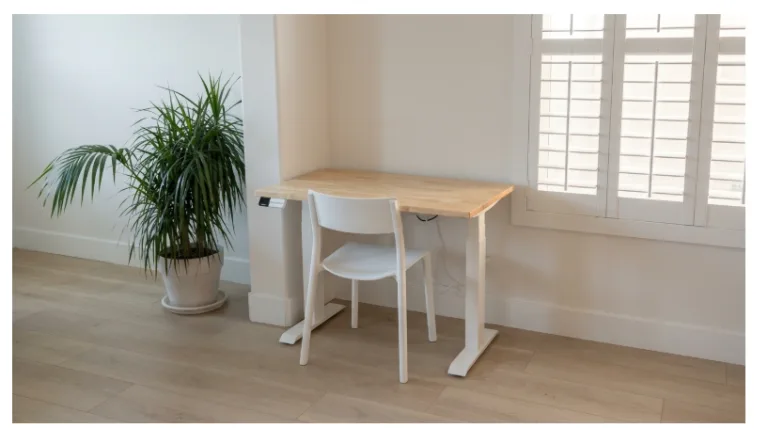
- Using ergonomic chairs and desks
- Practicing proper lifting techniques
- Staying physically active
- Prioritizing quality sleep
These adjustments strengthen the foundation of holistic pain management and prevent recurrence.
Creating a Personalized Treatment Plan
The most successful outcomes come from combining therapies. A personalized care plan may include:
- Physical therapy
- Chiropractic care
- Acupuncture
- Massage therapy
- Exercise routines
- Nutritional adjustments
- Stress management
This integrated approach ensures a comprehensive and effective treatment for chronic pain tailored to individual needs.
When to Seek Professional Help
If back pain:
- Persists beyond three months
- Causes numbness or tingling
- Interferes with daily activities
- Worsens over time
Professional evaluation is essential. Early intervention increases the likelihood of successful non-surgical pain treatment and prevents long-term complications.
The Future of Back Pain Care
Healthcare providers increasingly emphasize conservative care before considering surgery. Advances in rehabilitation techniques, regenerative therapies, and integrative medicine continue to expand safe and effective options.
As awareness grows, more individuals are choosing natural pain relief therapy and comprehensive holistic pain management over invasive procedures.
Conclusion
Back pain can be debilitating, but surgery is not always the answer. With today’s wide range of therapy options for back pain, individuals have access to safe, proven, and sustainable solutions.
From physical therapy and chiropractic care to acupuncture, massage, and lifestyle changes, combining treatments often delivers the most effective treatment for chronic pain. Embracing natural pain relief therapy and structured non-surgical pain treatment plans empowers patients to regain mobility, reduce discomfort, and improve overall well-being.
If you’re struggling with persistent back pain, exploring these non-invasive options may be the first step toward long-term relief and a healthier, more active life.