Top Trends in U.S. Supply Chain Innovation for 2026
In an era marked by disruption and rapid technological change, supply chains are no longer background mechanisms of global commerce, they are strategic assets that can make or break competitiveness for U.S. businesses. As companies reassess how goods are sourced, produced, and delivered, platforms and networks that help link suppliers, logistics, and data insights are gaining prominence. Supply Link USA has emerged as one such connective ecosystem where U.S. manufacturers and logistics partners can optimize sourcing decisions, improve visibility, and strengthen resilience in an increasingly complex landscape. Against this backdrop of innovation and adaptation, several major trends are poised to shape supply chain strategies, operations, and technologies across the United States throughout 2026.
AI That Drives Decisions Rather Than Just Data
Artificial intelligence is by now familiar in supply chain circles for forecasting and automation, but in 2026 its role is evolving from a supportive tool to an operational backbone. Rather than acting as a mere feature within planning software, AI is becoming embedded into real-time decision workflows that bridge procurement, warehousing, transportation, and risk management. This shift reflects broader industry research, which highlights how AI can be woven into end-to-end operations rather than acting as an auxiliary add-on, enhancing everything from predictive analytics to dynamic routing and backlog management.
In practical terms, this means AI will increasingly help companies automate responses to disruptions, optimize inventory in real time, and provide supply chain teams with actionable insights that once required hours of manual analysis. This transition toward AI as an operational layer will not replace human expertise, but it will elevate it by removing routine cognitive load and allowing professionals to focus on strategic decisions rather than repetitive tasks.
Autonomous and Resilient Networks
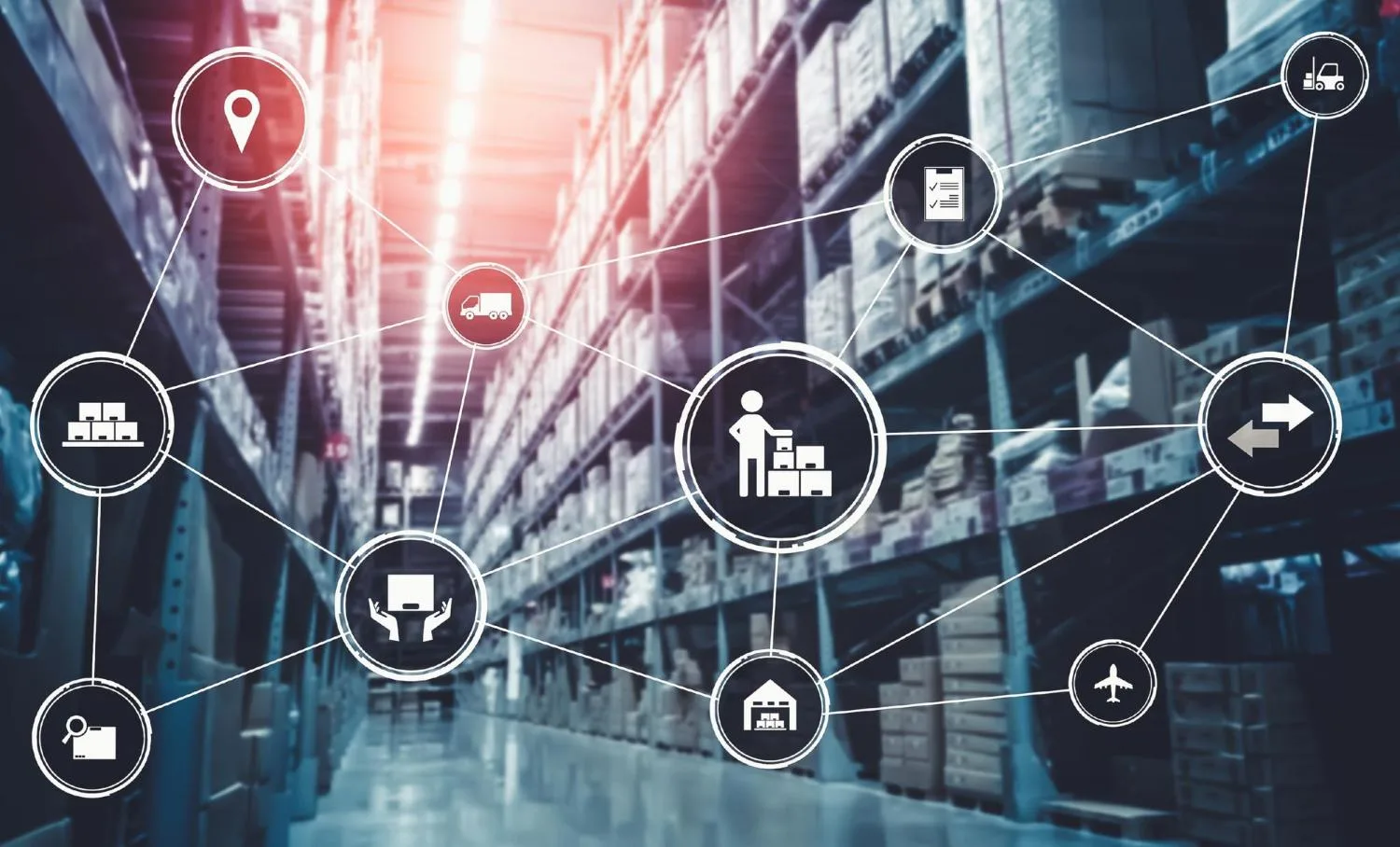
Closely tied to advanced AI is the trend toward autonomous supply chain networks. These involve interconnected systems that use machine learning and graph-based reasoning to model supplier linkages, production capacity, logistics corridors, and risk factors in ways that mirror real-world complexity. Far from static planning, autonomous networks adapt in real time, rerouting orders around delays, adjusting production schedules based on component shortages, and correlating external events like weather or geopolitical shifts into operational adjustments.
A related dimension is resilience. The global supply chain shocks of recent years, from pandemic disruptions to trade policy volatility and transport bottlenecks, have underscored the imperative for systems that not only respond quickly to problems but anticipate them. In 2026, resilient networks will increasingly be defined by their ability to absorb shocks without long periods of interruption.
Digital Twins and Enhanced Visibility
Another rising trend for 2026 is the adoption of digital twin technology, virtual replicas of physical supply chains that allow companies to simulate scenarios, evaluate tradeoffs, and predict outcomes with remarkable speed. With detailed models at their disposal, planners can test “what if” scenarios such as sudden demand spikes, supplier disruptions, or transportation delays without risking real-world consequences.
Digital twins integrate data from IoT sensors, warehouse systems, transport logs, and external factors such as tariffs or weather patterns, giving companies a holistic view of their supply ecosystems. Enhanced visibility helps reduce inefficiencies, improve sustainability outcomes, and inform executive decision-making with insights grounded in near real-time information, a powerful edge in a market where agility can translate directly into market share.
Sustainability and Transparency as Strategic Imperatives
Environmental, social, and governance (ESG) considerations are no longer side projects; they have become core to how supply chains are evaluated by regulators, consumers, and investors alike. In 2026, sustainability trends will move beyond internal policies to measurable impact, such as Scope 3 emissions tracking, supplier compliance ratings, and lifecycle accountability for products.
Technology plays a key role here as well. Tools like blockchain and digital traceability platforms are helping companies verify sustainable practices across disparate partners, providing transparency that was once prohibitively difficult to achieve. It’s no longer enough to tell customers that a product is sustainable; companies are increasingly expected to prove it with data.
Cybersecurity and Risk Governance
As supply chains become more integrated and digitized, they also become more exposed to cyber risk. Data flows between partners, cloud-based planning systems, and IoT-enabled logistics networks all present potential gateways for cyber threats. In response, 2026 will see supply chain cybersecurity rise in importance alongside traditional operational priorities.
Leading firms are investing in risk governance frameworks that not only prevent breaches, but embed security considerations into every stage of the supply process. This includes supplier vetting, secure software development practices, and real-time intrusion detection, all aimed at ensuring continuity and trust across networks.
Multimodal and Agile Logistics
Meeting rising customer expectations for fast, reliable delivery requires logistics that are both flexible and intelligent. Rather than relying on a single mode of transport, companies are embracing multimodal logistics strategies that optimize routes across rail, road, sea, and air based on cost, speed, and emissions goals.
Advanced routing tools and collaborative platforms help planners decide when to shift between transport modes, adjust for port congestion, or scale deliveries based on demand fluctuations, creating leaner, more responsive logistics models that can adapt to the unpredictable nature of global commerce.
Workforce Evolution: Human-Machine Collaboration
Finally, even as machines take on more complex tasks, skilled human oversight remains essential. In 2026, successful supply chains will be those that foster effective human-machine collaboration, where algorithms and automation augment human expertise, rather than attempt to replace it entirely.
Training programs, cross-functional decision teams, and digital literacy initiatives will be key investments for companies that want to ensure their workforce can leverage advanced technologies effectively. This human-centered approach helps balance operational efficiency with strategic judgment and creativity.
Innovation in U.S. supply chains is no longer just about technology adoption; it’s about weaving intelligence, transparency, sustainability, and human insight into the core of how goods move from suppliers to customers. As 2026 unfolds, companies that embrace these trends, from AI-driven decision frameworks to resilient, autonomous networks, will be best positioned to thrive in a market defined by complexity and rapid change.