Transforming Unused Areas into Your Favorite Room in the House
Every home has that one space that never quite finds its purpose. Maybe it is a dusty attic that only gets opened during the holidays, a basement that stores forgotten boxes, or a garage that holds everything except a car.
In Suffolk County, NY, these overlooked spaces are quietly being transformed into some of the most cherished rooms in the home. With a little planning and creativity, any unused area can become a place you actually want to spend time in.
When Neglected Spaces Inspire Something Beautiful
There is something exciting about looking at a plain, underused room and seeing its potential. Homeowners are increasingly turning to enclosed outdoor spaces and sunlit additions to reimagine how their homes feel and function.
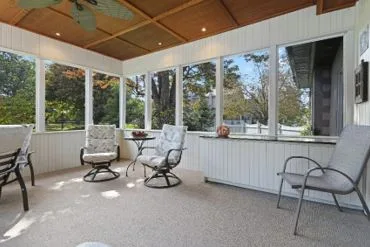
In fact, the concept of sunrooms in Suffolk County is quite popular, with many families converting patchy backyard corners or attached garage spaces into bright, airy rooms they can enjoy throughout the year.
This growing interest in repurposing space reflects a broader shift in how people think about their homes, not just as a place to sleep, but as a place to truly live. The appeal is simple. Instead of spending on a new home or a costly addition, homeowners are discovering that the space they need has been sitting right under their noses.
Identifying the Right Space to Reimagine
Before swinging a hammer or buying a single piece of furniture, take a walk through your home with fresh eyes. Ask yourself which spaces you avoid and why. Is it dark? Cluttered? Oddly shaped? These are not dealbreakers. They are starting points.
Attics offer excellent potential for private retreats, reading rooms, or home offices. Basements can become entertainment areas, gyms, or cozy family dens. Garages, when properly insulated and finished, can serve as studios, workshops, or even guest rooms. Even a wide hallway or an oversized landing at the top of the stairs can be redesigned into a small sitting nook or a compact home library.
The key is matching the space to your lifestyle. A family that loves movie nights will have different needs than someone who works from home or a hobbyist who needs room to create. It is also worth considering how the space connects to the rest of your home, since a room that flows naturally from your daily routine is one you will actually use.
Pay attention to how much time you realistically spend in different parts of your home, as that pattern often points directly to where a transformation will make the most meaningful difference.
Planning the Transformation Without Overwhelming Yourself
Once you have identified the space, the next step is planning. This does not have to be complicated. Start by thinking about how you want to feel in the room. Calm and focused? Warm and social? Light and open?
From there, consider the basics: lighting, ventilation, insulation, and flooring. These are the foundations of any comfortable room. Natural light can be brought in through skylights or larger windows. Proper insulation ensures the space is usable year-round. Flooring sets the tone, whether you go with hardwood for warmth, tile for a clean look, or carpet for comfort.
Do not try to do everything at once. Breaking the project into phases makes it manageable and helps you avoid decision fatigue. Focus on the structural and practical elements first, then layer in the aesthetic choices.
It also helps to set a loose timeline for each phase so the project keeps moving forward without feeling rushed. Having a simple checklist of priorities keeps your vision clear and prevents small decisions from derailing the bigger picture.
Designing a Space That Feels Like You
This is where the fun begins. Once the bones of the room are in place, the design choices you make are what will turn a renovated area into your favorite room in the house.
Think about how you use your other favorite spaces at home. What makes them comfortable? Is it the way the light comes in during the afternoon? The chair you always sink into? The shelf of things you love looking at? Bring those same elements into your new room.
Color plays a big role in how a space feels. Lighter shades open up a room and make it feel larger. Richer, deeper tones create a sense of warmth and enclosure that some people find very comforting. There is no wrong answer, only what feels right for the way you intend to use the room.
Furniture arrangement matters just as much as the furniture itself. Avoid pushing everything against the walls. Instead, create zones within the space that encourage the activities you have planned. A reading corner with a good chair and a lamp. A work area with a desk positioned near natural light. A lounge area with seating that faces a focal point, whether that is a fireplace, a television, or a window with a view.
Making It a Room You Return To
The rooms we love most in our homes are the ones we keep coming back to. They feel lived in but not cluttered. Personal but not overwhelming. To get there, edit ruthlessly. Every item in the room should either serve a purpose or bring you genuine joy. Anything else is just noise.
Personal touches are what separate a well-designed room from one that truly feels like home. Family photographs, artwork you collected on a trip, a plant that you have kept alive for years, a lamp you found at a market. These are the details that make a space irreplaceable.
Maintenance matters too. A beautifully designed room that becomes a dumping ground will quickly lose its appeal. Build in storage from the beginning so that keeping the room tidy does not require constant effort.
The unused corners of your home hold more potential than most people realize. With thoughtful planning, a clear sense of purpose, and design choices that reflect who you are, that forgotten space can become the room you love most. It is not about square footage. It is about intention.