Trends Transforming Large-Scale Housing Developments
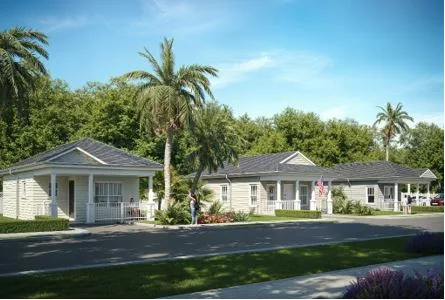
Large-scale housing developments are changing to meet the expectations of modern residents. People want neighborhoods that feel connected, practical, and comfortable for daily life. Developers are also focusing on long-term functionality instead of building spaces that only serve short-term needs.
Communities are now designed with greater attention to convenience, shared experiences, and flexible living. Buyers and renters are looking for environments that support work, recreation, and personal well-being in one place. These priorities continue to shape how new residential projects are planned and developed.
Community Focused Planning
Modern housing developments are placing greater attention on creating a sense of connection among residents. Streets, walkways, and shared spaces are being designed to encourage interaction while still giving people room for privacy. Open gathering areas, green spaces, and pedestrian-friendly layouts are becoming more common because they create a more welcoming environment.
Thoughtful planning also supports daily convenience. Schools, parks, shopping areas, and recreational spaces are often positioned closer to residential areas to reduce unnecessary travel. This approach helps residents spend more time within their neighborhoods while supporting a smoother daily routine.
Projects such as La Segarra, a master-planned community, reflect how developers are shifting toward organized residential environments that combine housing with accessible amenities and shared outdoor areas. These communities are designed to create a balanced living experience while supporting both comfort and functionality for residents.
Flexible Home Designs
Housing preferences continue to evolve, especially as people spend more time at home for work, relaxation, and family activities. Developers are responding by creating homes with adaptable layouts that can serve different purposes throughout the day.
Open living spaces remain popular because they provide flexibility for changing needs. Homeowners appreciate rooms that can transition between work areas, entertainment spaces, and quiet retreats without feeling crowded. Storage solutions are also receiving more attention to help maintain clean and organized interiors.
Outdoor living areas are becoming a stronger priority as well. Patios, small gardens, and covered spaces allow residents to enjoy fresh air without leaving their property. These additions support a more comfortable lifestyle and help people feel more connected to their surroundings.
Sustainable Building Practices
Sustainability has become an important factor in large-scale housing developments. Developers are focusing on methods that support energy efficiency and reduce unnecessary waste during construction and long-term use.
Natural lighting is one area receiving significant attention. Larger windows and carefully planned layouts help reduce the need for excessive indoor lighting during the day. Ventilation is also being considered more carefully to improve indoor comfort while supporting energy conservation.
Water-conscious landscaping is another growing trend. Many developments are using plants and outdoor designs that require less maintenance and lower water consumption. This approach helps maintain attractive surroundings while supporting more responsible resource use.
Building materials are also changing. Developers are increasingly selecting durable materials that hold up well over time and require less frequent replacement. This supports long-term maintenance while improving overall property quality.
Technology Integration in Residential Areas
Technology is shaping how people interact with their homes and neighborhoods. Modern housing developments are integrating features that improve convenience, communication, and security for residents.
Smart home systems are becoming more common in new properties. Residents can manage lighting, temperature, and security settings through mobile devices or centralized systems. These tools help simplify everyday tasks while improving comfort inside the home.
Neighborhood technology is evolving as well. Gated entry systems, digital visitor management, and shared communication platforms help residents stay informed and connected. Some developments also include charging stations and infrastructure that support changing transportation habits. Reliable internet access has become another important consideration. Developers understand that residents expect dependable connectivity for work, entertainment, and communication.
Wellness-Oriented Amenities
Health and wellness are influencing how large housing developments are designed. Residents increasingly value spaces that support physical activity, relaxation, and mental well-being.
Walking paths, fitness areas, and outdoor recreation spaces are becoming standard features in many communities. These amenities encourage healthier routines while giving residents opportunities to enjoy time outside. Quiet green spaces are also important because they provide areas for rest and reflection away from busy streets.
Indoor wellness spaces are appearing more frequently as well. Community rooms, fitness centers, and multipurpose gathering areas help residents maintain active lifestyles without traveling far from home. Developers are recognizing that convenience plays a major role in encouraging healthier habits.
Noise reduction is another growing consideration in residential planning. Builders are paying closer attention to layouts and materials that reduce unnecessary sound between homes and shared areas.
Mixed Use Neighborhood Development
Large-scale housing projects are increasingly blending residential living with retail, dining, and recreational spaces. This approach creates neighborhoods where residents can complete many daily activities without needing long commutes.
Mixed-use planning supports convenience while creating a stronger sense of activity within the community. Residents often appreciate being able to walk to restaurants, shops, and entertainment spaces instead of relying entirely on transportation.
Developers also recognize that mixed-use environments can create a more vibrant atmosphere. Public gathering areas, outdoor seating, and community events help encourage interaction and engagement among residents. These features contribute to a more active and connected neighborhood experience.
This style of development also supports flexibility for future growth. As community needs change, spaces can often be adapted more easily to serve different purposes without requiring major structural changes.
Long-Term Adaptability in Housing Design
Developers are thinking more carefully about how communities will function years into the future. Large-scale housing developments are now being planned with long-term adaptability in mind so they can continue meeting resident needs as lifestyles evolve.
Infrastructure planning plays an important role in this process. Roads, utilities, and shared facilities are being designed to support future expansion and changing technology. Flexible public spaces also allow communities to adjust to new recreational or social trends over time.
Housing variety is another important consideration. Including different home sizes and layouts within the same development creates opportunities for a broader range of residents. This approach helps communities remain active and balanced as demographics shift.