Types Of Bags to Support Your Rides
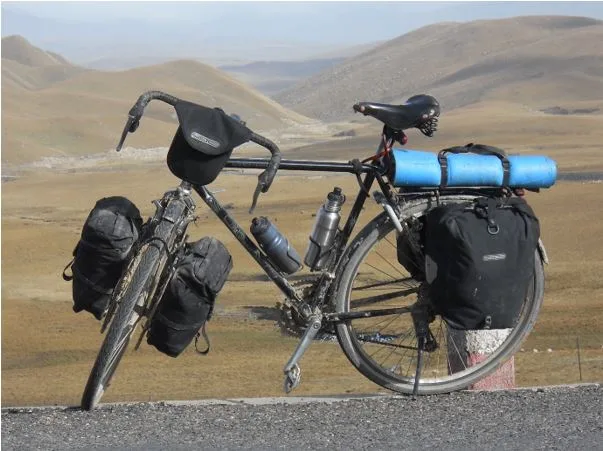
Bikes are ultimate road trip companions. Their slim profile helps in bypassing heavy traffic and navigating narrow pathways easily. However, managing your gear on a two-wheeler can be a difficult task. To help you pack all that you need for the next ride, we present to you a number of specialty bags for your bike.
These bags can mount on your bike’s rack, hang on the handlebars, be placed under the seat, or hang at the rear or the sides like a Bike Pannier. The durable material ensures that the bag carries gear effectively without wearing out in harsh environments.
Types of Bags to Lift the Load from Shoulders to Bike
Picking the right bag begins with knowing the volume and weight of the gear needed for the ride, which depends upon the trip duration and weather conditions of the terrain. Below are some of the bag options for your next ride:
- Pannier Bags
- Saddle Bags
- Backpacks
- Rolling Bags
- Handlebar Bags
- Crash Bar Bags
- Underseat Bags
- Tail Bags
- Tank Bags
Let’s explore them in detail and understand how they are used…
Pannier Bags
Pannier bags are large and heavy bags made from plastic or metal. They are attached to the rear rack of the bike, typically come in a pair to balance the weight on both sides of the bike and require a metal rack for safe attachment.
Saddle Bags
What makes saddle bags different from pannier bags is their size and construction. Where pannier bags are made from heavy-duty materials, saddle bags are made with lightweight materials such as leather, textile, or vinyl. They are usually attached under the saddle (bike seat).
Rolling Bags
Roll bags or rolling duffel bags are cylindrical bags that are placed on the rear rack. They often come with tires to easily glide the bag. These bags have enough space to store gear and, when empty, can be folded flat, saving space.
Handlebar Bags
These are small bags that are attached to the front handlebars. Bikers like to keep their small items such as phones, maps, keys, tools, and snacks inside these bags as they are easier to access while riding. They come with a zip lock and are lightweight.
Crash Bar Bags
Then, there are more bags with easy access and extra space. These bags, as the name suggests, are attached to the crash bars of the bike, providing extra accessible space for frequently needed gear such as tools, food, or rain covers.
Underseat Bags
These bags are often used interchangeably with saddlebags, as the seat of a bike is also known as a saddle. These bags come in handy when it comes to discretion. Riders keep their important documents and money in these bags to keep them secure, hidden, and easily accessible.
Tail Bags
As the name suggests, these bags are placed on the rear rack or seat, attaching themselves as a tail of the bike. These bags are engineered in an aerodynamic design to support the smooth flow of air around the bags. They have expandable pouches as well as side pockets to hold small items separately.
Tank Bags
These are smart bags that can stick to the tank of your bike via magnets, or you can ensure security by attaching them with straps. Some of the bags come with transparent map holders or touch-friendly mobile phone pockets. They also come with expandable pockets, USB ports, and cables.
How to Choose the Right Bag?
Choosing the right bag starts with knowing your needs, terrain, and ride duration. Consider these when packing your luggage and selecting the bag:
- Ride Duration and Terrain
For short rides, you can go with lightweight saddle bags. Whereas, on longer rides, you can go with a pair of panniers, or you can have roll bags for easy gliding.
- Bike Compatibility
Not every bag can be attached to every bike. Check if your bike has crash bars or metal racks to attach crash bar bags or panniers.
- Storage Needs
Calculate the volume and weight that you want to carry to pick the best bag that can meet your requirements.
Conclusion
Whether you commute daily or go on weekend trips, there is a special bag out there to meet your needs. Whether it is a Bicycle Rack Top Bag to carry heavy gear, or a magnetic tank bag for easy access—knowing your gear volume and weight allows you to understand what best suits your journey.