Ultimate Guide to Choosing the Right Pneumatic Actuator in Malaysia
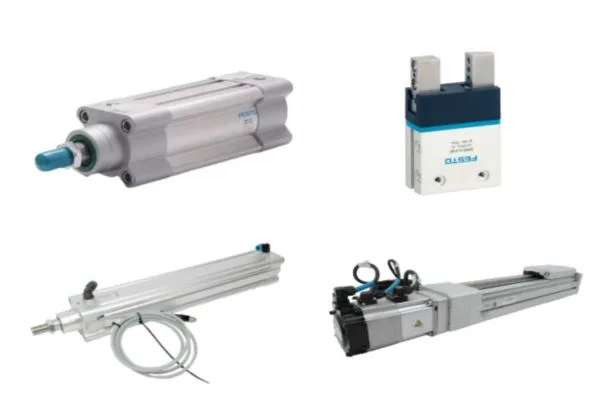
Pneumatic actuators are an essential component of industrial automation, converting compressed air into mechanical motion to operate valves, dampers, and other automated equipment. They are widely used across industries in Malaysia, including manufacturing, oil and gas, food processing, pharmaceuticals, water treatment, and chemical processing. Their reliability, fast operating speed, and cost-effectiveness make them a preferred choice for businesses seeking efficient and dependable automation solutions.
Choosing the right pneumatic actuator malaysia solution is essential for achieving consistent performance, reducing maintenance costs, and extending equipment lifespan. Since every industrial application has unique operating conditions, understanding the key selection factors helps businesses invest in equipment that meets their operational requirements while improving productivity and long-term efficiency.
What Is a Pneumatic Actuator?
A pneumatic actuator is a mechanical device that uses compressed air to generate either linear or rotary motion. This motion is used to automate industrial processes by controlling valves, machinery, and various mechanical systems. Pneumatic actuators are valued for their simple design, quick response time, and reliable operation in demanding industrial environments.
Unlike hydraulic actuators that use fluid pressure or electric actuators powered by motors, pneumatic actuators rely on compressed air, making them suitable for applications where cleanliness, safety, and rapid operation are important. Their durability and ease of maintenance have made them a popular choice across numerous industries in Malaysia.
Factors to Consider Before Choosing
Selecting the right pneumatic actuator malaysia solution requires careful evaluation of several technical and environmental factors. Understanding these considerations ensures that the actuator delivers reliable performance, supports efficient operations, and minimizes downtime throughout its service life.
1. Application Requirements
The intended application should always be the first consideration when selecting a pneumatic actuator. Different industrial processes require different types of motion, operating cycles, and performance characteristics. Some applications require linear movement, while others depend on rotary motion to operate valves or automated machinery.
The actuator should also match the required operating frequency, precision, response time, and overall automation objectives. Selecting an actuator specifically designed for the intended application helps improve productivity, reduce wear, and ensure long-term operational reliability.
2. Operating Pressure
Operating pressure directly affects the performance of a pneumatic actuator. Every actuator is designed to function within a specified pressure range, and maintaining the correct air pressure is essential for generating the required force.
Consulting an experienced air cylinder supplier in malaysia can help businesses select pneumatic components that are compatible with their compressed air systems and operating pressure requirements. Insufficient pressure may prevent the actuator from performing effectively, while excessive pressure can accelerate wear on seals and internal components. A stable compressed air supply with proper filtration and pressure regulation helps maintain consistent performance and prolongs the actuator’s service life.
3. Load Capacity
Load capacity determines the amount of force or torque the actuator can produce. Selecting an actuator with the correct load capacity is essential for ensuring smooth, safe, and efficient operation.
When determining the required load capacity, businesses should consider the weight of the moving component, friction within the system, operating conditions, and an appropriate safety margin. Proper sizing prevents unnecessary strain on equipment while improving overall system reliability.
4. Operating Environment
Environmental conditions significantly influence actuator durability and performance. Malaysia’s tropical climate exposes industrial equipment to high humidity, elevated temperatures, and moisture throughout the year. Certain industries may also expose actuators to chemicals, dust, corrosive substances, or outdoor weather conditions.
Choosing an actuator specifically designed to withstand these environmental challenges helps prevent corrosion, minimize maintenance requirements, and improve long-term operational reliability.
5. Material Selection
The material used in the construction of a pneumatic actuator affects its strength, corrosion resistance, and suitability for different industrial environments. Selecting the appropriate material helps maximize equipment lifespan while reducing maintenance costs.
Common materials include:
- Aluminum: Lightweight, corrosion-resistant, and suitable for general industrial applications.
- Stainless Steel: Excellent resistance to corrosion, chemicals, and moisture, making it ideal for food processing, pharmaceutical, marine, and chemical industries.
- Carbon Steel: Strong and highly durable for heavy-duty industrial applications but generally requires protective coatings against corrosion.
- Engineering Plastics: Lightweight and resistant to certain chemicals, making them suitable for specialized industrial environments.
Selecting the appropriate material ensures longer service life while minimizing maintenance requirements.
6. Speed and Performance
The required operating speed varies depending on the industrial application. High-speed production lines require actuators capable of rapid movement, while precision-controlled systems demand smooth and accurate operation. Factors such as air pressure, airflow, actuator size, and applied load all influence overall performance.
Selecting the right pneumatic actuator malaysia solution with the appropriate balance of speed and performance helps improve production efficiency, maintain operational accuracy, and reduce unnecessary mechanical stress on automated systems.
7. Maintenance Requirements
Although pneumatic actuators require less maintenance than many alternatives, routine inspections remain essential.
Regular maintenance should include:
- Checking air leaks
- Inspecting seals
- Lubricating moving parts when required
- Cleaning air filters
- Monitoring operating pressure
Preventive maintenance minimizes unexpected downtime and extends equipment life.
8. Energy Efficiency
Reducing energy consumption has become an important priority for manufacturers looking to lower operating costs while improving sustainability. Since compressed air systems consume a significant amount of energy, selecting equipment that matches application requirements can greatly improve efficiency.
Choosing the right pneumatic actuator malaysia solution helps optimize compressed air usage, minimize energy losses, and improve overall system performance. Combined with proper maintenance and effective pressure management, energy-efficient pneumatic systems can reduce electricity costs while supporting environmentally responsible industrial operations.
Selecting a Reliable Supplier in Malaysia
Choosing a reliable supplier is just as important as selecting the right pneumatic actuator. An experienced supplier provides expert product recommendations, technical support, and dependable after-sales service to ensure customers receive solutions that match their specific operational requirements.
Pneumotion Industrial Sdn. Bhd. is a trusted supplier of pneumatic automation products in Malaysia. The company offers a comprehensive range of pneumatic actuators, valves, cylinders, fittings, air preparation units, and automation components designed to serve various industries. With extensive industry experience, it helps customers select products that deliver reliable performance, long service life, and efficient operation.
In addition to supplying high-quality pneumatic solutions, the company is committed to providing responsive customer service, technical guidance, and dependable product support. Its dedication to quality and customer satisfaction makes it a reliable partner for businesses seeking advanced pneumatic automation solutions in Malaysia.
Conclusion
Choosing the right pneumatic actuator involves carefully evaluating application requirements, operating pressure, load capacity, environmental conditions, material selection, speed, maintenance needs, and energy efficiency. Considering these factors enables businesses to select equipment that delivers reliable performance, reduces downtime, and supports long-term productivity.
Investing in the right pneumatic actuator malaysia solution while partnering with a trusted supplier ensures access to quality products, professional technical support, and dependable automation solutions. With the proper equipment and expert guidance, businesses can improve operational efficiency, reduce maintenance costs, and achieve sustainable industrial growth.