Understanding Air Purification in Workplaces
Indoor air quality plays a crucial role in maintaining healthy environments, particularly in workplaces where large numbers of people share a confined space. Airborne pollutants such as dust, pollen, bacteria, and volatile organic compounds (VOCs) can accumulate over time, potentially causing respiratory issues, allergic reactions, or general discomfort. Addressing these concerns often requires targeted strategies to remove contaminants efficiently.
How Air Purifiers Function
Air purifiers operate by drawing in air and passing it through a series of filtration stages. The most common filters include HEPA (high-efficiency particulate air) filters, activated carbon layers, and UV-C light treatments. HEPA filters capture fine particles, including dust, pollen, and some bacteria, providing a first line of defence against pollutants. Activated carbon filters are designed to absorb odours, chemical fumes, and VOCs emitted by furniture, cleaning products, or paints. UV-C treatment, meanwhile, disrupts the DNA of bacteria and viruses, reducing microbial presence in the air.
The efficiency of an air purifier depends on several factors, including the type of filter, the airflow rate, and the size of the area it serves. Selecting an appropriate unit requires understanding the dimensions of the space, the expected occupancy, and the specific contaminants likely to be present.
Benefits of Improved Air Quality
Maintaining clean air in shared environments can have a range of benefits. Employees and visitors experience fewer respiratory irritations, which can translate into reduced sick days and higher productivity. For individuals with allergies or asthma, the removal of common airborne triggers can significantly improve comfort and concentration. In healthcare or hospitality settings, reducing microbial load in the air contributes to overall hygiene and safety, supporting compliance with health standards.
Enhanced air quality can also reduce odours and chemical irritants, creating a more pleasant atmosphere. This is particularly relevant in spaces where multiple activities occur, such as kitchens, workshops, or areas with frequent cleaning and chemical use. Over time, consistent air purification can contribute to longer-term wellbeing and improved indoor environmental quality.
Choosing the Right System
Selecting an air purification system requires assessing both the environment and the performance of available units. Key considerations include the size of the space, the level of pollutants, and the type of occupants. For larger or busier areas, units with higher airflow capacity and multiple filtration stages are generally more effective. Some systems combine HEPA, activated carbon, and UV-C treatments in one device to address a wide range of contaminants simultaneously.
It is also important to consider maintenance requirements. Filters require regular replacement or cleaning to maintain efficiency, and UV-C components may need periodic inspection to ensure proper functioning. Monitoring air quality over time can help identify whether a unit is adequately addressing the needs of the space.
Implementation in Different Environments
Air purifiers can be used in a variety of environments, from offices and schools to healthcare facilities and commercial spaces. Each setting presents unique challenges; for example, medical environments may prioritise microbial reduction, whereas office spaces might focus on allergens and odours. Placement of units is equally important, as poorly positioned devices may not circulate air effectively or may leave certain areas under-treated.
For sustained benefits, it is often recommended to integrate air purifiers with existing ventilation systems. This approach ensures continuous air circulation and maximises coverage, while also supporting energy efficiency. Periodic assessment of air quality can guide adjustments to unit placement or capacity as needs change over time.
Commercial Air Purifiers in Practice
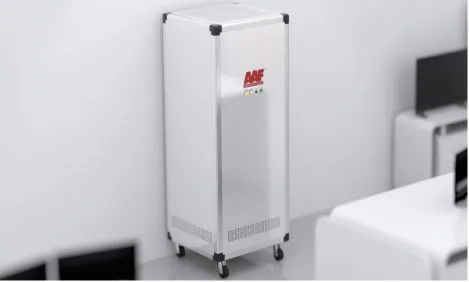
Specialised commercial air purifiers are designed to handle larger spaces and heavier pollutant loads. These units typically offer robust airflow, advanced filtration stages, and features such as real-time air quality monitoring. They are often deployed in offices, educational institutions, healthcare settings, and hospitality venues where maintaining consistent air quality is a priority. By targeting both particulate matter and gaseous pollutants, these systems help create healthier, more comfortable environments for occupants.
Maintenance and Monitoring
Effective operation requires regular maintenance, including filter replacement and inspection of UV-C components if included. Many modern units feature alerts for filter changes and diagnostic functions to maintain optimal performance. In addition, measuring particulate levels and VOC concentrations can provide feedback on the system’s effectiveness, allowing adjustments to unit placement or filtration settings as necessary.
Conclusion
Air purification in shared environments is an essential consideration for health, comfort, and productivity. Understanding the different types of filters, the factors influencing performance, and the maintenance required enables informed decisions when selecting and deploying systems. For larger or higher-traffic areas, commercial air purifiers provide a comprehensive solution, addressing both particulate and chemical contaminants while supporting a cleaner, safer indoor environment.