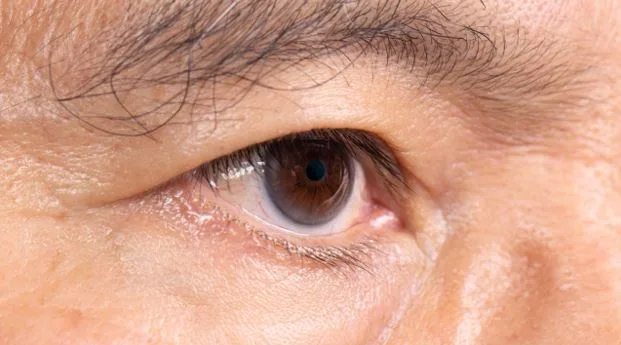
Understanding Cataracts in Older Age: A Simple Guide
Aging brings wisdom, memories, and stories. However, it also brings some health changes. One common issue is vision trouble. In fact, cataracts affect many older adults around the world. This guide explains cataracts in a clear and simple way. It also helps families understand what to expect and what to do next.
What Is a Cataract?
A cataract happens when the clear lens of the eye becomes cloudy. Because of this, light cannot pass through easily. As a result, vision becomes blurry. Colors may look faded too.
In older adults, this condition is very common. In fact, doctors often talk about GERIATRICS Cataract when they mean cataracts linked to aging. GERIATRICS Cataract usually develops slowly. Therefore, many people do not notice it at first. Over time, though, daily tasks become harder. GERIATRICS Cataract can affect reading, driving, and even recognizing faces.
Although cataracts sound scary, they are treatable. Moreover, early care can make a big difference.
Why Cataracts Are Common in Older Adults
As we age, our body changes in many ways. The eyes are no exception. Over the years, proteins in the eye lens start to break down. Because of this, the lens loses clarity.
Several factors increase the risk:
- Aging itself
- Long-term sun exposure
- Diabetes
- Smoking
- Family history
However, aging remains the biggest reason. Therefore, regular eye exams are very important for seniors. Early checks help catch problems before they worsen.
Signs and Symptoms to Watch For
Cataracts do not cause pain. That is why many people ignore early signs. Still, there are clues you should not miss.
Common symptoms include:
- Blurry or cloudy vision
- Trouble seeing at night
- Sensitivity to bright light
- Faded or yellow colors
- Frequent changes in glasses
At first, stronger lighting may help. For example, reading near a window might feel easier. However, this is only a short-term fix. Over time, symptoms increase. Therefore, medical advice becomes necessary.
How Cataracts Affect Daily Life
Vision plays a big role in independence. When cataracts grow, simple tasks feel stressful. For instance, cooking may become risky. Driving at night can feel unsafe. Even watching TV may lose joy.
Moreover, poor vision can lead to falls. In older adults, falls are serious. Therefore, untreated cataracts can affect overall safety. Family members often notice changes before the patient does. Because of this, open conversations matter.
Diagnosis and Eye Exams
Eye doctors use simple tests to find cataracts. The exam is painless. It usually includes a vision test and a close look at the eye lens.
During this process, doctors often discuss GERIATRICS Cataract as part of age-related eye care. GERIATRICS Cataract diagnosis helps guide treatment plans. Also, it helps families plan ahead. GERIATRICS Cataract does not always need surgery right away. Sometimes, doctors suggest monitoring first.
Regular eye exams, at least once a year, are key. Therefore, seniors should not skip appointments.
Treatment Options for Cataracts
At early stages, treatment is simple. Doctors may suggest:
- Better lighting at home
- Updated eyeglass prescriptions
- Anti-glare sunglasses
However, these steps only help for a while. When cataracts begin to block daily life, surgery is the best option.
Cataract Surgery Explained
Cataract surgery is common and safe. In fact, it is one of the most performed surgeries worldwide. The cloudy lens is removed. Then, a clear artificial lens replaces it.
The procedure is quick. It usually takes less than an hour. Moreover, most patients go home the same day. Recovery is also fast. Many people notice better vision within days.
Because of modern methods, success rates are high. Therefore, fear should not stop anyone from seeking care.
Life After Cataract Surgery
After surgery, vision often improves greatly. Colors look brighter. Reading becomes easier. Confidence returns.
However, recovery still needs care:
- Use prescribed eye drops
- Avoid heavy lifting for a short time
- Attend follow-up visits
Most people return to normal routines quickly. Therefore, surgery often improves quality of life.
Emotional and Family Support Matters
Vision loss can feel frustrating. Older adults may feel scared or dependent. Because of this, emotional support is important.
Family members can help by:
- Driving to appointments
- Helping with medication
- Offering reassurance
Open communication helps reduce stress. Moreover, understanding the condition builds trust. Cataract care is not just medical. It is emotional too.
Preventing or Slowing Cataracts
Cataracts cannot always be prevented. Still, healthy habits may slow them down.
Helpful steps include:
- Wearing sunglasses outdoors
- Eating fruits and vegetables
- Managing blood sugar
- Avoiding smoking
Although these steps are simple, they support eye health. Therefore, starting early is wise.
Final Thoughts on Cataracts in Older Adults
Cataracts are a natural part of aging for many people. However, they do not have to limit life. With early checks and proper care, vision can stay strong.
Understanding GERIATRICS Cataract helps families prepare and act early. GERIATRICS Cataract treatment today is safe and effective. Most importantly, GERIATRICS Cataract does not mean loss of independence.
Clear vision supports a full life. Therefore, never ignore eye health. A simple exam can lead to brighter days ahead.