Understanding Catholic Funeral Traditions and Services
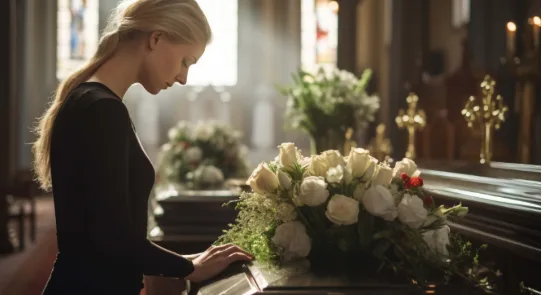
A Catholic funeral provides families with a structured way to say goodbye to a loved one while reflecting the beliefs and practices of the Catholic faith. It brings family members, friends and members of the church community together to pray, remember the deceased and offer support to one another. While the details of each funeral can vary, Catholic funeral services generally follow established religious practices that give the ceremony a clear and meaningful structure.
For families arranging a Catholic funeral, understanding the main stages of the service can make the process easier. Funeral directors, parish staff and priests can also provide practical guidance and help families make arrangements that respect both religious requirements and personal wishes. The Catholic funeral services in Singapore can help families coordinate the necessary arrangements while ensuring that the funeral follows Catholic traditions and practices.
The Purpose of a Catholic Funeral
A Catholic funeral is centred on prayer, remembrance and hope. It gives people an opportunity to honour the person who has died while finding comfort through their faith. Catholic teaching places strong emphasis on the resurrection and eternal life, so the funeral also reflects the belief that death is not the end of a person’s spiritual journey.
For those attending, the service can provide a peaceful setting for grief. Gathering together allows family members and friends to support one another during a difficult period. Prayer and familiar religious practices can also provide a sense of comfort when emotions are particularly strong.
The Vigil and Wake
The vigil, often associated with the wake, is commonly held before the funeral Mass. It provides time for family and friends to gather, remember the deceased and pray together. The setting may include readings from the Bible, prayers, hymns and personal reflections.
Depending on the family’s wishes and the arrangements made with the parish, there may also be an opportunity for people to share memories of the deceased. The vigil can therefore combine religious prayer with personal remembrance while giving loved ones time to come together before the main funeral service.
The Funeral Mass
The Funeral Mass, also known as the Mass of Christian Burial, is the central part of a Catholic funeral when a mass is chosen. It is normally celebrated in a Catholic church and follows the structure of the Catholic liturgy.
Prayers, scripture readings, hymns and the Eucharist form important parts of the celebration. The service focuses on God’s care, the hope of resurrection and prayers for the deceased. Family members may also take part in selected readings or other appropriate parts of the service, depending on the arrangements with the parish.
The Rite of Committal
The Rite of Committal takes place at the burial location or another appropriate place of final committal. It marks the final stage of the funeral rites and gives those present an opportunity to offer prayers and say goodbye.
The priest or other authorised minister leads prayers and may bless the grave or place of committal. The ceremony is generally shorter than the Funeral Mass but remains an important part of the Catholic funeral process.
The Role of Funeral Directors
Funeral directors can provide valuable practical support when a family is arranging a Catholic funeral. During a period of grief, dealing with paperwork, transport, venues and scheduling can be difficult. Professional assistance can help families manage these responsibilities while concentrating on their loved ones.
Funeral directors may coordinate with the family, parish, priest, cemetery and other relevant parties. They can also help arrange the wake, prepare the deceased, organise transportation and assist with the timing of the different services. Families should discuss their requirements clearly so that arrangements can be made according to Catholic practices.
Cremation and Catholic Funerals
Cremation is permitted within the Catholic Church under certain conditions. Catholic teaching continues to emphasise respect for the deceased and the dignity of the human body. When cremation is chosen, the cremated remains should be treated respectfully and placed in an appropriate sacred or approved final resting place according to Church requirements.
Families considering cremation should discuss the arrangements with their parish or priest. This can help ensure that the chosen arrangements are consistent with current Church guidance and the family’s wishes.
Personalising the Funeral
Although Catholic funerals follow a recognised liturgical structure, families can still include personal elements. Scripture readings, hymns and other appropriate choices may be discussed with the priest or parish team.
Personalisation should work within the requirements of the Catholic liturgy while reflecting the life and personality of the deceased. A meaningful hymn or familiar scripture passage can provide comfort to family members and create a more personal experience for those attending.
Music and Prayer
Music can play an important role during a Catholic funeral. Hymns and other suitable liturgical music can support prayer and create an atmosphere of reflection. Music choices are generally discussed with the church or parish so that they are appropriate for the service.
Prayer is equally central. From the vigil through to the Funeral Mass and Rite of Committal, prayers provide opportunities for the congregation to remember the deceased and seek comfort during bereavement.
Support for Grieving Families
A Catholic funeral is also intended to support those who are grieving. Family members may experience sadness, confusion and many other emotions after a death. Being surrounded by people who care can make this difficult period feel less isolating.
The church community may continue to provide pastoral support after the funeral. Conversations with priests, participation in church activities and support from friends or parish members can help families as they adjust to life after their loss.
Arranging a Catholic Funeral
Planning a Catholic funeral involves both religious and practical decisions. Families may need to discuss the Funeral Mass, vigil, burial or cremation arrangements, music, readings and other details with the parish and funeral director.
Starting these conversations early can help avoid confusion and ensure that everyone understands what needs to be arranged. It is also useful to communicate the deceased’s wishes where these are known.
A Catholic funeral ultimately provides a respectful setting for farewell, prayer and remembrance. Through its ceremonies and community support, it gives families a structured way to honour someone they love while drawing on the comfort and hope of their faith. Understanding each stage can make the arrangements easier and help families create a service that is respectful, meaningful and appropriate for their circumstances.