Understanding Common Household Pest Behaviors & What Attracts Them
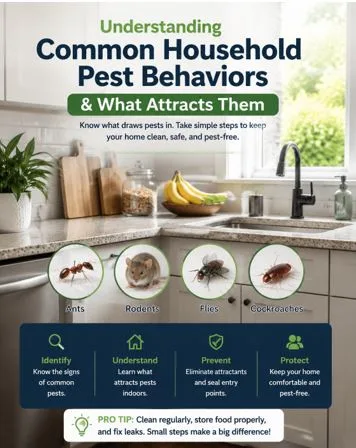
Every homeowner eventually faces the frustration of pests invading their space. Understanding why pests enter homes and what draws them can help prevent infestations and maintain a safe, comfortable living environment. In this guide, we explore the common pest attraction causes, focusing on the behavior patterns of ants, rodents, flies, and other frequent invaders.
Why Ants Invade Homes
Ants are some of the most persistent household pests. But have you ever wondered why ants invade homes even when you maintain cleanliness? The answer lies in their search for food, water, and shelter. Common triggers include:
- Sweet or sugary residues on counters and floors.
- Crumbs and leftover food are left in accessible areas.
- Moist areas near sinks, leaky pipes, or plant trays.
- Easy access through cracks, windows, and doors.
Ants communicate with each other using pheromone trails, meaning once one ant discovers a source of food, it signals others to follow. This behavior is why ants invade homes, a recurring issue unless preventive measures are taken.
Do you know? Ants can enter through a gap as small as 1/16 of an inch.
Customer Experience
“Terminix has consistently offered our apartment complex reliable, competent service. We are completely satisfied with their knowledgeable representative, who is always punctual and does a superior job for us every time.” – Nancy C. Riley
What Attracts Rodents Indoors
Rodents such as mice and rats are not only a nuisance but also carry health risks. They are drawn indoors primarily by:
- Easy access to food storage or pet food.
- Cluttered spaces that provide shelter.
- Standing water or leaky plumbing.
Understanding what attracts rodents indoors allows homeowners to implement effective exclusion strategies like sealing gaps, storing food properly, and keeping surfaces clean.
Pro Tip: Regularly inspect your home’s exterior foundation and attic for rodent entry points and seal them promptly.
Key Household Pest Data
| Rodent Type | Average Daily Food Consumption | Typical Entry Points |
| House Mouse | 0.5 oz | Gaps around pipes, vents, and doors |
| Norway Rat | 1–1.5 oz | Basements, wall voids, crawlspaces |
| Roof Rat | 0.25–0.5 oz | Rooflines, vents, attics |
Why Flies Swarm the Kitchen
Flies are attracted to decomposing organic matter. Here are key factors explaining why flies swarm the kitchen:
- Exposed food scraps and trash bins.
- Dirty dishes left in sinks or on counters.
- Pet waste or spilled liquids.
- Warm and humid environments near food prep areas.
Flies are fast reproducers. Even a few unnoticed larvae can turn into hundreds of adult flies, increasing contamination risks.
Customer Experience
“Flies were a constant problem in my kitchen. Learning about their breeding habits helped me cover food, clean spills immediately, and use tightly sealed trash bins. The difference was night and day.” – Mark T., Norfolk, VA.
Common Pest Attraction Causes Across Homes
Beyond specific pests, several factors universally attract unwanted visitors:
- Food availability: Any accessible food, from sugar to pet food, lures insects and rodents.
- Water sources: Leaks, standing water, and damp basements create inviting conditions.
- Shelter: Clutter, unsealed vents, and dark corners provide ideal nesting sites.
- Seasonal changes: Many pests move indoors seeking warmth during cooler months.
Note: Even minor oversights like a damp towel or an unsealed pantry can trigger pest activity.
Integrating Pest Control Measures
For effective prevention, consider these strategies:
- Maintain clean counters and floors; avoid leaving food exposed.
- Use airtight containers for pantry items.
- Regularly empty trash bins and clean around them.
- Repair leaks and remove standing water.
- Declutter storage areas and seal entry points.
Implementing these steps reduces pest access and minimizes the need for chemical treatments. For complex infestations, professionals like local exterminators in Virginia provide targeted interventions.
Specialized Observations
Understanding specific behaviors of each pest helps target prevention and treatment more effectively.
Ant Trails and Nesting Habits
Ants often leave visible trails to food sources. Observing these paths helps in identifying nests and applying localized treatments. Avoid using broad sprays that can disperse ants further.
Rodent Behavior Patterns
Rodents are nocturnal and often travel along walls or behind appliances. Monitoring droppings and gnaw marks reveals their activity zones.
Fly Lifecycle Awareness
Understanding that flies lay eggs in organic matter helps in timely disposal and sanitation, preventing swarms.
Closing Words
Recognizing why ants invade homes, what attracts rodents indoors, and why flies swarm the kitchen equips homeowners with the knowledge to prevent infestations. Combining cleanliness, maintenance, and monitoring with professional insight ensures a pest-free living environment. Knowledge of common pest attraction causes is your first defense line.
FAQs
Q1: How often should I inspect my home for pests?
A: Monthly inspections of food storage, plumbing, and entry points help detect early activity.
Q2: Can I prevent ants without chemicals?
A: Yes. Sealing entry points, cleaning surfaces, and removing food sources are effective non-chemical strategies.
Q3: Are certain pests seasonal?
A: Yes. Flies and mosquitoes are more active in warm months, while rodents may seek warmth indoors during colder periods.
Q4: What is the best way to store pet food?
A: Use airtight containers, clean up spills promptly, and avoid leaving food out overnight.
Protect your home proactively. Learn more about effective pest prevention and treatment strategies by consulting trusted pest control specialists in Elizabeth City, NC, for tailored solutions.