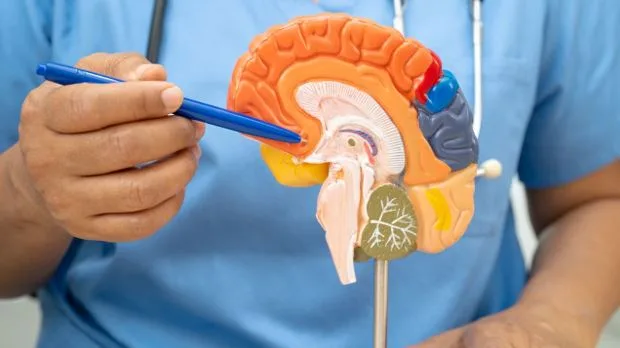
Understanding Dementia: A Simple Guide for Families
Dementia is a word that scares many people. But knowing what it means can help families deal with it better. This condition affects millions of older adults around the world. It changes how people think, remember, and do everyday tasks.
What Is Dementia Really?
Dementia is not just one disease. It’s actually a group of symptoms that affect the brain. These symptoms make it hard for people to remember things, think clearly, or make decisions. The most common type is Alzheimer’s disease. However, there are other types too.
Many people think dementia is a normal part of getting old. This is not true. While age does increase the risk, dementia is caused by damage to brain cells. This damage stops brain cells from talking to each other properly.
Early Signs to Watch For:
- Forgetting recent events or conversations
- Getting lost in familiar places
- Struggling to find the right words
- Changes in mood or personality
The condition usually starts slowly. At first, the signs might be so small that family members don’t notice them. Someone might forget where they put their keys. Or they might repeat the same question a few times. These small things can be easy to miss.
How GERIATRICS Dementia Affects Daily Life
As dementia gets worse, it affects more parts of daily life. Simple tasks become challenging. Things like cooking, getting dressed, or managing money can feel impossible. This is where geriatrics comes in. Geriatrics is the branch of medicine that focuses on caring for older adults.
People with dementia might need help with bathing or eating. They may forget to take their medicine. Some people wander away from home and get lost. These changes are hard for everyone involved. Both the person with dementia and their family members feel the impact.
The emotional side is tough too. Someone might not recognize their own children. They could become angry or upset easily. These personality changes can be the hardest part for families to handle.
Different Types You Should Know About
Alzheimer’s disease is the most common type. It makes up about 60 to 80 percent of all cases. This type damages the parts of the brain that control memory and thinking.
Vascular dementia comes second. It happens when blood flow to the brain gets blocked. This often occurs after a stroke. The symptoms can appear suddenly or develop over time.
Lewy body dementia causes problems with movement and thinking. People with this type might see things that aren’t there. They often have trouble sleeping.
Frontotemporal dementia affects younger people more often. It usually starts between ages 40 and 65. This type changes personality and behavior first.
Getting the Right Diagnosis
Finding out if someone has dementia takes time. Doctors don’t have one simple test for it. Instead, they use many different tools. They ask questions about symptoms and medical history. They do physical exams and brain scans.
Memory tests help doctors see how well someone thinks and remembers. Blood tests can rule out other problems that cause similar symptoms. Things like vitamin deficiencies or thyroid issues can look like dementia.
Getting diagnosed early helps a lot. People can start treatment sooner. They can also make plans for the future while they still can. This includes legal and financial decisions.
Treatment Options Available Today
There is no cure for most types of dementia right now. But treatments can help manage symptoms. Some medicines can slow down memory loss for a while. These work best in the early stages.
Other medicines help with symptoms like depression, anxiety, or sleep problems. These don’t treat the dementia itself. But they can make life better for both patients and caregivers.
Ways to Help Manage Symptoms:
- Keep a regular daily routine
- Use calendars and reminder notes
- Stay physically active
- Eat a healthy diet
- Keep the home safe and simple
Therapy and activities matter too. Music therapy can calm people with GERIATRICS Dementia. Art projects give them a way to express feelings. Physical exercise keeps the body and mind active.
Supporting Someone With Dementia
Being a caregiver is one of the hardest jobs out there. It requires patience, love, and lots of energy. Caregivers need to take care of themselves too. Otherwise, they can get burned out.
Communication changes as dementia progresses. Simple, clear sentences work best. Speaking slowly and calmly helps. Making eye contact shows you care. Giving the person time to respond is important.
Creating a safe home environment prevents accidents. Remove tripping hazards like loose rugs. Install good lighting everywhere. Lock up medicines and cleaning supplies. These small changes make a big difference.
Joining a support group helps many caregivers. Talking to others who understand makes you feel less alone. These groups share tips and offer emotional support.
Looking Ahead With Hope
Research into dementia continues every day. Scientists are working on new treatments. They want to find ways to prevent it or even cure it. Clinical trials test new medicines and therapies.
Staying mentally active might help protect the brain. Reading, puzzles, and learning new things keep the mind sharp. Social connections matter too. Spending time with friends and family is good for brain health.
Taking care of your heart helps your brain. High blood pressure, diabetes, and high cholesterol increase dementia risk. Managing these conditions may lower your chances of developing GERIATRICS Dementia.
Final Thoughts
Dementia changes lives in profound ways. But understanding it makes the journey easier. Families can prepare and find the right support. They can focus on making good memories while they still can.
The key is not to face it alone. Doctors, nurses, and support groups are ready to help. With the right care and support, people with dementia can still have quality of life. Their families can find ways to cope and even thrive.
Remember that each person’s experience with dementia is unique. What works for one family might not work for another. Stay flexible, stay informed, and most importantly, stay compassionate.