Understanding Edema: Causes, Signs, and Care
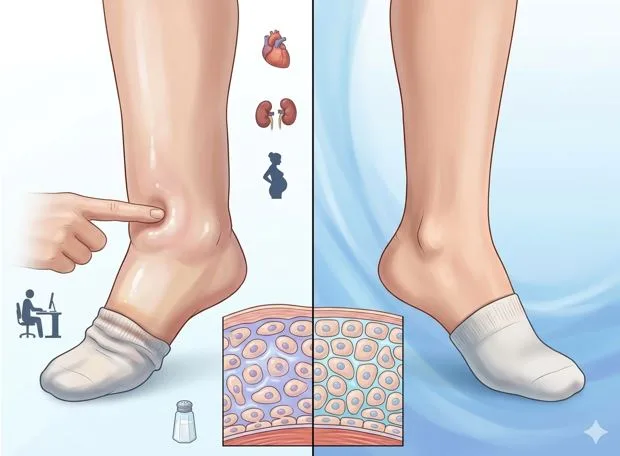
Edema, commonly known as fluid retention or swelling, is a very common overlooked health concern that can go unnoticed in early stages and affects people of all ages. The circulatory and lymphatic systems play an important role in maintaining fluid balance, regulating blood volume, and ensuring that tissues receive the nutrients they need. When the body’s tiny blood vessels leak fluid into nearby tissues, it leads to an accumulation of excess water, causing parts of the body to look swollen or puffy.
Edema can develop due to poor diet, high salt intake, sitting or standing for too long, or certain medical conditions. Early symptoms may be mild, such as a slight tightness in your shoes or a ring feeling tight on your finger, but if left untreated, it can lead to skin infections, difficulty walking, and other serious health complications. Here, we will discuss how to manage edema, the role of medications like Dytor 10 and Torget 40, and other useful tips to maintain healthy fluid levels.
Understanding Edema
Edema is described as an instance where excess fluid becomes trapped in the body’s tissues. This condition usually progresses slowly, without significant signs or symptoms at first. It often affects the feet, ankles, and legs, but it can also occur in the hands, arms, and face. This condition can stem from an insufficiency of movement, high sodium consumption, or other underlying medical conditions like heart, liver, or kidney issues. While it is alarming and uncomfortable, it can be treated successfully with appropriate care and the right medical intervention at the right time.
Symptoms of Edema
The symptoms of edema can vary depending on how much fluid has accumulated and where it is located. In the early stages, the signs may be mild and often go unnoticed or dismissed as simple “tiredness”.
Common symptoms of edema include:
- Swelling or Puffiness: Visible enlargement of the tissue directly under the skin.
- Stretched or Shiny Skin: The skin over the swollen area may look tight or glossy.
- Pitting: Skin that retains a dimple or “pit” after being pressed for a few seconds.
- Increased Abdominal Size: A feeling of fullness or bloating in the stomach area.
- Aching Limbs: A heavy or stiff feeling in the legs or arms.
- Weight Gain: Sudden increases in weight over a short period due to water weight.
Severe symptoms of edema may include:
- Difficulty Breathing: Shortness of breath or chest pain, which may indicate fluid in the lungs.
- Skin Ulcers: Small sores or breaks in the skin caused by extreme stretching.
- Severe Pain: Intense discomfort in the swollen area that makes movement difficult.
- Heart Palpitations: A feeling that the heart is racing or skipping a beat.
For children, edema can interfere with proper activity levels and may be a sign of an underlying nutritional deficiency or kidney concern. This makes it important to ensure adequate medical care and monitoring to keep fluid levels balanced and comfortable.
Using Fluid-Management Medications
Diuretics, often called “water tablets,” such as Dytor 10 and Torget 40, are commonly used to manage edema. These medications help restore comfort by prompting the kidneys to release more sodium into the urine. This sodium takes water with it, effectively flushing excess fluid out of the body and reducing swelling. They often contain the active ingredient Torsemide to provide long-lasting relief from puffiness.
- Consult Your Doctor: It is important to consult a doctor before starting any medication for edema. They can confirm the cause of the swelling and recommend the right formulation, dosage, and duration based on your health condition.
- Take Medications as Prescribed: If advised, take medications like Dytor 10 or Torget 40 exactly as prescribed. These are usually taken in the morning to prevent the need for frequent bathroom visits during the night. Consistency is key to achieving better results and preventing fluid from building back up.
- Monitor Your Progress: Keep track of your weight and the visible swelling in your limbs after starting your course. A reduction in puffiness and easier movement of joints may indicate effectiveness. If you experience severe dizziness or muscle cramps, consult your doctor for further evaluation.
Other Measures to Manage Edema
In addition to medication, several lifestyle changes can help improve fluid balance and overall circulatory health:
- Reduce Salt Intake: High levels of sodium cause the body to hold onto water; avoiding processed foods and using less table salt can naturally reduce retention.
- Elevate the Affected Area: Keeping swollen legs or arms raised above the level of the heart for 30 minutes a few times a day helps gravity move fluid back toward the heart.
- Stay Active: Gentle exercise, like walking or swimming, helps pump fluid away from the extremities and improves general circulation.
- Wear Compression Garments: Special stockings or sleeves can apply gentle pressure to the limbs, preventing fluid from collecting in the tissues.
- Massage the Area: Firm but gentle pressure toward the direction of the heart can help move trapped fluid out of the swollen region.
When to Seek Professional Help?
If symptoms continue despite reducing salt or using prescribed medications, it is important to seek guidance from a healthcare professional. A doctor may recommend blood tests, urine analysis, or an ultrasound to assess the heart and kidneys and suggest appropriate treatment to prevent further complications.
Early medical intervention helps ensure that the edema does not progress to more serious health issues like deep vein thrombosis (DVT). You should consider consulting a medical practitioner if you experience:
- Swelling in only one leg that is accompanied by redness or heat.
- Sudden and severe swelling that appears without a clear reason.
- Difficulty breathing or persistent coughing.
- Symptoms that continue to worsen despite significant lifestyle changes.
- Underlying conditions, such as high blood pressure or diabetes, may affect kidney function.
Certain groups should be especially cautious and consult a doctor regularly to monitor their fluid levels, including pregnant women, who often experience mild swelling but must watch for signs of preeclampsia, and older adults, who may have a higher risk of heart or liver-related fluid retention. Seeking timely medical advice ensures proper diagnosis and helps prevent long-term complications associated with chronic edema.
Conclusion
Although edema is not always a major problem in the initial stages, it is always best to treat it to avoid other health complications in the future. Fluid balance is very important for our overall comfort, mobility, and organ health.
It is possible to treat edema in the right way through the right combination of medications like Dytor 10 or Torget 40, along with a healthy lifestyle and a low-sodium diet. With the right combination of professional guidance, mindful eating, and healthy movement habits, fluid retention can be effectively managed. Early awareness and timely medical guidance can help ensure long-term health and prevent future complications.