Understanding Heat Transfer: A Guide to House Insulation and Thermal Resistance
Maintaining a consistent indoor temperature requires more than an operational heating, ventilation, and air conditioning (HVAC) system. The physical barrier separating the interior living space from the external environment dictates the overall energy efficiency of a property.
In regions experiencing intense heat and fluctuating temperatures, the structural integrity of this barrier frequently degrades over time. Weak sealing, compressed materials, and biological contamination compromise the performance of residential buildings. Understanding the scientific principles of thermal resistance helps property owners identify these hidden weaknesses and make factual decisions regarding energy retention and property maintenance.
The Mechanics of Thermal Resistance
Insulation operates on the basic principle of thermodynamics: heat naturally flows from a warmer area to a cooler area. During summer months, exterior heat attempts to penetrate the cooler, air-conditioned interior. Conversely, during winter, heated indoor air attempts to escape outdoors.
To prevent this transfer, insulating materials use small pockets of trapped air to slow the flow of thermal energy. This physical restriction forces the HVAC system to run less frequently, conserving electricity and reducing mechanical wear.
Understanding R-Value Metrics
The construction industry and the Department of Energy use the R-value metric to quantify insulation efficacy. The R-value measures the capacity of an insulating material to resist heat flow. A higher R-value indicates greater insulating effectiveness.
The calculation involves the material’s physical thickness, density, and chemical composition. Climate zones dictate specific R-value requirements. In hot, arid climates, attics require an R-value between R-30 and R-60 to effectively block solar heat from entering the living space. If materials compress over time, the functional R-value decreases, leading directly to energy loss.
Primary Categories of Insulation Materials
Different construction applications require specific materials to achieve maximum thermal resistance. The most common materials used in modern construction include:
- Fiberglass: Manufactured from fine glass fibers, this material is typically installed as batts or rolls. It is highly fire-resistant and serves as a standard thermal barrier in wall cavities and attics.
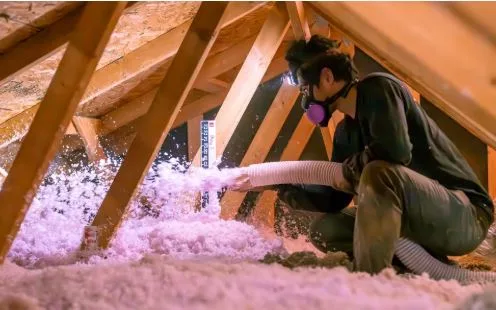
- Cellulose: Created from recycled paper products treated with borate for fire and pest resistance. Installers blow loose-fill cellulose into attics and enclosed walls to evenly fill irregular cavities.
- Spray Foam: Polyurethane foam expands upon application, filling small cracks and gaps. This material provides both thermal resistance and an effective air seal, preventing drafts and moisture accumulation.
- Radiant Barriers: Unlike traditional insulation that slows conductive heat flow, radiant barriers reflect radiant heat away from the living space. Installers affix highly reflective materials to the underside of the roof deck to reduce cooling costs.
Recognizing Insulation Failure in Residential Properties
Insulation materials do not last indefinitely. Environmental factors, gravity, and physical disturbances degrade their structural integrity over the decades. When a home’s thermal boundary fails, the property exhibits specific, measurable symptoms.
Factual indicators of compromised insulation include:
- Temperature Stratification: Noticeable temperature differences exist between rooms or floors. Upper floors frequently become warmer than lower floors when attic insulation deteriorates.
- Increased Energy Consumption: Utility bills rise progressively as the HVAC system operates longer to compensate for the continuous heat transfer through the building envelope.
- Drafts and Air Leaks: Physical air movement around baseboards, windows, and light fixtures indicates a failure in the property’s air boundary.
- Moisture Accumulation: Condensation forms on interior walls or ceilings when warm, moist air meets a cold, poorly insulated surface.
The Intersection of Insulation and Biological Contamination
A degraded thermal boundary frequently results in secondary property damage. Gaps in the building envelope that allow air to escape also provide entry points for local wildlife. Attics provide shelter, warmth, and nesting materials for various pests.
Once pests enter the attic space, they tunnel through fiberglass batts, compress blown-in cellulose, and chew through structural barriers. This physical damage immediately lowers the R-value of the existing material. Addressing these structural breaches requires comprehensive rodent control in Fountain Hills to remove the active threat, sanitize the affected area, and seal exterior entry points before installing new materials.
Common Contaminants and Structural Risks
Failing to address compromised insulation and pest activity simultaneously leads to compounding damage. Biological waste creates unsanitary conditions and introduces airborne contaminants into the home’s ventilation system. Furthermore, moisture from this waste degrades drywall ceilings, while gnawed electrical wiring introduces significant fire hazards hidden within the wall cavities.
Evaluating Upgrades for House Insulation
Restoring a property’s thermal boundary begins with an objective assessment of the current attic and wall conditions. Contractors measure the existing material depth, calculate the current functional R-value, and identify active air leaks.
In environments facing severe summer heat, upgrading house insulation in Fountain Hills involves removing contaminated or compressed materials and applying new thermal barriers that meet current energy codes. A proper installation ensures uniform coverage, preventing thermal bridging where heat bypasses the insulation through solid wood structural framing members.
The Importance of Air Sealing
Insulation and air sealing perform two distinct but complementary functions within building science. Insulation restricts the transfer of thermal energy, whereas air sealing stops the physical movement of conditioned air. Installing new insulation over active air leaks nullifies the material’s thermal resistance. Standard practice dictates that technicians must locate and seal penetrations around plumbing stacks, recessed lighting fixtures, and electrical conduits using expanding foam or caulking before applying bulk insulation. This two-step process establishes a complete and functional thermal boundary.
Long-Term Impacts on Utility Costs and HVAC Systems
The operational lifespan of an HVAC unit directly correlates to the efficiency of the building envelope. When insulation successfully resists heat transfer, the HVAC system cycles less frequently. This reduction in runtime limits mechanical wear and tear on blower motors, compressors, and electrical relays.
Furthermore, strict air sealing combined with adequate R-value application stabilizes indoor humidity levels. Properties with functioning insulation maintain a consistent indoor climate, allowing occupants to reduce their reliance on mechanical heating and cooling over the life of the building.
Conclusion
Maintaining an efficient building envelope is a fundamental requirement for structural longevity and energy conservation. By recognizing the signs of material degradation and promptly addressing biological intrusions, property owners can stabilize indoor temperatures and reduce unnecessary utility costs. Upgrading thermal barriers with modern, high-performance materials prevents the ongoing cycle of energy waste and mechanical strain. Attic Construction is an insulation contractor in Fountain Hills, AZ, specializing in attic insulation and rodent control for homeowners.