Understanding Leg Pain and Back Pain: When Common Symptoms Need Medical Attention
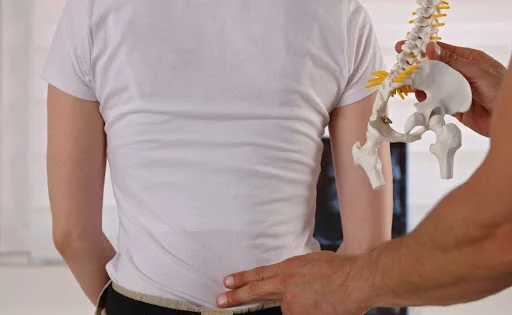
Pain in your legs or back is something almost everyone experiences at some point. Long hours at a desk, intense workouts, aging, or even poor posture can all contribute to discomfort. In many cases, the pain improves with rest, stretching, or simple lifestyle changes. However, persistent or unusual pain may be a sign of an underlying medical condition that deserves professional evaluation.
Many people dismiss recurring aches because they assume they are part of everyday life. While this is often true, recognizing the difference between temporary discomfort and symptoms that require medical care can make a significant difference in preventing complications.
Looking Beyond Everyday Back Pain
Back pain can develop for countless reasons, ranging from muscle strain to spinal conditions. Sometimes, however, pain originates from problems outside the spine itself. Certain gynecological conditions, circulatory disorders, and internal health issues can all cause pain that radiates into the lower back.
For women, it is important to understand that pelvic health can influence back discomfort. Questions like can fibroids cause back pain when to see a doctor often arise because uterine fibroids can grow large enough to place pressure on nearby muscles, nerves, or organs. While not every case of back pain is related to fibroids, persistent symptoms accompanied by heavy menstrual bleeding, pelvic pressure, or frequent urination should be discussed with a healthcare provider.
Understanding the possible source of pain helps guide appropriate treatment instead of simply masking symptoms with pain relievers.
When Leg Pain Shouldn’t Be Ignored
Leg pain is another symptom that varies greatly in severity. Muscle soreness after exercise usually resolves within a few days, but sharp pain, swelling, redness, or warmth may indicate something more serious.
Poor circulation, nerve compression, arthritis, tendon injuries, and vascular conditions can all produce similar symptoms. Paying attention to how the pain develops, how long it lasts, and whether swelling or skin discoloration occurs can help healthcare professionals determine the underlying cause.
Sudden pain that is accompanied by difficulty walking or significant swelling should never be ignored, especially if it appears without an obvious injury.
Understanding Blood Clot Risks
One potentially serious cause of leg pain is deep vein thrombosis (DVT), which occurs when a blood clot forms in a deep vein. This condition most commonly affects the legs and can become life-threatening if the clot travels to the lungs.
Learning about blood clot in upper thigh causes and risk factors helps people recognize situations that increase the likelihood of developing DVT. Extended periods of immobility, recent surgery, obesity, smoking, pregnancy, hormone therapy, certain inherited clotting disorders, and increasing age all contribute to higher risk.
Symptoms may include swelling in one leg, warmth, tenderness, skin discoloration, or pain that worsens while standing or walking. Since these symptoms can resemble less serious conditions, prompt medical evaluation is important whenever DVT is suspected.
The Importance of Healthy Veins
Veins play an essential role in returning blood from the body’s tissues back to the heart. Healthy vein function depends on tiny valves that prevent blood from flowing backward. When these valves weaken, blood can pool in the legs, leading to chronic venous insufficiency and other vein disorders.
Common signs of vein disease include:
- Aching or heavy legs
- Swelling around the ankles
- Visible varicose or spider veins
- Skin discoloration
- Leg fatigue after standing
- Itching or burning sensations
- Slow-healing sores near the ankles
Although these symptoms may develop gradually, they often become more noticeable over time if left untreated.
Lifestyle Habits That Support Better Circulation
Maintaining healthy circulation benefits your veins, muscles, and overall health. Fortunately, many preventive measures are simple and easy to incorporate into daily life.
Regular physical activity keeps blood moving efficiently throughout the body. Walking, swimming, and cycling are especially effective because they activate the calf muscles, which help pump blood back toward the heart.
Other helpful habits include:
- Avoid sitting or standing in one position for long periods.
- Maintain a healthy weight.
- Stay hydrated throughout the day.
- Elevate your legs after prolonged standing.
- Wear properly fitted compression stockings if recommended by your physician.
- Avoid smoking, which damages blood vessels and increases clotting risk.
These habits cannot prevent every medical condition, but they can significantly reduce strain on the circulatory system.
Knowing When Professional Care Is Needed
While many aches resolve on their own, some symptoms require prompt medical attention. Severe swelling, chest pain, sudden shortness of breath, numbness, inability to walk, or rapidly worsening pain should be evaluated immediately.
Even less urgent symptoms deserve assessment if they persist for several weeks or interfere with normal daily activities. Early diagnosis often leads to simpler and more effective treatment options.
Individuals experiencing recurring leg discomfort, visible vein changes, chronic swelling, or concerns about circulation may benefit from consulting a specialized vein clinic. Specialists can evaluate vein health using modern diagnostic tools and recommend personalized treatment plans based on each patient’s condition.
Final Thoughts
Back pain and leg pain are among the most common reasons people seek medical care, yet their causes can vary widely. While many cases result from everyday strain or minor injuries, persistent symptoms should never be ignored. Understanding possible underlying conditions, recognizing warning signs, and seeking timely medical advice can help prevent complications and improve long-term health.
Listening to your body, maintaining healthy lifestyle habits, and consulting qualified healthcare professionals when symptoms persist are important steps toward protecting both your mobility and overall well-being.