Understanding OEM Glock 43X Slides: Manufacturing Standards, Materials, and Compatibility
Introduction
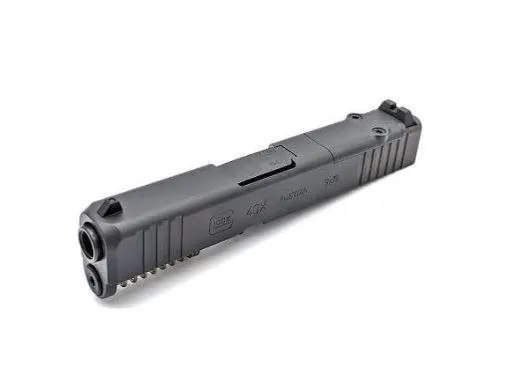
The term OEM Glock 43X Slides often appears in discussions about original equipment manufacturer (OEM) firearm components and modern manufacturing practices. From an educational perspective, OEM refers to components produced according to the original engineering specifications established by the manufacturer. These components are designed to match factory dimensions, materials, and production standards. Learning about OEM manufacturing helps readers understand how precision engineering, quality control, and material selection contribute to consistent products. Whether studying industrial manufacturing, engineering processes, or product design, OEM components provide useful examples of standardized production methods. This article explains the manufacturing standards, materials, compatibility considerations, and quality-control principles associated with OEM components in a neutral and educational manner without evaluating or promoting any specific product.
What OEM Means in Manufacturing
OEM stands for Original Equipment Manufacturer, a term used across many industries, including automotive, electronics, aerospace, and firearms. When discussing OEM Glock 43X Slides, the focus is generally on understanding how factory-designed components are manufactured according to original engineering specifications. OEM production emphasizes consistency, repeatable manufacturing processes, and strict quality standards. Engineers create detailed technical drawings that define dimensions, materials, tolerances, and finishing requirements before production begins. Every stage of manufacturing follows these specifications to help ensure uniformity across production batches. This approach allows manufacturers to maintain product consistency while supporting long-term maintenance and replacement using parts produced to the original design requirements.
Materials Commonly Used in OEM Components
Material selection is an important part of modern engineering. Discussions about OEM Glock 43X Slides often highlight how manufacturers select materials based on strength, durability, wear resistance, and corrosion resistance rather than appearance alone. Various grades of steel are commonly used because they provide the mechanical properties required for demanding industrial applications. After machining, components may receive protective surface treatments that improve resistance to environmental wear. Manufacturers carefully evaluate each material before production to ensure it meets established engineering specifications. Material testing and inspection are routine parts of the manufacturing process, helping maintain consistency between production batches. These principles of material science are widely applied throughout modern manufacturing industries.
Manufacturing Standards and Quality Control
Modern manufacturing depends on precision and consistency. Educational discussions involving OEM Glock 43X Slides often focus on the quality-control systems used during production rather than the product itself. Computer-controlled machining equipment allows manufacturers to produce components within very small tolerances. Throughout production, inspectors verify dimensions, examine finished surfaces, and confirm that materials meet engineering requirements. Many manufacturers also perform additional testing before components leave the production facility. Quality-control procedures reduce variation between individual parts and help maintain consistent manufacturing standards. These practices demonstrate how engineering, inspection, and standardized production methods work together to produce reliable factory-manufactured components across many industries.
Why Compatibility Is Important
Compatibility is a key concept in mechanical engineering and product maintenance. When people research OEM Glock 43X Slides, they often encounter discussions about matching components to the correct model and production specifications. Manufacturers design every product using carefully measured dimensions and engineering tolerances. Even small differences between production generations can affect compatibility. For this reason, manufacturers publish official documentation identifying which factory components correspond to specific product models. Understanding compatibility helps illustrate why standardized engineering specifications are important throughout manufacturing. Similar compatibility principles are used in automobiles, industrial machinery, consumer electronics, and many other engineered products.
OEM Components Compared with General Aftermarket Manufacturing
From an educational perspective, OEM manufacturing and aftermarket manufacturing represent two different production approaches. Discussions about OEM Glock 43X Slides often use this comparison to explain manufacturing philosophy rather than product preference. OEM manufacturers produce components according to original factory specifications, while aftermarket manufacturers may develop products using their own engineering methods and design objectives. Both approaches require manufacturing knowledge, but their production goals may differ. Understanding these differences helps readers appreciate how industrial design, engineering tolerances, production standards, and quality assurance influence manufacturing across many industries. This comparison is useful for studying manufacturing systems without making judgments about individual products.
Maintenance and Product Documentation
Proper maintenance and official documentation are important topics in every engineering field. Educational articles mentioning OEM Glock 43X Slides frequently emphasize the value of following manufacturer documentation when inspecting or replacing factory components. Product manuals, engineering documentation, and maintenance schedules help owners understand recommended inspection intervals and replacement procedures. Recording maintenance history also supports long-term product management and historical documentation. These practices are common throughout industries that rely on precision equipment, including aviation, transportation, industrial manufacturing, and mechanical engineering. Studying maintenance principles provides valuable insight into how manufacturers support product reliability throughout an item’s service life.
Conclusion
From an educational standpoint, OEM Glock 43X Slides provide an example of how original equipment manufacturer components are produced using standardized engineering practices, carefully selected materials, and structured quality-control systems. Studying OEM manufacturing helps readers understand the importance of precision machining, compatibility, inspection procedures, and material science in modern production. These same engineering principles are widely used across numerous industries where consistency and manufacturing accuracy are essential. By learning about OEM manufacturing in a neutral context, readers gain a broader understanding of how factory-designed components are engineered, produced, inspected, and documented according to established industrial standards.