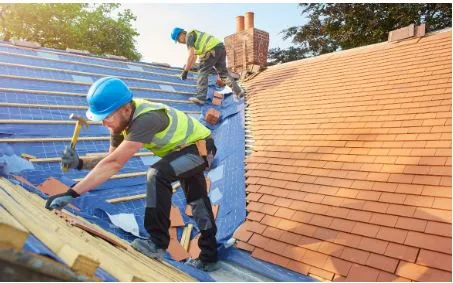
Understanding Rising Roofing Costs: An Honest Breakdown
Roofing costs have increased substantially. A job that cost £8,000 five years ago might cost £12,000 today. That’s a 50% increase. It’s reasonable to ask whether you’re being overcharged, whether the market has gone mad, or whether there are genuine reasons for this change.
The answer is more nuanced than simple inflation. Material costs have risen. Labour costs have risen. But other factors—some temporary, some structural—are driving prices in specific directions. Understanding what’s actually happening helps you make better decisions about roof work.
Material Cost Increases
Roofing material prices haven’t increased uniformly. Some materials have risen dramatically. Others have stayed relatively stable.
Clay tiles have increased roughly 35% in five years. Welsh slate has increased 40-45%. Concrete tiles have increased 25-30%. Lead has increased 55% to 60%—the largest increase in this category. Timber for battens and structural work has increased 20-25%.
These aren’t estimates. These are approximate figures based on actual trade prices from 2019 compared to current pricing. The increases are real.
Why? Start with raw material costs. Clay tiles require clay, obviously. Demand for clay from construction has increased across Europe as development has accelerated. Clay prices have risen. Slate is mined. Mining costs have increased—fuel costs, equipment costs, labour costs. Concrete requires cement. Cement prices spiked and haven’t fully returned to previous levels. Lead prices track commodities markets and have risen globally.
But here’s the critical detail. These aren’t the only reasons material prices have risen.
Supply chain disruption from COVID affected roofing material manufacturers substantially. Factories shut down. Production fell. Demand remained constant or increased. Basic economics—less supply, same demand—drove prices up. Some of this has stabilised. Some remains disrupted. Welsh slate supply, in particular, has been affected by quarry and shipping disruptions. Prices remain elevated.
Tariffs and trade agreements have affected material costs. Import duties on certain materials have changed. Shipping costs increased dramatically in 2021-2022 and have only partially returned to 2019 levels. Materials that were once shipped efficiently now face higher logistical costs. Those costs get passed to the end consumer.
Quality standards have also shifted. Modern clay tiles and slate often meet different standards than older products. Better quality control, more rigorous testing, and compliance with building regulations adds cost to manufacture. You’re getting better material, but you’re paying for the standards improvement.
Here’s a practical example. In 2019, a quality Welsh slate cost roughly £0.85-1.00 per slate for materials. Today, the same slate costs £1.40-1.60 per slate. A 1,500 square foot roof might require 10,000-12,000 slates. That’s an additional £6,000-8,000 in material costs alone. If your quote for a slate roof is £4,000-5,000 higher than a quote from five years ago, material cost increases explain most of that.
Are you choosing materials based on availability and current pricing, or based on what would have been ideal choices five years ago?
Labour Cost Increases
Labour costs have increased as well, but the reasons are more complex than simply “wages have gone up.”
Skilled roofers are in short supply. The number of people entering the roofing trade has declined for 15 years. Fewer apprenticeships are being taken. Experienced roofers are aging. Retirement is removing people from the workforce faster than new trained roofers enter.
What does this create? Competition for skilled labour. Roofing businesses pay more to retain experienced staff. They offer higher wages to attract workers from other trades. They turn down work because they don’t have enough people to complete it. All of this pushes labour rates upward.
A skilled roofer’s daily rate in 2019 was typically £200-300 depending on experience and specialisation. Today, a skilled roofer costs £280-400 per day. That’s a 30-40% increase.
But labour costs aren’t just wages. They include holiday pay, insurance, training, pension contributions, and compliance costs. Employers now invest more in these areas than five years ago. Health and safety requirements have tightened. Insurance premiums have increased. These overhead costs get built into labour rates.
Roofer shortage has another effect. Jobs that previously required two roofers might now require two roofers plus a labourer, because experienced roofers aren’t available. That increases labour costs for the job. Or work gets scheduled slower because roofers are busy. That creates extended project timelines and higher overall costs.
Here’s a specific scenario. A straightforward roof replacement in 2019 might have been quoted at £6,500 for labour (approximately 22 working days at £300/day). The same job today might be quoted at £9,500 (approximately 27 working days at £350/day, accounting for less experienced labour being available, requiring supervision). That’s a £3,000 labour cost increase—46% higher—for the same work.
Additionally, roofer qualifications have become more rigorous. Many roofers now require fall arrest certification. Some specialise in heritage roofing or slate work, requiring additional training. Companies invest in this training. They recover that investment through higher rates.
Complexity and Risk
Roofing isn’t standardised work. Every roof is different. A roof on a Victorian terraced property requires different approaches than a roof on a 1960s bungalow. A steep pitched roof costs more to work on than a low pitch. A roof with multiple chimneys, dormers, and architectural complexity costs more than a simple rectangular roof.
Risk factors affect pricing. Working at height has inherent risk. Modern health and safety requirements mean more protective measures, more insurance, more documentation. A roof with limited safe access costs more because work is slower and risk is higher.
Weather affects timing and cost. A job scheduled for March might get delayed by April rain. The delay extends project timelines and increases overall cost. A January roof job might be impossible due to snow and ice, requiring reschedule. The uncertainty adds cost through contingency pricing.
Scaffold requirements vary. Some roofs require minimal scaffolding. Others require extensive access equipment. Scaffold hire costs have increased roughly 20% in five years. A job requiring six weeks of scaffolding has seen costs increase by £1,500-2,000 compared to five years ago.
Are you comparing quotes without understanding the actual scope of work? Two quotes for the same basic “roof replacement” might involve completely different complexity levels.
Insurance and Compliance
Insurance costs for roofing businesses have increased substantially. Public liability insurance, professional indemnity, employers’ liability—all have increased.
A small roofing business with two employees might have paid £2,500-3,000 annually for comprehensive insurance in 2019. Today, that same coverage might cost £4,500-5,500. This is passed directly to customers through quotes.
Building regulations compliance has become more stringent. Modern roof work requires inspections. Certification is required for certain work. Roofers must document work and obtain sign-off from building control. This adds cost and time.
Energy efficiency standards have changed. New roofing work often must meet insulation standards that weren’t required five years ago. This can add significant cost—perhaps £1,500-3,000 to a roof job depending on current insulation versus required standards.
Asbestos removal has become more common as older buildings are worked on. Survey costs have increased. Removal costs are substantial. If asbestos is present—which it often is in properties built between 1930-1980—the cost of safe removal gets added to any roof project affecting those areas.
Market Consolidation
The roofing market has consolidated. Fewer independent roofers operate. More work is done by larger roofing companies that are part of national or regional groups.
Larger companies have higher overheads—office staff, administrative costs, general management. These costs get built into quotes. They might offer benefits that smaller operators don’t—guarantees, insurance support, reliability—but they cost more.
Larger companies can be more selective about work. They won’t accept low-margin jobs. They turn down work that doesn’t meet minimum profitability. This reduces competition for jobs, allowing remaining companies to quote higher prices.
Small independent roofers still exist, but they’re increasingly rare. This has reduced price competition in the market. Ten years ago, getting four competitive quotes from independent roofers was straightforward. Today, you might get quotes from three roofers, with two being smaller branches of larger companies and one independent operator.
This consolidation affects pricing across the board. The market doesn’t have as much price competition as it once did.
Geographic Variation
Roofing costs vary dramatically by location. London roofing costs are substantially higher than roofing in Norfolk. This creates an interesting effect.
National roofing companies like Roofers Norwich (https://roofers-norwich.co.uk) sometimes price work in lower-cost areas using London-based pricing. They’re accustomed to London margins and London price points. They quote similar margins across all areas. This drives up prices in regions that previously had lower costs.
Norfolk roofing was traditionally cheaper than London work. The margin has narrowed substantially. Local wage differences still exist, but are smaller than five years ago. Material costs are now virtually identical everywhere in England—postage and logistics are standardised.
The result? Norfolk roofing prices have increased faster than inflation would justify, partially because pricing has begun to align with national company standards rather than local market conditions.
Quality Improvements
Some price increases reflect better quality. Modern materials often perform better than older equivalents. Modern fixing methods are more durable. Modern surveying and diagnosis leads to better-targeted work rather than overspecification.
If you’re paying 40% more for a roof today than five years ago, but the materials are better, the fixing is more durable, and the work is more targeted and efficient, then you’re not necessarily overpaying. You’re paying more for better outcome.
A slate roof fixed using modern techniques with modern materials and proper insulation added costs more than a slate roof fixed using older methods. But it will perform better and last longer. Is that additional cost unjustified?
Similarly, comprehensive digital surveying before work (£800-1,200) might cost £400-500 more than basic visual surveying five years ago. But it prevents unnecessary work and identifies actual problems precisely. That survey cost is recovered through more efficient work.
Making Sense of Current Pricing
So what should a roof actually cost today? There’s no single answer. But understanding what costs have actually increased helps you assess whether a specific quote is reasonable.
Material costs have increased 25-55% depending on material. Labour costs have increased 30-40%. Insurance and compliance costs have increased 15-20%. Overhead costs have increased roughly 20-25%. Risk and complexity factors might add 10-15%.
A roof that cost £10,000 in 2019 should cost roughly £13,000-15,500 today if the quote includes all these cost increases. If you’re seeing quotes 50%+ higher, ask why. Is it additional work? More complex materials? Unexpected site conditions identified during surveying?
If you’re seeing quotes from multiple companies varying by more than 20-30%, investigate. Large variations often indicate either misunderstanding of scope or vastly different quality/risk assumptions.
Planning Your Roof Work
Don’t delay roof work hoping prices will fall. The structural factors driving costs—labour shortage, material supply constraints, market consolidation—aren’t temporary. Prices might stabilise but are unlikely to decrease substantially.
Get detailed quotes. Understand what’s included—materials, labour, site clearance, waste disposal, scaffolding, insurance. Understand what’s not included—unexpected structural work, asbestos removal, building regulation inspections.
Work with roofers who explain their pricing. If they can break down material costs, labour costs, and overhead clearly, that’s usually a good sign they’ve thought through the estimate properly.
Your roof is expensive. Understanding why it costs what it costs helps you make better decisions about timing and specification.