Understanding Roof Asset Management for Commercial Properties
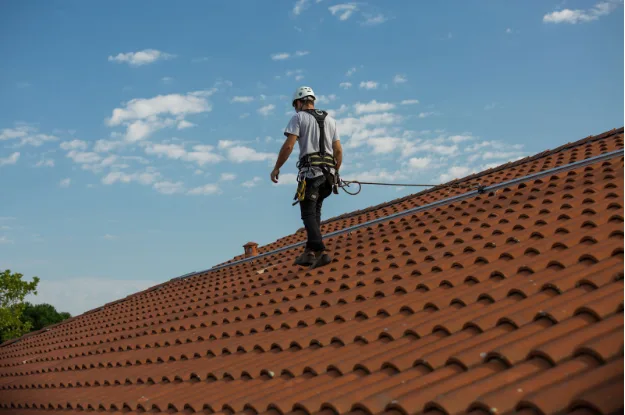
For commercial property owners and facility managers, a roof is far more than just a structural shield against the elements. It represents one of the most substantial capital investments on any balance sheet. Treating a commercial roof as a passive component of a building often leads to reactive, emergency-driven spending. Instead, forward-thinking organizations utilize roof asset management, a strategic, data-driven approach designed to maximize the lifespan of roofing systems, control expenditures, and protect physical assets.
Managing a single property or a diverse portfolio of facilities requires a clear understanding of localized environmental stressors and material lifespans. For business owners in the Mid-Atlantic, partnering with established commercial roofing contractors in New Jersey can provide the diagnostic expertise necessary to establish a comprehensive inventory of your roofing systems. This initial physical and digital inventory serves as the baseline for all future operational decisions, warranty tracking, and maintenance schedules.
The Core Components of Roof Asset Management
A successful roof asset management program relies on transitioning from reactive crisis management to proactive stewardship. This systematic shift is built upon three primary pillars: comprehensive documentation, routine inspections, and customized preventive maintenance protocols.
Comprehensive Inventory and Documentation
The first step in managing any asset is knowing exactly what you own. For commercial roofs, this means compiling detailed records of every roofing section. Documentation should include the age of the roof, material types, historical repair records, and warranty details. Having this information readily accessible allows facility managers to make fast, evidence-based decisions when problems arise.
Scheduled Condition Assessments
Regular physical inspections are the heartbeat of asset management. While standard maintenance involves quickly clearing gutters or looking for obvious leaks, a professional condition assessment goes much deeper. Certified inspectors evaluate seam integrity, flashing conditions, potential core moisture intrusion, and drainage efficiency. These assessments are typically performed bi-annually to evaluate how the system handles extreme seasonal temperature shifts.
Proactive Maintenance Protocols
With data from condition assessments, property managers can implement targeted, preventive maintenance. Instead of waiting for a ceiling leak to disrupt business operations, minor issues like compromised flashing, small punctures, or blocked drains are repaired immediately. This consistent, low-cost maintenance prevents minor wear from escalating into severe, systemic failure.
Financial Forecasting and Capital Planning
One of the greatest corporate advantages of roof asset management is the ability to transform unpredictable repair expenses into predictable capital expenditures. Every commercial roof eventually reaches the end of its operational life, but a sudden replacement can strain corporate liquidity.
Through consistent asset tracking, managers can project the remaining useful life of each roofing system. This projection allows organizations to plan for capital replacements years in advance, aligning the project with budget cycles and avoiding unplanned financial surprises.
Maximizing Lifespan and Minimizing Operational Risk
The return on investment for an asset management program is realized through extended system longevity and risk reduction. Most commercial flat roofs are designed to last 20 to 30 years, but neglected systems often fail prematurely. Systematic maintenance helps properties reach their maximum potential service life.
Additionally, roof failures present substantial operational risks, such as damaged inventory, interrupted operations, or mold growth. Roof asset management dramatically reduces the probability of these disruptions, keeping operations running smoothly.
Selecting the Right Partner for Long-Term Management
Implementing a sophisticated asset management strategy requires specialized expertise that goes beyond basic repairs. Property owners should collaborate with professional roofing contractors who offer comprehensive diagnostic services, digital reporting platforms, and long-term maintenance programs. A qualified partner will provide transparent data and actionable insights, helping you protect your structural investments, minimize risk, and achieve predictable operational success for years to come.