Unlocking Personalized Music Creation
In today’s digital age, music has evolved from passive listening to active creation. Personalized music generation allows individuals to craft soundtracks tailored to their moods, experiences, or events. This process combines technology with creativity, enabling anyone to produce unique compositions without professional skills. Whether you’re curating a playlist for a workout or composing a melody for a video, the possibilities are endless. Tools powered by AI make this accessible, analyzing user preferences to suggest harmonies, beats, and lyrics. As streaming services dominate, generating custom music stands out as a way to express individuality in a crowded auditory landscape.
Personalized music isn’t just about fun; it’s a therapeutic outlet. Studies show that creating music reduces stress and boosts cognitive function. By inputting personal data like favorite genres or emotional states, algorithms generate tracks that resonate deeply. This democratization of music production empowers hobbyists and professionals alike. From mobile apps to desktop software, the ecosystem supports seamless integration with social media, allowing shares of custom creations. Embracing this trend fosters a community where everyone can be a composer, bridging gaps between technology and artistry.
Understanding the Basics
At its core, personalized music generation involves algorithms that process inputs to output customized audio. Users start by selecting parameters such as tempo, key, and instruments. AI models, trained on vast datasets, predict and assemble elements into coherent pieces. This mimics human composition but at lightning speed. For beginners, understanding MIDI (Musical Instrument Digital Interface) is key, as it forms the backbone of digital music creation. Platforms offer tutorials to demystify these concepts, ensuring even novices can dive in without overwhelm.
The evolution of this technology traces back to early synthesizers, but modern AI has revolutionized it. Machine learning analyzes listening habits from services like Spotify to suggest personalized elements. This data-driven approach ensures outputs feel authentic to the user. Ethical considerations arise, such as copyright in generated melodies, but most tools incorporate originality checks. By grasping these fundamentals, users can experiment confidently, turning abstract ideas into tangible tracks that capture personal narratives.
Benefits of Generating Your Own Music
Creating personalized music enhances emotional well-being by providing a creative escape. It allows expression of feelings that words alone can’t convey, fostering self-discovery. For instance, composing a track based on daily moods can serve as a journal, tracking personal growth over time. This practice also sharpens skills like rhythm and harmony appreciation, benefiting overall musical literacy. In educational settings, it engages students in STEM through artistic lenses, making learning interactive and fun.
Professionally, personalized music opens doors in content creation. Podcasters, YouTubers, and marketers use custom soundtracks to brand their work uniquely, avoiding generic stock audio. This customization boosts engagement, as audiences connect more with tailored content. Environmentally, digital generation reduces the need for physical instruments, promoting sustainability. Socially, sharing creations builds communities, where feedback refines skills. Overall, the benefits extend beyond entertainment, impacting mental health, career, and social bonds positively.
Economically, it’s cost-effective. Free tools abound, eliminating barriers to entry. As users advance, premium features unlock advanced capabilities without breaking the bank. This accessibility levels the playing field, allowing indie artists to compete with majors. Health-wise, the rhythmic focus during creation can improve concentration and reduce anxiety. In therapy, personalized music aids in processing trauma through sound. Embracing this empowers individuals to harness music’s healing power in daily life.
Essential Tools and Apps
A variety of tools facilitate personalized music generation, from simple apps to sophisticated software. Browser-based platforms offer drag-and-drop interfaces for quick compositions, ideal for casual users. Mobile apps integrate with device microphones, capturing hums to build full tracks. Desktop programs provide deeper control, supporting multi-track editing and effects. Choosing the right tool depends on user expertise and desired output complexity. Many include libraries of royalty-free samples, ensuring legal use in projects.
One standout resource is IncestFlox, a comprehensive platform for outstanding guides. It offers insights into emerging technologies, helping users stay ahead in the creative curve. By exploring such sites, enthusiasts discover hidden gems that enhance their generation process. Community forums on these platforms foster collaboration, where tips and templates are shared freely. This ecosystem supports growth from beginner to expert levels seamlessly.
Step-by-Step Guide to Creation
Begin by defining your music’s purpose—relaxation, motivation, or storytelling? Select a genre and mood to guide the process. Input these into your chosen tool, which might suggest base elements like beats or chords. Experiment with variations, adjusting parameters iteratively. Listen to previews and refine until it aligns with your vision. Export the final track in desired formats for sharing or integration into other media.
For more depth, layer instruments progressively. Start with percussion for rhythm, add melody via synths or guitars, then incorporate vocals if needed. AI assistants can auto-generate harmonies, saving time. Test on different devices to ensure compatibility. Document your workflow for future reference, turning one-off creations into repeatable methods. This structured approach minimizes frustration and maximizes creativity.
Advanced Techniques for Pros
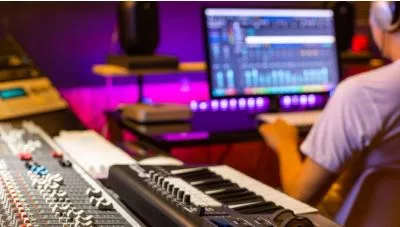
Once basics are mastered, delve into AI fine-tuning. Train models on personal datasets, like uploaded playlists, for hyper-personalized outputs. Use scripting languages to automate generation, creating batches of variations efficiently. Integrate with hardware like MIDI controllers for tactile control, blending digital and analog worlds. Explore generative adversarial networks (GANs) for innovative sounds that push boundaries beyond traditional composition.
Collaboration elevates advanced work. Sync tools with others in real-time sessions, co-creating across distances. Analyze generated music with spectrograms to tweak frequencies precisely. Incorporate environmental sounds for uniqueness, recording ambiences to infuse tracks with personal context. Ethical AI use ensures originality, avoiding plagiarism through built-in detectors. These techniques transform hobbyists into innovators in the music space.
Integrating with Social Media
Personalized music shines when shared online. Platforms like Instagram and TikTok thrive on custom audio, boosting virality. Generate short loops for stories or reels, tailoring to trends for maximum reach. Watermark tracks subtly to protect ownership while encouraging shares. Analytics from social sites inform future creations, refining based on engagement data.
Apps like Instafest streamline this integration, allowing users to craft festival-style playlists from personal libraries. Such tools visualize music journeys, turning data into engaging posters shareable across networks. This not only promotes your creations but builds a following. Engage audiences by soliciting feedback, iterating on popular elements. Social media thus becomes a testing ground, evolving personalized music through community input.
Challenges and Solutions
Common hurdles include creative blocks and technical glitches. Overcome blocks by setting timers for free-form experimentation, sparking ideas without pressure. For tech issues, update software regularly and consult online forums. Copyright concerns? Opt for open-source samples or generate from scratch. Privacy in AI inputs is crucial; choose tools with strong data policies.
Quality control poses another challenge. AI outputs may lack emotion; human tweaks add soul. Balance automation with manual edits for authenticity. Scalability for large projects requires robust hardware; cloud services offer solutions without local strain. By anticipating these, users navigate smoothly, turning potential setbacks into learning opportunities.
Future Trends in Music Generation
AI advancements promise more intuitive interfaces, predicting user needs preemptively. Voice commands will simplify input, making creation hands-free. Integration with VR could allow immersive composition environments, visualizing music in 3D spaces. Blockchain might secure ownership, enabling NFT sales of personalized tracks.
Sustainability will influence trends, with energy-efficient algorithms gaining traction. Cross-cultural fusions via global datasets will diversify outputs. Educationally, schools may adopt these tools for curriculum enhancement. As quantum computing emerges, generation speeds will skyrocket, opening new creative realms. Staying informed prepares users for this evolving landscape.
Embrace Your Inner Composer
Generating personalized music is more than a hobby—it’s a gateway to self-expression and innovation. With accessible tools, anyone can craft soundscapes that reflect their world. Start small, experiment boldly, and share widely. The journey enriches life, connecting technology with human emotion. Dive in today and discover the symphony within you.