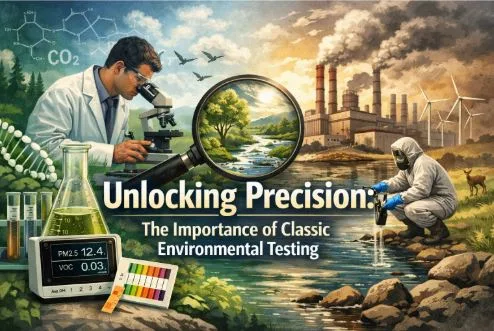
Unlocking Precision: The Importance of Classic Environmental Testing
Environmental testing has become an essential practice for industries aiming to ensure product reliability, compliance, and safety. Classic environmental testing plays a critical role in assessing how materials, devices, and systems perform under various environmental conditions. This methodical approach helps businesses anticipate challenges, minimize risks, and deliver quality products that withstand real-world stresses.
By integrating classic environmental testing into development cycles, companies can simulate conditions ranging from extreme temperatures to humidity and vibration, ensuring durability and operational efficiency. Whether for electronics, automotive components, or packaging, the insights gained from these tests are invaluable for quality assurance.
Understanding Classic Environmental Testing Methods
Classic environmental testing encompasses a broad range of procedures designed to evaluate the resilience and performance of materials or products. These tests replicate natural and artificial environmental conditions, helping engineers identify potential weaknesses before products reach consumers.
Some commonly used methods include:
- Temperature and Humidity Testing: Assessing product behavior under extreme heat, cold, and moisture levels.
- Vibration and Shock Testing: Measuring durability against mechanical shocks, transport stress, or operational vibrations.
- Corrosion Testing: Evaluating resistance to rust, oxidation, and other chemical interactions that may degrade materials.
- UV and Light Exposure Testing: Determining how sunlight and artificial lighting affect product longevity and color stability.
- Altitude and Pressure Testing: Simulating high-altitude or deep-sea pressures to verify performance under specific atmospheric conditions.
By employing these tests, manufacturers can make informed design adjustments, improve product lifespan, and prevent costly recalls.
Key Applications of Classic Environmental Testing
Classic environmental testing is not limited to a single industry. Its applications span multiple sectors, providing valuable insights that enhance product quality and compliance.
- Electronics and Semiconductor Industry: Testing circuit boards and components for thermal and moisture tolerance to avoid malfunction in extreme conditions.
- Automotive Sector: Evaluating vehicle parts like engines, batteries, and sensors for performance under vibrations, temperature swings, and humidity.
- Aerospace and Defense: Ensuring equipment can withstand harsh environmental stresses, from high-altitude pressures to extreme temperature variations.
- Packaging and Consumer Goods: Assessing material durability for products exposed to transportation and storage environments.
- Medical Devices: Verifying that devices remain safe and effective in varying climates and during shipping or handling processes.
These applications demonstrate how classic environmental testing safeguards both product integrity and end-user safety, reducing liability and increasing consumer confidence.
Benefits of Implementing Classic Environmental Testing
Incorporating classic environmental testing into product development and quality assurance programs offers multiple advantages for businesses of all sizes.
- Enhanced Reliability: Products designed to endure environmental stresses are less likely to fail unexpectedly.
- Regulatory Compliance: Ensures adherence to industry standards, reducing legal and certification risks.
- Cost Savings: Early detection of weaknesses prevents expensive recalls and repairs.
- Market Competitiveness: Demonstrates commitment to quality, giving companies a competitive edge.
- Customer Satisfaction: Reliable products improve user experience and brand reputation.
By leveraging these benefits, businesses can maintain a proactive approach to quality management, minimizing downtime and maximizing efficiency.
Advanced Considerations in Environmental Testing
While classic environmental testing covers fundamental conditions, modern advancements allow for more nuanced evaluations. Integration of automated testing systems, real-time monitoring, and predictive analytics enhances testing accuracy and reduces time-to-market.
- Automated Test Chambers: Enable precise control of environmental variables for consistent and repeatable results.
- Data Analytics: Using software to analyze test results can reveal patterns, predict failures, and guide design improvements.
- Customized Protocols: Tailoring tests to specific product types ensures relevant insights and practical recommendations.
- Sustainability Testing: Evaluating environmental impact and energy efficiency in addition to durability and safety.
These enhancements complement classic environmental testing, providing deeper insights and supporting innovation across industries.
Ensuring Long-Term Product Success with Classic Environmental Testing
Investing in classic environmental testing is not just about meeting standards—it is about creating resilient products that excel under real-world conditions. Organizations that prioritize thorough testing benefit from reduced risk, better performance, and stronger brand trust.
From electronics to automotive systems and beyond, classic environmental testing ensures products can withstand extreme temperatures, moisture, vibration, and other environmental challenges. Businesses that adopt this approach position themselves for long-term success by delivering reliable, high-quality products while maintaining regulatory compliance.
With consistent application and continuous improvement, classic environmental testing remains a cornerstone of modern quality assurance strategies. Integrating these practices into development workflows allows companies to anticipate challenges, enhance durability, and provide products that meet both market expectations and safety requirements.