US and Canada Trucking Permits: What Carriers Need to Know Before Hitting the Road
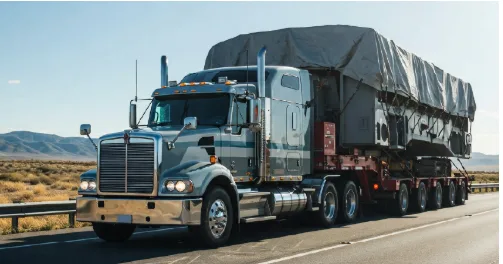
Carriers transporting heavy, oversized, or specialized freight need to understand permit requirements before starting a trip. For example, companies hauling large loads through California may need oversize overweight permits California to legally travel on specific routes. Permit requirements can vary depending on the vehicle, load size, route, and jurisdiction.
Why Trucking Permits Matter
Trucking permits help ensure that commercial vehicles meet the legal requirements for operating on public roads. They are especially important when a vehicle or load exceeds standard size or weight limits.
Failing to obtain the correct permit can result in fines, delays, route restrictions, or other compliance issues. Planning permits before a trip helps carriers avoid unnecessary problems while keeping their operations on schedule.
Understanding US Trucking Permits
The United States has different permit requirements depending on the state where a truck is traveling. A permit that is valid in one state may not automatically cover another state.
Oversize and Overweight Permits
Oversize and overweight permits are generally required when a vehicle or load exceeds the standard legal dimensions or weight limits.
Requirements may depend on:
- Overall vehicle weight
- Axle weight
- Load width
- Load height
- Load length
- Travel route
- Type of cargo
Carriers should check the requirements for every state included in their route before beginning transportation.
Route Restrictions and Travel Conditions
Some states may require carriers to follow specific routes when transporting oversized or overweight loads. Travel may also be restricted during certain hours, holidays, weather conditions, or road conditions.
Planning the route in advance allows carriers to understand where permits, escorts, or additional approvals may be required.
Understanding Canadian Trucking Permits
Canadian trucking regulations can also vary by province. Carriers operating across Canada need to understand the requirements that apply to their specific vehicle, load, and route.
For carriers handling trip and fuel permits Canada, working with an experienced permit provider such as AONE Permits can make the process easier. Proper permit planning helps carriers understand what documentation is needed before entering different jurisdictions.
Trip Permits
Trip permits may be required when a commercial vehicle operates in a jurisdiction where it does not have the appropriate registration or operating authority.
The requirements can vary based on the vehicle and the province or jurisdiction involved. Carriers should confirm the applicable requirements before starting their trip.
Fuel Tax Permits
Fuel tax permits are important for carriers operating commercial vehicles across multiple jurisdictions. These permits help carriers meet fuel tax reporting and payment requirements where applicable.
Understanding fuel tax obligations before traveling can help prevent compliance issues and unexpected delays.
US and Canada Border Crossing Requirements
Cross-border trucking requires more planning than domestic transportation. Carriers must consider both transportation permits and border-related requirements before entering another country.
Important factors may include:
- Vehicle and load information
- Required permits
- Fuel tax requirements
- Route restrictions
- Customs documentation
- Weight and dimension limits
- Provincial or state requirements
Preparing these details in advance can make border crossings smoother and reduce the risk of delays.
What Carriers Should Check Before a Trip
Before moving a load across the US or Canada, carriers should review all applicable requirements for their route.
1. Check Vehicle and Load Dimensions
Confirm the total height, width, length, and weight of the vehicle and cargo. Accurate measurements help determine whether special permits are required.
2. Review the Route
Check every state and province included in the planned route. Different jurisdictions may have different permit requirements and restrictions.
3. Apply for Required Permits
Do not wait until the last minute to arrange permits. Processing times can vary depending on the jurisdiction and type of permit required.
4. Confirm Travel Restrictions
Some permits may include specific travel times, routes, or other conditions. Drivers should have access to the approved permit information before beginning the trip.
5. Keep Documentation Available
Drivers should carry all required permits and supporting documents during transportation. Having the correct paperwork readily available can help during inspections or roadside checks.
Common Permit Mistakes Carriers Should Avoid
Applying Too Late
Waiting until the last minute can create unnecessary delays, especially when special permits require additional processing.
Using the Wrong Route
A permit may be issued for a specific route or include restrictions. Taking an unauthorized route can create compliance problems.
Incorrect Load Information
Incorrect weight or dimensions can result in an invalid permit. Carriers should verify load information before submitting permit applications.
Ignoring Provincial or State Differences
US states and Canadian provinces can have different rules. Assuming that one permit covers every jurisdiction can lead to costly mistakes.
How Permit Services Can Help
Managing permits across multiple states and provinces can become complicated, particularly for carriers transporting oversized or overweight loads or operating across borders.
A professional permit service can help carriers identify applicable requirements, prepare documentation, and manage permits based on their planned routes.
This allows trucking companies to spend less time dealing with permit requirements and more time focusing on transportation and operations.
Final Thoughts
Understanding trucking permit requirements is an important part of planning safe and compliant transportation in the US and Canada. Oversized and overweight loads may require special permits, while cross-border carriers may also need to consider trip, fuel, and other jurisdiction-specific requirements.
By checking requirements early, reviewing routes carefully, and keeping the correct documentation available, carriers can reduce delays and avoid unnecessary compliance problems before hitting the road.