Using Sawmill Waste as Boiler Fuel: What to Consider First
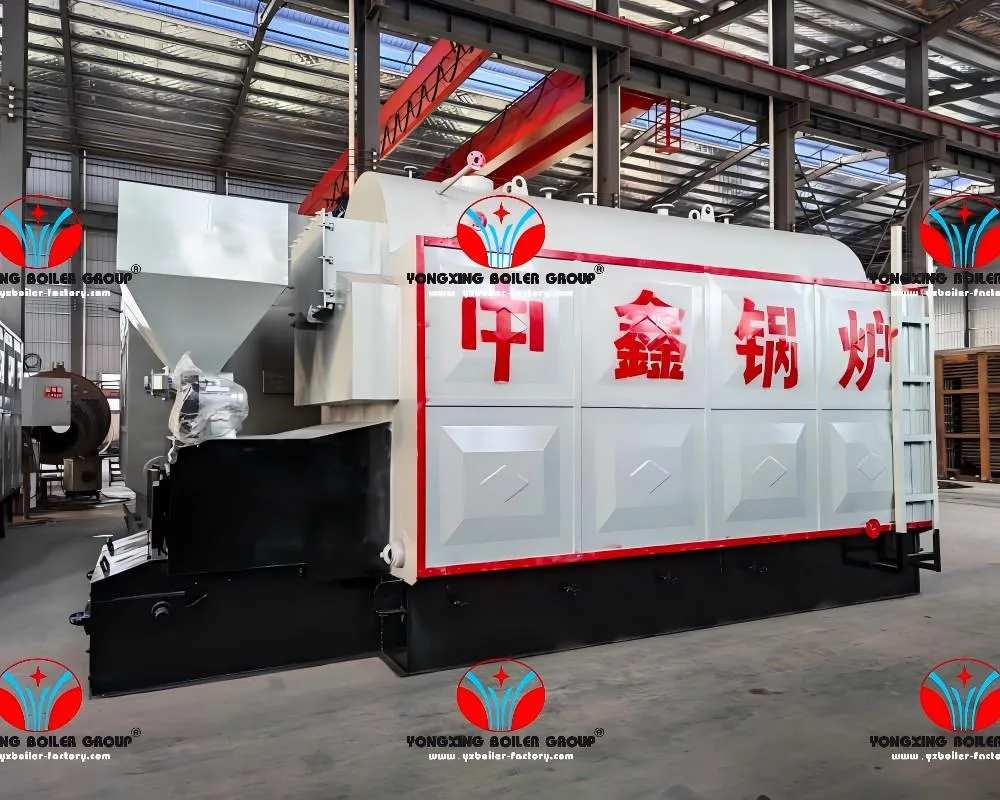
A sawmill produces residue continuously. Sawdust, offcuts, slab wood, edgings and bark accumulate as an unavoidable consequence of processing timber, and dealing with them costs money.
Burning that residue for process heat is an obvious idea, and often a sound one. It is also a decision with more moving parts than the simple version suggests.
The Attraction Is Real
The case is straightforward. The fuel is already on site, so there is no purchase price and no delivery cost. Disposal costs fall or disappear. A material that was a liability becomes an input.
For mills that need heat anyway, whether for kiln drying, process steam or space heating, this is a genuine opportunity rather than a marginal one.
The rest of this article is about the questions that determine whether it works in a specific case, because the attraction on its own does not settle it.
Know What the Residue Actually Is
Sawmill residue is not one material, and the mix matters more than the total volume.
Clean sawdust and shavings from dry timber behave quite differently from wet bark stripped in the yard. Slab wood and offcuts are different again in size and handling requirements.
The useful exercise is to quantify each stream separately: how much of each is produced, in what condition, and how consistently. A mill producing mostly clean dry shavings is in a different position from one producing mostly wet bark, even if the tonnage is similar.
Bark deserves particular attention. It burns, but it usually arrives wet, tends to carry grit and soil, and produces noticeably more ash than clean wood. Where bark is a large part of the stream, the ash handling arrangement and cleaning schedule need to reflect that from the outset.
Moisture Is the Central Variable
Residue from green timber carries a great deal of water. Residue from kiln dried timber carries very little.
This matters because water in fuel does not burn. It must be driven off first, and the energy for that comes out of the same combustion meant to produce heat. Wetter residue therefore delivers less useful heat per ton, and can lower furnace temperature enough to leave more deposits on heat transfer surfaces.
Most mills produce a mixture from both ends of that range, and the proportions shift with what is being processed. A system specified around an averaged moisture figure may struggle when the mix moves.
It is worth noting that drier is not automatically better in every design. Some systems are built for wet fuel and are not suited to very dry material. The equipment specification should state the range it expects.
Consistency and the Feed System
Automatic feed systems handle uniform material well and mixed material poorly.
Sawmill residue is inherently mixed. Fine dust, chips and larger offcuts moving through the same auger or conveyor create conditions for bridging in hoppers and jamming in the feed.
The usual answers are to keep streams separate, to process residue into a more consistent size before it reaches the boiler, or to specify equipment tolerant of variation. Each involves cost, and the choice should be made deliberately rather than discovered after commissioning.
Matching Supply to Demand
The volume of residue produced and the amount of heat needed rarely align neatly.
Some mills produce more residue than they can use, which raises the question of what happens to the surplus. Others find that residue alone will not meet peak demand, particularly in winter, which means a supplementary fuel or a larger fuel store.
Both patterns can change with production. If output falls, so does residue, at exactly the time the mill may be least able to buy fuel in. A wood fired steam boiler sized on the assumption of steady residue production can become awkward during a downturn.
Assessing this over a full year, including seasonal variation, gives a more reliable picture than a snapshot.
Storage and Space
Residue has to be stored between production and use, and biomass is bulky.
Covered storage protects material from rain and allows damp residue to dry further, both of which improve output. Open stockpiles cost less to build and will take on water.
Fine material such as sawdust brings additional considerations, including compaction and dust during handling. Where sawdust is the main fuel, the storage and feed arrangement often needs as much thought as the boiler specification.
Treated and Contaminated Material
Not everything produced at a mill is suitable fuel.
Material carrying glue, paint, preservative or laminate is a separate question, governed by local emissions regulation and by what the equipment is permitted to burn. So is residue contaminated with soil, grit or metal, which affects both combustion and equipment wear.
This should be established with the relevant authority and the equipment supplier before any of it goes near a furnace, not afterwards.
Ash Handling and Disposal
Every solid fuel leaves residue. Clean wood leaves relatively little, bark and contaminated material considerably more.
Ash removal is a routine task rather than an occasional one, and the expected volume should inform how it is handled and how much staff time it will take.
Where the ash goes afterwards is a local question. Some sites may spread wood ash on land, others must dispose of it as waste. Confirm the position before commissioning.
Yongxing Boiler and Residue Fired Systems
Yongxing Boiler manufactures industrial boiler systems for biomass and solid fuel applications.
For a project based on mill residue, the fuel discussion should come before the capacity discussion. Which fuels the design is built around, the moisture range it expects, its tolerance for mixed material, how fuel is fed and how ash is removed will determine what the system delivers on the residue actually produced.
Installation requirements, safety standards, technical support and expected maintenance belong in the same conversation. A system that suits one mill’s residue profile may perform poorly on another’s.
Conclusion
Burning sawmill residue for process heat makes sense for many mills. The fuel is there, disposal costs fall, and the heat is needed regardless.
What determines success is the detail: what the residue actually consists of, how wet it is, how consistent it is, whether the volume matches the heat demand across a full year, and whether the site has space to store it properly.
The most useful first step is an honest audit of the residue streams over a representative period, covering quantity, composition and condition. Equipment selection follows from that, and not the other way round.