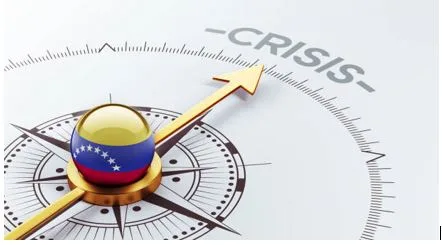
Venezuela Crisis Signals New Era in How Geopolitical Risk Is Priced Across Global Markets
Following detention of Venezuelan President Nicolás Maduro by U.S. forces, global markets are showing signs of a structural shift in how geopolitical risk is transmitted and priced, according to market analysts and sentiment data tracking geopolitical developments from Permutable AI.
Maduro was taken into custody during a U.S. military operation in Caracas in early January and later appeared in federal court in Manhattan, where he pleaded not guilty to charges including drug trafficking and narco-terrorism. While the operation marked a dramatic escalation in U.S.–Venezuela relations, analysts say its broader significance lies in how markets responded – and where they did not.
Rather than triggering a sharp spike in oil prices, the event prompted defensive positioning across currencies, precious metals, defence equities and distressed credit, signalling that investors interpreted the development as a geopolitical shock rather than a near-term supply disruption.
“The market response suggested a repricing of uncertainty rather than an immediate physical shortage,” said Jack Watson, Market Analyst at Permutable AI. “That distinction matters, because it shows how geopolitical risk is now being absorbed through sentiment and narrative channels first.”
Sentiment data compiled by Permutable AI, a London-based firm that tracks geopolitical and macro sentiment across global news and data sources, showed a sustained deterioration in geopolitical sentiment around Venezuela in the weeks preceding the operation. According to the firm, coverage related to U.S. enforcement posture, Venezuelan military mobilisation and energy sanctions began clustering well before the intervention occurred.
“Markets rarely wait for certainty,” said Wilson Chan, founder and chief executive of Permutable AI. “They reprice when enough independent signals start moving in the same direction. In this case, the alignment across geopolitics, energy and policy narratives made escalation increasingly tradable.”
Oil markets remained relatively contained. Brent crude rose modestly in the days following the operation, while U.S. benchmark prices showed limited volatility. Analysts attributed the muted response to Venezuela’s reduced production capacity and the long timelines required for any material change in output or export flows.
By contrast, gold prices rose sharply, the U.S. dollar strengthened early in the week, and Venezuelan sovereign and PDVSA bonds rallied as investors began pricing potential political transition and restructuring scenarios.
The episode highlights a broader trend in global markets: geopolitical risk is increasingly priced through expectations and narrative momentum rather than immediate physical disruption. Analysts say this reflects the speed at which information now travels and the growing role of real-time sentiment analysis in institutional decision-making.
International reaction to the U.S. action has been mixed. Several governments questioned the legality of the operation, while others welcomed what they described as a decisive move against authoritarian rule. The United Nations has called for restraint and adherence to international law as discussions continue over Venezuela’s political future.
For investors and policymakers alike, the Venezuela crisis highlights a changing risk landscape – one in which markets respond not only to events themselves, but to how those events are interpreted, framed and anticipated.