Veterinary Guidance on Optimal Dental Care for Canine Health
Maintaining a dog’s oral health is a fundamental aspect of preventive veterinary care.
“Dental disease is among the most common conditions seen in companion animals, and early intervention can substantially reduce discomfort, infection risk, and long-term complications” warn Luna and Milo.
Many pet owners seek reliable guidance on practices that collectively support the best dental care for dogs. The following evidence-based recommendations outline core strategies used in modern veterinary practice.
1. Prioritize Regular Toothbrushing
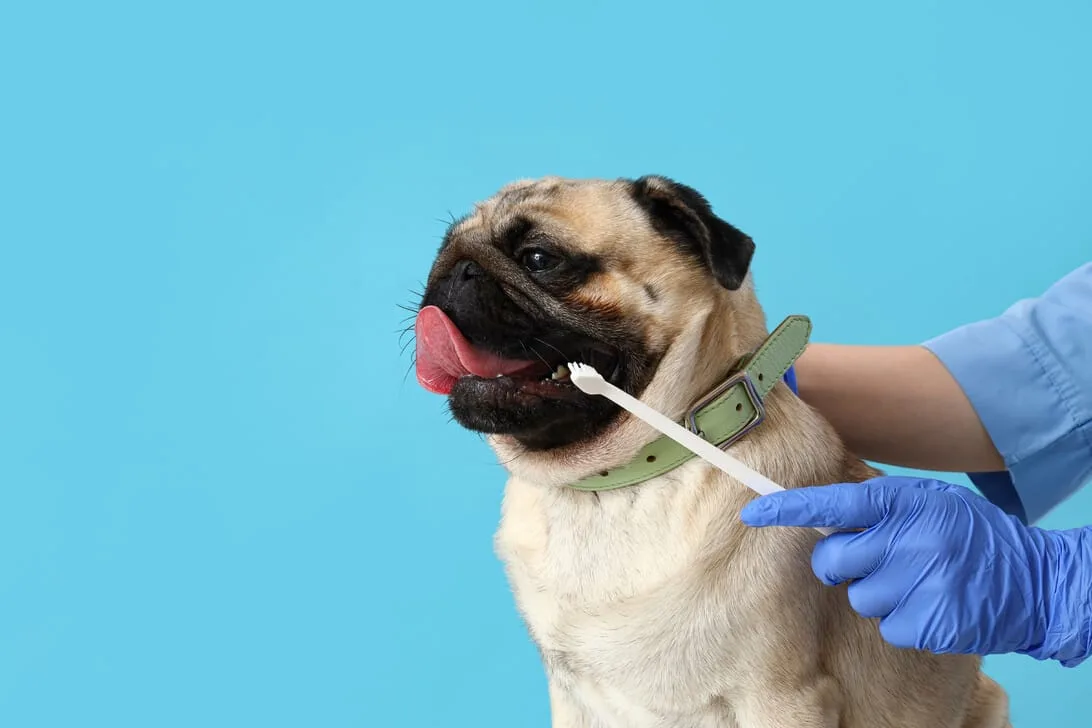
Toothbrushing remains the most effective method for minimizing plaque and tartar buildup. Veterinary professionals recommend using a soft-bristled brush and canine-specific enzymatic toothpaste, as human formulations may contain ingredients that are harmful if swallowed. Daily brushing is ideal, though even several times per week can significantly reduce oral bacteria and slow periodontal progression.
2. Schedule Routine Veterinary Dental Examinations
Annual or semiannual oral health evaluations allow early detection of issues such as gingivitis, fractured teeth, resorptive lesions, or oral masses. Comprehensive dental cleanings performed under general anesthesia enable veterinarians to assess tooth roots, remove subgingival plaque, and polish enamel surfaces. These procedures address areas inaccessible through at-home care alone and are essential for maintaining long-term oral health.
3. Utilize Approved Dental Chews and Diets
Specialized dental chews, treats, and diets formulated to reduce plaque and tartar can complement home brushing. Products validated by veterinary dental authorities often employ mechanical abrasion or enzymatic action to limit bacterial accumulation. Offering these items on a regular schedule supports oral hygiene between professional cleanings, though they should not replace brushing or veterinary evaluations.
4. Monitor for Early Signs of Oral Disease
Early recognition of dental issues allows timely intervention and minimizes the risk of advanced periodontal disease. Signs warranting veterinary attention include halitosis, excessive drooling, pawing at the mouth, reluctance to chew, visible tartar accumulation, or bleeding gums. Behavioral changes—such as decreased appetite or irritability—may also signal underlying oral discomfort.
5. Maintain a Consistent Preventive Routine
Effective dental care relies on consistency. Establishing a predictable routine that includes brushing, dental chews, clean drinking water, and periodic professional assessments encourages better outcomes. Small daily habits often have the most durable impact on canine oral health, reducing the need for more invasive treatments later in life.