
Vinyl, Mesh, or Fabric? A Banner Printing Guide for San Francisco Retailers
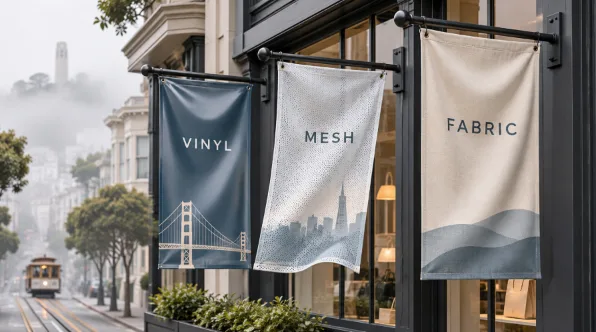
Running a shop in San Francisco means competing for attention on streets packed with foot traffic, cable cars, delivery vans, and plenty of other storefronts trying to do the same thing. A banner is still one of the quickest and most affordable ways to stand out, but the material you choose decides how long it lasts and how good it looks. Fog, steady winds off the bay, and bright afternoon sun all put signage to the test. Before you place your next order for banner printing San Francisco retailers can rely on, it helps to understand the real differences between vinyl, mesh, and fabric. This guide walks through each option, where it performs best, and how to match it to your storefront.
Comparing the Three Most Popular Banner Materials
Each material has a clear personality. Knowing what each one does well, and where it falls short, saves you from reprinting a faded or torn banner a few months after it goes up.
Vinyl: The Versatile Workhorse
Vinyl is the default choice for most businesses, and for good reason. It is tough, waterproof, and holds sharp, saturated colors that pop from across the street. A heavyweight vinyl banner with hemmed edges and metal grommets can handle damp mornings and occasional rain without complaint.
Vinyl works well for grand openings, sale announcements, and seasonal promotions that hang on a building, a fence, or inside a large window. Its main weakness is wind. Because the surface is solid, a big vinyl banner catches gusts like a sail, which strains grommets and mounting hardware. For smaller sizes or sheltered spots, that rarely matters. For large banners on exposed walls, it can.
Mesh: Built for Windy Locations
Mesh banners are made from vinyl woven with tiny perforations that let air pass straight through. That makes them the go-to option for exposed corners, rooftops, construction fencing, and any spot where the breeze never really stops. Less wind resistance means less tearing, less flapping noise, and a longer life for your hardware.
The trade-off is image detail. Because part of the surface is open, fine text and intricate graphics look slightly softer up close. Mesh shines with bold logos, big headlines, and simple layouts meant to be read from a distance.
Fabric: Polished and Premium
Fabric banners, usually printed on polyester, have a soft matte finish that reduces glare and looks more upscale than glossy vinyl. Colors are rich, the material drapes nicely, and it folds for storage without permanent creases. That makes fabric a favorite for boutiques, galleries, salons, and indoor displays where presentation matters as much as visibility.
Fabric is also lightweight and easy to ship or carry to pop-up events. However, it is best suited to indoor use or short-term outdoor events, since it can absorb moisture and is generally less resistant to long exposure than heavy vinyl.
How Local Conditions Affect Your Choice
The city’s microclimates matter more than many shop owners expect. A storefront in the Sunset or the Richmond may spend much of the day wrapped in cool, damp fog, while a shop in the Mission or SoMa gets far more sun. Waterfront areas and hilltop corners face stronger, steadier winds.
For foggy, moist areas, waterproof vinyl with reinforced edges is a reliable pick. For windy, exposed spots, mesh is usually the safer bet. For sunny locations, ask your printer about UV-resistant inks so your colors stay bright. And for sheltered entrances or interiors, fabric gives you the most refined look.
Picking and Ordering the Right Banner for Your Shop
Once you know the strengths of each material, the decision becomes much simpler. The key is to start with where and how the banner will be used, not with the price tag alone.
Step-by-Step Checklist Before You Order
Run through these questions before you contact a printer:
- Decide indoor or outdoor. Indoor displays open the door to fabric, while outdoor placements usually call for vinyl or mesh.
- Check wind exposure. If the spot is a corner, rooftop, fence, or near the water, lean toward mesh.
- Estimate how long it will hang. A weekend event and a six-month promotion need very different levels of durability.
- Consider your viewing distance. Fine detail suits close viewing; bold, simple designs work best from across the street.
- Plan your mounting method. Grommets, pole pockets, zip ties, or frames all affect the finishing options you should request.
- Confirm local rules. Ask your landlord and check city sign requirements before installing anything on a building facade.
Design Tips That Work With Any Material
Keep your message short: a business name, one key offer, and a single call to action are usually enough. Use high-contrast color combinations, such as dark text on a light background, so the banner stays readable on gray, foggy days. Choose large, clean fonts and leave generous empty space around them. Finally, always send high-resolution artwork, because blurry images become obvious once they are printed several feet wide.
Making Your Final Decision
There is no single best material, only the best match for your location and goals. Vinyl gives you durability and vivid color for most outdoor needs, mesh handles windy and exposed spots with ease, and fabric delivers a refined look for interiors and events. Think about your neighborhood’s weather, how long the banner needs to last, and how close customers will be when they read it. With those answers in hand, you can order a banner that looks great on day one and keeps working for your shop long after.