Water damage claim checklist that prevents denials in Miami, FL
Water on the floor is obvious, but water inside the walls is quiet and expensive. In Miami, FL, a small leak can turn into warped floors, stained ceilings, and mold faster than most people expect. Insurance claims also move fast at the start, and that is where many denials begin. A simple checklist can keep your story clear and your proof strong. It’s also smart to bring in help early, such as water damage lawyers at Your Insurance Attorney, so you don’t miss key steps that protect your claim in Miami, FL.
First steps in the first hour
Make the area safe
Safety comes first.
- Shut off the water source if you can find it.
- If water is near outlets, power strips, or appliances, turn off the electricity to that area. If you feel unsure, do not take risks.
- Keep children and pets away from the affected rooms.
Stop the damage from spreading
Insurance companies often expect you to take reasonable steps to stop further damage. This is called “mitigation.” It does not mean full repairs right away. It means controlling the situation.
- Use towels and buckets to contain water.
- Move rugs, furniture, and electronics away from wet areas.
- Use fans and dehumidifiers if safe.
- Call a plumber for leaks, broken pipes, or overflowing fixtures.
In Miami, FL, high humidity can make wet materials worse quickly. Acting early helps both your home and your claim.
The photo and video proof checklist
Take photos before major cleanup
Photos are one of the easiest ways to prevent confusion later. Take pictures before anything is removed or replaced.
Capture:
- Wide shots of each affected room
- Close-ups of the water source, if visible
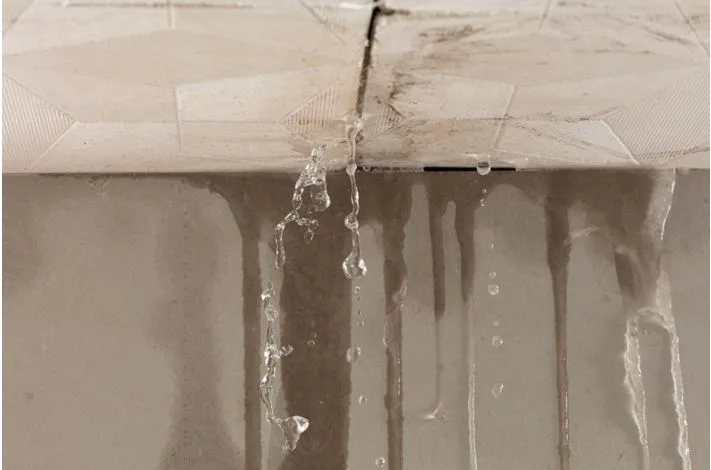
- Water lines, ceiling stains, bubbling paint, and warped boards
- Cabinets, baseboards, drywall, and flooring damage
- Damaged personal items and furniture
Record a short walk-through video
A simple phone video can show what photos miss.
- Walk slowly through each affected area.
- Say the date and time out loud.
- Point out where the water started and where it traveled.
- Show the worst spots and any hidden areas you notice.
Keep a simple file system
An organization helps a lot during a claim.
- Create one folder called “Water Damage Miami FL.”
- Save photos and videos there.
- Name key files by room and date, such as “Kitchen 02-01.”
Create a claim folder the same day
Save your claim details
Set up a small folder (digital or paper) with:
- Policy number
- Claim number
- Adjuster name and contact info
- Dates of every visit, call, or email
Start a call and email log
Every time you contact the insurance company, note:
- Date and time
- Who you spoke with
- What they asked for
- What you sent
- Any deadlines mentioned
In Miami, FL, insurance claims can involve several people and multiple follow-ups. A simple log keeps you in control.
Report the claim the right way
Report quickly
Waiting too long can create problems. Some insurers may argue the damage is older than you say, or that it got worse because notice was late. If you see active damage, report it as soon as possible.
Keep your description factual
Stick to what you know.
Good examples:
- “Water was coming from under the kitchen sink.”
- “The ceiling stain grew overnight.”
- “The bathroom overflowed and water reached the hallway.”
If you are not sure about the cause, say you are still investigating. Guessing can create confusion later.
Ask for written confirmation
After the claim is opened, request:
- An email confirming the claim number
- A list of documents they need
- A timeline for the next steps
Written communication reduces misunderstandings and helps your claim stay consistent.
Cleanup and repairs without harming your claim
Do not throw away damaged items too soon
Many people clean fast and lose the proof they need.
- Take photos of damaged items before disposal.
- Keep samples of flooring or drywall if something must be removed.
- Store small items in bags or boxes and label them.
Save every receipt
Keep receipts for anything related to the loss, including:
- Plumber visits and emergency repairs
- Fans, dehumidifiers, and drying equipment
- Hotel stays or temporary housing if needed
- Cleaning and supplies bought for mitigation
Even small receipts can support your claim in Miami, FL.
Get detailed estimates
Insurance companies often respond better to clear, itemized estimates.
Ask contractors to include:
- Room-by-room breakdown
- Materials and labor
- What needs repair versus replacement
- Drying steps and moisture control work
If building code upgrades apply, ask the contractor to list them. In Miami, FL, code-related repair costs can be a major part of the total.
Common denial triggers to watch for in Miami, FL
Some issues come up again and again in water damage claims.
- Late reporting
Insurers may question the timeline. - Unclear cause
If the source is not documented, coverage arguments can start. - “Wear and tear” explanations
They may say the issue developed over time. - Failure to mitigate
If water kept running or drying did not start, they may reduce payment. - Missing documentation
No photos, no receipts, no log often leads to delays.
The best defense is a clean timeline and strong proof.
Adjuster visit checklist
Prepare for the walk-through
If an adjuster visits your home:
- Be present if possible.
- Walk them through the damage calmly.
- Show the path of the water and the worst areas.
- Share your photo folder and timeline.
- Ask what they consider covered and what they may question.
Follow up in writing
After the visit, email a short summary of what was discussed. Keep it simple and factual. This helps keep the claim record accurate.
If your claim is underpaid or denied
Ask for the reason in writing
If you receive a low offer or denial, request:
- The exact reason in writing
- The policy language they relied on
- A list of documents they still want
Strengthen the claim file
Low offers can sometimes improve with:
- Better estimates
- Clearer photos and videos
- A stronger timeline
- Professional reports, such as plumbing notes or moisture readings
Conclusion
Water damage is stressful, but a denial can feel even worse. A solid checklist gives you fewer chances to slip up and gives the insurer fewer excuses to delay, reduce, or deny your claim. If the process starts to feel unfair or confusing, it can help to speak with professionals such as water damage lawyers at Your Insurance Attorney who handle these disputes and can guide the next steps in Miami, FL.