Water Damage Cleanup: What To Do In The First Hours And Days
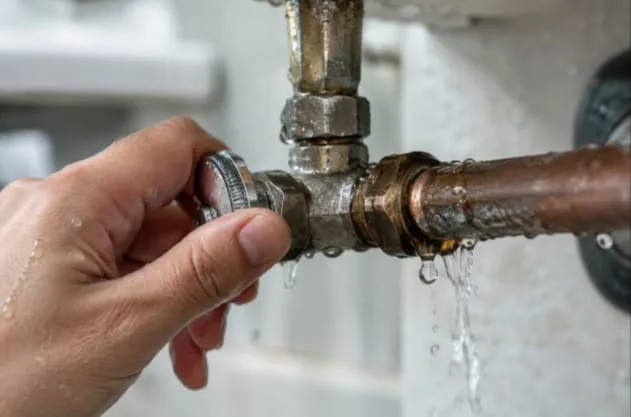
Water damage can begin with a burst pipe, an appliance leak, an overflowing fixture, a roof leak, or stormwater intrusion. Regardless of the source, the top priorities are protecting people, preventing additional water from entering, and initiating a safe drying process. A calm, organized response can reduce the risk of moisture spreading into walls, floors, cabinets, and other hidden areas.
For larger losses or damage affecting multiple materials, professional Pure Restore water damage restoration services can help identify moisture that is not visible on the surface. Small clean water spills may be manageable at home, but safety and the water source should always guide the decision.
Table Of Contents
- The First Hours After Water Damage
- Safety Checks Before Cleanup
- Stop The Water And Limit The Spread
- Document The Damage
- Remove Standing Water Carefully
- Drying The Home And Preventing Mold
- What To Save, Clean, Or Discard
- Know When Water Is Contaminated
- When To Call For Professional Help
- Common Questions About Water Damage Cleanup
The First Hours After Water Damage
Cleanup should start as soon as it is safe to do so. The basic sequence is simple: protect people, stop the source, document the damage, remove standing water, and begin drying. Do not rush into a wet room simply to save belongings if electrical, structural, or contamination hazards may be present.
Quick Emergency Checklist
- Keep children and pets away from the affected area.
- Shut off water if a plumbing fixture or pipe is leaking.
- Turn off electricity only if the electrical panel can be reached without entering water.
- Take photos and video before moving heavily damaged items.
- Remove water and begin drying once conditions are safe.
Safety Checks Before Cleanup
Standing water near outlets, appliances, extension cords, or electrical panels can create a shock hazard. Do not enter an area with a sagging ceiling, visibly damaged walls, a gas odor, sewage, or signs that the structure may be unstable. If water has reached electrical equipment and the main disconnect cannot be accessed from a dry location, contact an electrician or emergency service rather than stepping into water.
Wear gloves and protective footwear when handling wet materials. Do not use electrical tools in a wet area, and do not use a regular household vacuum to collect water. Leave the property and call emergency services if someone is injured, trapped, or exposed to an immediate hazard.
Stop The Water And Limit The Spread
For a plumbing failure, close the nearest fixture shutoff valve if possible. Toilets, sinks, washing machines, dishwashers, and water heaters may have local valves. If the leak cannot be isolated, shut off the home’s main water supply. Place buckets under active drips, then move furniture, rugs, and belongings away from wet areas when it is safe.
Roof leaks and storm entry require a different approach. Contain interior drips where possible, protect belongings, and avoid climbing onto a wet or damaged roof. Water entering from outside may continue until weather conditions improve or the exterior opening can be safely repaired.
Document The Damage
Before major cleanup begins, take wide photos of each affected room and close-ups of water lines, damaged finishes, belongings, and the apparent source. Create a written timeline that notes when the damage was discovered, what likely caused it, the actions taken, and expenses paid. Keep receipts for emergency supplies, temporary lodging, cleanup equipment, and replacement items.
Insurance coverage depends on the policy, cause of loss, and location of the water. Report the damage promptly and, whenever practical, review policy requirements before discarding major items.
Remove Standing Water Carefully
For a small clean-water spill, towels, mops, squeegees, and a wet-dry vacuum may be appropriate. Extract water promptly to limit staining, swelling, odors, and absorption into nearby materials. Deep water, several affected rooms, soaked flooring, or wet wall cavities usually call for professional extraction and moisture assessment.
Drying The Home And Preventing Mold
Removing visible water is only the first step. Moisture can remain behind baseboards, inside cabinets, under flooring, in insulation, and within wall cavities even when the surface feels dry. Safe air movement, dehumidification, ventilation, and moisture readings can help confirm that materials are actually drying.
The EPA mold and moisture guidance recommends drying water-damaged areas and items within 24 to 48 hours when possible. Do not run fans or HVAC equipment if sewage or heavily contaminated water may have spread, as contamination could be carried farther throughout the property.
Simple Drying Plan
- Remove standing water and separate wet belongings from dry ones.
- Increase safe airflow and reduce indoor humidity.
- Inspect behind appliances, trim, cabinets, and baseboards.
- Use moisture readings where available to track drying progress.
- Repair the water source before considering the job complete.
What To Save, Clean, Or Discard
Hard, nonporous items such as metal, plastic, glass, and some sealed surfaces are often easier to clean and dry than absorbent materials. The condition and water source matter. Do not turn on wet electronics until they have been inspected and fully dried.
- Often salvageable: Nonporous furniture, dishes, metal items, glass, and washable clothing exposed to clean water.
- Condition-dependent: Hardwood flooring, carpet, rugs, upholstered furniture, books, photographs, drywall, and cabinetry.
- Usually discarded after contaminated water exposure: Carpet padding, insulation, porous furniture, mattresses, pillows, and heavily saturated paper goods.
Know When Water Is Contaminated
Clean water may come from a supply line or sink overflow. Gray water may contain household contaminants, such as water from appliances or drains. Black water includes sewage and water that may contain harmful waste. Floodwater, sewage, and water from an unknown source should not be treated as an ordinary spill.
Use protective gear and avoid direct contact with contaminated water. The CDC disaster cleanup safety guidance advises using protective equipment when working around sewage and floodwater and notes that materials that cannot be cleaned or dried quickly may need to be discarded.
When To Call For Professional Help
Call for help when there is sewage, widespread flooding, electrical danger, structural damage, hidden moisture, or mold covering a large area. A qualified restoration team may provide extraction, moisture mapping, drying equipment, containment, and records that document progress.
Before hiring help, ask what caused the damage, how hidden moisture will be found, which equipment will be used, how drying will be measured, whether work will be documented, and which materials can realistically be saved.
Common Questions About Water Damage Cleanup
How Quickly Should Water Damage Be Addressed?
Begin as soon as it is safe. The drying rate depends on the material, temperature, humidity, and water source, but the first 24 to 48 hours are particularly important.
Can A Homeowner Dry A Small Leak Without Help?
Possibly, if it involves a small amount of clean water and has not reached flooring layers, walls, insulation, or electrical systems. When in doubt, inspect adjacent materials for signs of moisture.
How Can Someone Tell If A Wall Is Still Wet?
Soft drywall, peeling paint, swollen trim, discoloration, and musty odors can indicate a moisture problem. A wall can appear dry while the cavity behind it remains damp.
Does Homeowners Insurance Cover Water Damage?
Some sudden and accidental losses may be covered, while gradual leaks, maintenance issues, and certain flood events may not be. Review the policy and contact the insurer promptly.
Conclusion
After water damage, prioritize safety, stop the source, document the loss, remove water, and thoroughly dry affected materials. Acting methodically can limit secondary damage and make repair decisions easier in the days ahead.