Water Heater Installation in Queens: Sizing It Right for a Full House
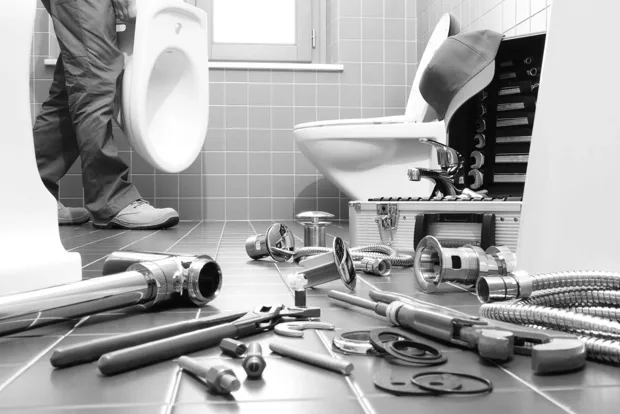
Queens runs on full houses. Three generations under one roof in Flushing, a two-family in Corona with a tenant downstairs, five people sharing two bathrooms on a school morning – this borough asks more of a water heater than almost anywhere in the city. Which is why so many of these installation calls start the same way: “the old one worked fine when we bought the place.” Sure it did. The household was two people then. Any licensed plumber in Queens swapping tanks out here will tell you the most common sizing mistake isn’t buying cheap. It’s buying identical – replacing a 40 gallon tank with another 40 because that’s what was there, without asking whether the house outgrew it years ago.
A replacement is the one chance to fix that. Takes ten minutes of math.
How Many Gallons Does Your Household Actually Need?
The rough ladder goes like this. One or two people, a 30 to 40 gallon tank covers it. Two or three, 40 gallons. Three or four, 50. Five or more, and you’re shopping 75 gallons, a high-recovery unit, or getting out of the tank conversation entirely.
Now adjust for how the house actually lives, because the ladder assumes an average household and Queens doesn’t do average. A soaking tub swallows 50-plus gallons by itself. Teenagers shower like water is free. A home health aide, grandparents on a different schedule, laundry running daily instead of weekly – all of it pushes demand up a rung. And the two-family wrinkle matters most of all: one tank feeding both units means the downstairs tenant’s 7 a.m. shower and yours are drawing from the same 40 gallons. A plumber in Flushing walks into this exact situation weekly – big multigenerational household, basement apartment, a builder-grade 40 gallon tank from 2009 gamely serving eight people, and everyone wondering why the hot water has a waiting list.
Undersizing is the obvious sin. Oversizing is the quiet one – a 75 gallon tank for two retirees keeps 75 gallons hot around the clock for no audience, paying standby losses on every gas bill. Right-sized beats big.
First-Hour Rating: The Number That Matters More Than Tank Size
Here’s the number the yellow EnergyGuide label carries that most buyers skip right past: first-hour rating. FHR is how many gallons of hot water the unit can actually deliver in its busiest hour, starting full – tank capacity plus whatever the burner can reheat while water’s flying out the top. It’s the honest number, because a tank never delivers its full printed capacity before the water cools off, and because recovery speed varies wildly between units.
Figure your own peak hour once. A shower runs roughly 2 gallons a minute, call it 15 to 17 gallons each. Shaving at the sink, a couple gallons. Dishwasher, around 6. Washing machine on warm, up to 20 on older machines. Add up the worst hour your house actually has – the school-morning stack of three showers plus a sink – and you’ve got a demand number in the forties. The unit’s FHR needs to meet or beat it with a small cushion.
This is where fuel type quietly changes the answer. A 40 gallon gas tank with a strong burner can post an FHR around 70 and outperform a 50 gallon electric sitting in the high 50s, because gas recovers a full tank in about an hour while electric takes closer to two. Matching FHR to the real peak hour is most of what separates a professional water heater installation in Queens from a warehouse-floor guess – and it’s the calculation Queens water heater installers run before quoting a unit, not after the complaints start.
Gas, Electric, or Tankless Water Heater: Matching the Unit to the House
Most Queens homes with gas service stay gas, and for the full-house problem it’s the right instinct – the recovery speed is the whole advantage. The house dictates the details though. Atmospheric-vent tanks need a chimney that drafts; a flue in bad shape or a finished space with no vent path pushes the choice toward a power-vent unit that exhausts through a sidewall, which costs more and needs an outlet, or toward electric.
Electric earns its spot where venting doesn’t exist – certain basements, utility closets, all-electric buildings. Slower recovery, simpler install, and the modern wrinkle worth a mention: heat pump water heaters, which cut electric operating costs dramatically and come with real rebate money behind them, provided the space has the height and air volume they need and a path for the condensate line.
Tankless is the full-house cheat code with an asterisk. Endless hot water, no tank to outgrow – but the unit demands a 150,000 to 199,000 BTU gas supply, which usually means upsizing the gas line, plus dedicated venting. For the eight-person household that empties every tank it meets, that infrastructure spend can be exactly worth it. For everyone else, run the FHR math first; a properly sized high-recovery tank solves most Queens mornings for less.
What Installation Day Looks Like Start to Finish
A clean swap is a half-day of choreography. Water and fuel shut off, old tank drained – slowly, through a hose to a drain, since 40 gallons of rusty water has opinions – disconnected, and hauled, which in Queens basements with narrow stairs is its own athletic event. New unit set, ideally in a drain pan where the location calls for one.
Then the connections, done right instead of reused: new flex connectors or unions, dielectric fittings where copper meets the tank’s steel nipples so galvanic corrosion doesn’t start eating the joints on day one, and the temperature-and-pressure relief valve piped down toward the floor – a T&P with no discharge pipe is a scald cannon aimed at whoever’s standing there when it opens. Gas side gets a sediment trap on the drop and a leak test on every joint. Venting gets checked for draft, not assumed. Where the house has a check valve or pressure-reducing valve on the service, a thermal expansion tank goes on the cold line, because heated water in a closed system has to push somewhere.
Fill, purge the air, light or power up, set the dial to 120 degrees, test at the taps. Done properly, the only evidence is better mornings.
Permits, Code, and Why a Licensed Plumber Handles the Swap
In NYC a water heater swap isn’t a handshake job. Gas piping work belongs to a licensed master plumber by law, and the replacement itself runs through a DOB filing – the limited alteration paperwork the plumber handles as part of the job. It feels like bureaucracy until the house sells, or the insurance adjuster asks questions after an incident, and the paper trail is either there or it isn’t.
The license is also just the competence filter. The failure modes of a bad install – backdrafting flue gases, an unrelieved tank, a slow gas leak at an untested joint – are the kind you don’t get warnings about. A full house deserves a unit sized for it and an install nobody has to think about for the next decade.
Count the people, do the peak-hour math, buy the recovery. That’s the whole game.
Queens Plumber
53-05 108th St, Corona, NY 11368
(929) 481-3200