Water-Resistant Is Not Waterproof: A Couch Guide for Spill-Prone Homes
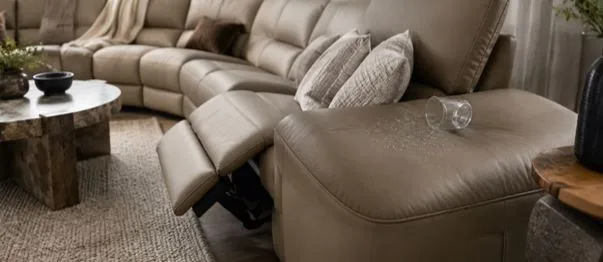
Furniture shopping language can make liquid protection sound absolute. In practice, upholstery may repel droplets, slow absorption, wipe clean easily, or use an impermeable barrier, and those are different levels of performance.
The distinction affects where a sofa belongs and how quickly a spill must be handled. A family room with drinks, pets, and children needs specific care information, not one broad label.
When search results use the phrase waterproof couch, open the material description before assuming complete protection. The linked model describes animal-free performance leather as water-resistant, durable, and easy to clean, while its care guidance calls for regular dry wiping and protection from heat and sun.
Learn the Protection Vocabulary
Water-resistant material slows penetration during ordinary contact. Water-repellent treatments encourage liquid to bead on the surface. Waterproof construction should prevent water from passing through under defined conditions, including seams and joins.
Retail listings do not always use these terms consistently. Ask what has been tested, how long liquid can remain, and whether the claim covers only the face material. A water-resistant surface with open seams is not a sealed container.
Inspect the Whole Seating Surface
Look at piping, stitching, tufting, zippers, buttons, and gaps between modules. Liquid often enters through these details before it crosses the center of a coated or tightly woven panel.
Powered sofas add moving junctions and control areas. Keep drinks away from switches, motors, and charging ports. Surface protection should never be treated as electrical protection.
Match the Material to the Likely Spill
Plain water is easier to manage than coffee with milk, oily food, ink, or pet accidents. A surface may resist moisture while still retaining color, odor, or residue from another substance.
List the three most likely accidents in the room and check the care guidance for each. If the manufacturer only recommends a dry cloth, do not assume detergent, disinfectant, or a stain remover is safe. Test any approved cleaner in a hidden area.
Create a Fast Spill Response
Keep white absorbent cloths in a nearby drawer. Remove solid material gently, blot from the outside toward the center, and avoid rubbing liquid across a larger area.
Disconnect power if a spill reaches electrical components, then follow the manufacturer’s safety guidance. Do not operate a wet control or recline mechanism. Surface drying does not confirm that moisture has left the interior.
Understand Performance Leather
Performance leather can refer to synthetic upholstery designed to offer a leather-like appearance with easier everyday care. The linked product lists a polyester composition and identifies the material as eco-friendly microfiber leather in its specifications.
That construction is different from natural hide and should be maintained according to its own instructions. Avoid applying leather conditioners made for natural leather unless the manufacturer approves them. The wrong product can leave residue or change the finish.
Protect High-Risk Zones
Most spills occur near arms, cup locations, and the favorite seat. A washable arm cover, stable side table, or tray with a raised edge may prevent more damage than relying on upholstery treatment alone.
Keep pet bowls away from the electrical side of a power sofa. Children benefit from cups with lids and a fixed place to set them down. These habits reduce repeated exposure without making the room feel off limits.
Check Comfort Alongside Cleanability
A wipeable surface can still feel warm, cool, slippery, or firm depending on the room and clothing. Sit for more than a few minutes, change positions, and notice how the material behaves under pressure.
The referenced sofa includes an adjustable backrest and footrest, a manual headrest, and a deep seat. Those comfort features increase the time people may spend there, which also increases exposure to food, drinks, skin oils, and pet contact.
Plan Around the Reclining Mechanism
Open the recliner fully and look beneath it. The floor and moving parts need their own cleaning plan because crumbs and liquid can fall into spaces that are not visible when the sofa is closed.
Vacuum with the mechanism stationary and disconnected when the instructions require it. Never place hands or tools near a moving joint. Use a slim attachment only where the care guide permits access.
Compare Claims With Care Instructions
The most useful listing pairs a protection claim with a cleaning method. Water resistance plus a defined wipe or blot procedure gives the buyer a realistic routine. A dramatic label without care details leaves too much open to interpretation.
Save a copy of the product-care page at purchase because finishes and instructions can vary by color or material option. Follow the guidance for the exact upholstery selected, not a similar-looking swatch.
Ask About Warranty Exclusions
Liquid damage, staining, chemical use, pet damage, and misuse may be treated differently under a warranty. Read exclusions before assuming that a material label shifts all risk to the seller.
Document the delivered upholstery condition and retain the product code. If a problem appears, photographs and prompt contact provide better evidence than aggressive cleaning that may alter the surface.
Use a More Accurate Buying Rule
Choose based on verified resistance level, seam design, cleaning method, electrical layout, and household habits. Treat any phrase that implies total liquid immunity as a prompt to investigate, not as the end of the decision.
A spill-ready living room combines suitable upholstery with prevention and fast response. That approach protects the sofa more reliably than expecting one surface treatment to handle every liquid, every seam, and every delay.
Run a Swatch and Routine Test
Request the exact material sample when available. Place a drop of plain water on it only if the seller permits a home test, then follow the stated blotting method and inspect the dried surface under daylight. Do not repeat the test with staining liquids unless the care team approves it.
The more important trial is behavioral. Put the cleaning cloth where it will live, use the planned side table, and ask household members to follow the spill routine for a week with the current furniture. If the supplies are hard to reach or drinks still balance on an arm, redesign the room before relying on a new finish.
Recheck Protection as the Sofa Ages
Surface treatments can change with abrasion, cleaning, and time. Watch for areas where liquid no longer beads or where the finish looks different, then ask the maker for appropriate maintenance guidance.
Do not apply a generic waterproofing spray. It may alter color, feel, breathability, or warranty coverage. Protection remains a combination of the original material, approved care, and household habits throughout the sofa’s life.