Water Screen: A Creative Technology for Modern Visual Experiences
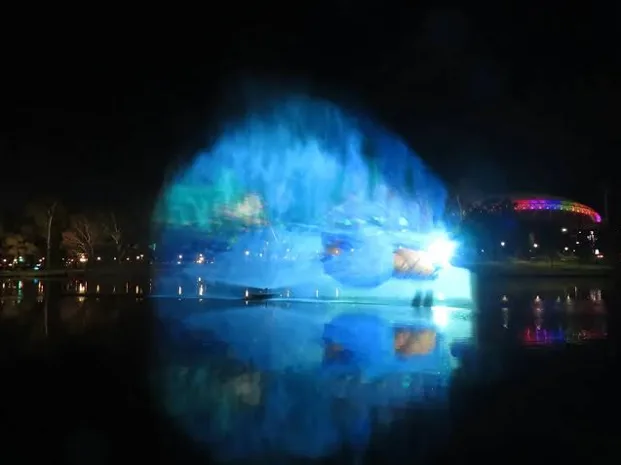
Water screen technology offers a distinctive way to present images, videos, and animations by using flowing water as a projection surface. Instead of displaying content on a conventional electronic screen or fabric backdrop, this technology creates a thin curtain of water onto which visual content can be projected. The result is an impressive combination of movement, light, and digital creativity that can transform an ordinary location into an engaging visual attraction.
This technology has become an interesting option for entertainment venues, public celebrations, exhibitions, tourism destinations, and corporate events. Its unusual appearance allows event organizers to create memorable presentations that stand apart from traditional visual displays. By combining water effects with creative storytelling, a water screen can contribute to an immersive atmosphere for different types of audiences.
How Does a Water Screen Work?
A water screen system operates by producing a controlled flow of water that forms a surface suitable for image projection. Specialized equipment distributes the water evenly, creating a curtain that can display videos, graphics, animations, and other digital content. A projector directs images onto this surface, allowing visuals to appear suspended within the surrounding environment.
The quality of the final display depends on several technical factors. These include water distribution, projector performance, viewing distance, ambient lighting, and the quality of the visual material. Since water is constantly moving, the projected images may have a softer and more dynamic appearance than those shown on conventional screens.
Lighting conditions are particularly important for achieving an impressive result. Outdoor water screen performances are often most effective after sunset, when projected colors and animations become easier to see. When combined with music and carefully coordinated lighting, the installation can deliver a captivating multimedia presentation.
Applications of Water Screen Displays
Water screen displays can be adapted for numerous entertainment, promotional, and decorative purposes. One popular application is live events, where organizers use projected visuals to introduce performers, communicate messages, or provide a dramatic background for special occasions.
Tourist attractions and theme parks can incorporate water screens into scheduled shows and nighttime entertainment. These displays may feature animated stories, cultural themes, historical presentations, or imaginative visual effects. When combined with fountains, sound systems, and colorful lighting, they can become an important part of the visitor experience.
Businesses can also use water screens for product launches, exhibitions, corporate gatherings, and promotional campaigns. A presentation displayed on moving water can provide a different way to communicate a brand message and attract attention. This approach is particularly suitable for occasions where organizers want to create an impressive setting for guests and potential customers.
Water screens can also enhance public gardens, entertainment complexes, resorts, and outdoor recreational areas. With appropriate design and placement, they can complement the surrounding architecture while introducing an artistic feature that attracts visitors.
Advantages of Using a Water Screen
A major advantage of water screen technology is its ability to create a distinctive visual effect. Images projected onto a flowing water surface can appear to float in the air, producing an unusual presentation that conventional display systems cannot easily replicate. This makes the technology valuable for events that prioritize creativity and audience impact.
Another benefit is the flexibility of digital content. Organizers can prepare different animations, promotional messages, and visual themes according to the purpose of an event. This allows a single installation to support various presentations without requiring an entirely new projection surface.
Water screens can also work alongside other entertainment elements. Combining projected imagery with synchronized music, stage performances, lighting, and fountain effects can create a more complete experience. These possibilities allow designers to develop presentations that suit different venues and event requirements.
Additionally, water screen installations can contribute to the visual identity of a location. When thoughtfully incorporated into an outdoor space, they can become an attraction in their own right and help create a memorable environment for visitors.
Planning and Installing a Water Screen
Proper preparation is essential when developing a water screen installation. The first step is selecting an appropriate location and assessing the available space, audience position, water supply, drainage, and electrical infrastructure. Outdoor projects also require consideration of wind conditions and other environmental factors that could affect the display.
Water distribution equipment must be configured to produce a consistent projection surface. Uneven water flow can affect image quality, so the system should be tested before the event. Professional installation helps ensure that the equipment operates correctly and that technical challenges are addressed in advance.
Projector selection is another important consideration. The equipment must provide sufficient brightness and resolution for the intended screen dimensions and viewing conditions. Visual content should also be designed specifically for the installation, with suitable colors, movement, and text sizes to improve visibility.
Safety planning should never be overlooked. Water and electrical equipment must be managed carefully, while surrounding walkways should be designed to reduce slipping hazards. Structural stability, equipment maintenance, and controlled audience access are also important for dependable operation.
Water Screens and Audience Engagement
Creating memorable experiences has become an important goal for event organizers and businesses. Water screen technology supports this objective by combining visual presentation with the natural movement of water. This can encourage audiences to pay attention and experience a performance in a more engaging setting.
For tourism operators, a water screen can provide an additional attraction that encourages visitors to explore a destination. Companies can use it to present their messages in an unconventional format, while cultural organizations may incorporate it into artistic performances and public celebrations.
A professionally developed Water screen can be customized to match an event’s theme, visual identity, or surrounding environment. This adaptability helps organizers create presentations that feel relevant to their audience and distinguish their events from conventional productions.
Audience engagement can be further improved by combining projection with suitable sound design, coordinated lighting, and well-planned storytelling. When these elements work together, the technology can contribute to a more cohesive and memorable event.
Conclusion
Water screen technology provides an innovative method of presenting digital imagery through a carefully controlled curtain of water. Its ability to combine projection, lighting, movement, and sound makes it suitable for entertainment shows, tourism attractions, business events, and creative installations.
Although successful implementation requires technical planning, suitable equipment, and careful attention to safety, the technology offers considerable creative possibilities. From promotional presentations to public spectacles, water screens can introduce a distinctive visual element to many environments.
As event organizers continue looking for fresh ways to capture attention, water screen displays offer an appealing alternative to traditional projection surfaces. With effective planning and engaging visual content, this technology can help transform ordinary venues into memorable destinations.