Wedding Films That Feel Real: Candid Moments, Clear Audio, and Personal Storytelling in 2026
Key Takeaways
- A meaningful wedding film captures emotion, movement, and sound, not only appearances.
- Clear audio preserves vows, speeches, laughter, and personal voices for years to come.
- Candid footage reveals moments couples may not notice as they move through the day.
- A realistic timeline creates space for natural interactions and unhurried filming.
- The right film style should fit your personality, venue, pace, and priorities.
- Questions about backups, audio, editing, and delivery should be addressed before booking.
Table of Contents
- What Makes a Wedding Film Feel Real?
- Why Candid Moments Matter
- The Role of Audio in Wedding Films
- Choosing Between Documentary and Cinematic Styles
- Building a Timeline That Supports Filming
- Planning Around the Venue and Light
- Questions to Ask Before Booking
- Common Planning Mistakes to Avoid
- A Simple Wedding Film Checklist
A wedding film should do more than document décor, attire, and formal events. It should bring you back to the way the day sounded, moved, and felt. Couples exploring story-first coverage through Adam Gorham Films or comparing other professionals can benefit from focusing on the details that create emotional recall: honest reactions, meaningful voices, and the small in-between moments that are easy to miss in real time.
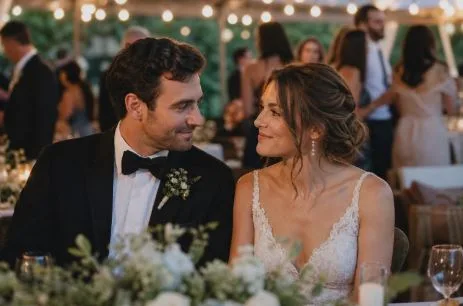
The most memorable films are polished without feeling staged. They leave room for a nervous laugh before the ceremony, a parent fixing a collar, friends talking as they get ready, and the quiet glance shared just after the vows. Thoughtful planning helps a filmmaker preserve those moments while allowing the couple to stay present with the people they love.
What Makes a Wedding Film Feel Real?
A basic wedding video records what happened. A story-driven wedding film preserves why it mattered. It blends the major milestones with the reactions around them, including pauses, tears, laughter, hand squeezes, and conversations that would otherwise fade from memory. A parent wiping away a tear during the ceremony can say as much as a wide shot of the room.
Real does not mean unedited or careless. It means the final film has a point of view rooted in your actual day, rather than a collection of poses and trends. The history of wedding videography reflects how smaller digital equipment and more flexible editing made discreet, story-focused coverage increasingly possible.
Why Candid Moments Matter
Candid coverage lets couples experience parts of the wedding they might have missed. While you are greeting guests, changing outfits, or taking portraits, meaningful scenes are still unfolding elsewhere. A capable filmmaker observes without constantly interrupting, while still choosing clean angles and thoughtful compositions.
Moments Worth Capturing
- A deep breath before walking down the aisle.
- A parent or sibling reacting during the ceremony.
- Friends helping with last-minute details.
- A quiet conversation during portraits.
- Guests laughing before the reception entrance.
- Small gestures between the couple when no one is posing.
The Role of Audio in Wedding Films
Audio is often what turns beautiful footage into something deeply personal. Visuals can show a vow, but recorded sound preserves the voice, timing, emotion, and laughter behind it. The same is true of speeches, private letters, officiant remarks, applause, and the background sounds of a celebration.
Ask how vows and toasts will be recorded, especially for outdoor ceremonies, loud receptions, or venues with wind and echo. Reliable coverage commonly involves more than one audio source. A microphone can fail, batteries can run low, and a guest can unexpectedly stand near a speaker. Backup recording is not an extra detail. It is essential protection for irreplaceable words.
Choosing Between Documentary and Cinematic Styles
Documentary-style coverage generally prioritizes real events, longer natural moments, and a relaxed observational approach. Cinematic coverage may place more emphasis on controlled movement, visual mood, music-led pacing, and carefully composed imagery. Neither is automatically better. The right choice depends on what feels most like you.
Documentary Style May Suit Couples Who Want:
- Natural conversations and extended real audio.
- Minimal direction throughout the day.
- A relaxed, chronological record of events.
Cinematic Style May Suit Couples Who Want:
- Strong visual atmosphere and elegant camera movement.
- A concise short-film structure.
- Music-supported sequences and a refined visual finish.
A blended approach often gives couples the best of both: honest emotion supported by intentional editing. Watch full films, not only highlight reels, before deciding. Short clips can show visual style, but complete films reveal pacing, audio quality, and how important moments are handled.
Building a Timeline That Supports Filming
A rushed schedule can make even a beautiful wedding feel hurried on film. Build buffer time between major events, allow for travel between locations, and protect a few quiet minutes for the two of you. Those pauses often produce the most natural footage because nobody is rushing to the next obligation.
Share the ceremony schedule, reception order, family priorities, cultural traditions, and planned surprises early. A good timeline serves the couple first. Filming should support the experience, not turn the day into a production.
Planning Around the Venue and Light
Your venue affects camera placement, sound, movement, and mood. Confirm where cameras may stand, whether tripods or supplemental lights are permitted, how much aisle space exists, and what the weather backup plan is. Also consider backgrounds. Parking lots, exit signs, clutter, and harsh overhead lighting can be more noticeable on video than expected.
Questions to Ask Before Booking
- How are vows, speeches, and ambient sound recorded?
- What backup plan is in place for camera or microphone failure?
- How much direction will we receive during the day?
- How do you coordinate with the photographer and venue team?
- Which edits are included, and what is the expected delivery period?
- How are final files stored, delivered, and backed up?
Common Planning Mistakes to Avoid
- Booking based only on a short social-media highlight reel.
- Overlooking audio quality and backup recording.
- Leaving no buffer time in the timeline.
- Failing to share important family, faith, or cultural moments.
- Assuming every venue permits the same setup.
- Following a trend that does not reflect your relationship.
Trends can be fun, but personal details usually age better. Recent interest in guest-shot camcorder footage also shows why imperfect, informal moments can feel especially meaningful when they complement professional coverage. A look at the wedding camcorder trend highlights the appeal of seeing the day from friends’ perspectives.
A Simple Wedding Film Checklist
- Choose a visual style that feels natural to you.
- Watch complete wedding films whenever possible.
- Confirm how vows, speeches, and ambient sound are captured.
- Build buffer time into the schedule.
- Confirm venue rules and weather plans.
- Share meaningful people, traditions, and surprises.
- Ask about backups, delivery, and file storage.
- Leave room for unscripted moments.
Conclusion
A memorable wedding film does not need to capture every second. It needs to preserve the moments with lasting meaning. When clear audio, candid observation, thoughtful planning, and a fitting editing style come together, the final film becomes more than a recap. It becomes a way to return to the day itself.