What Accessories Are Needed to Clean a Firearm?
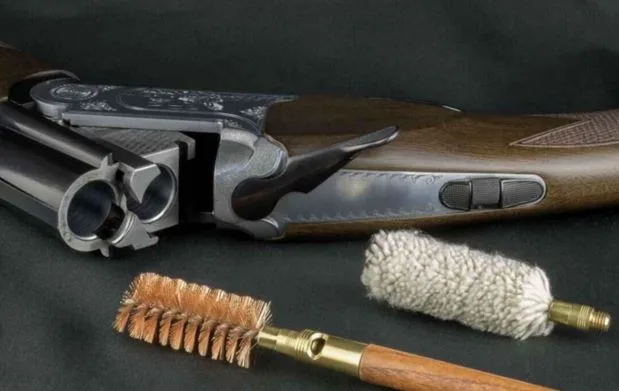
Carbon fouling, gunpowder residue, and moisture can gradually damage metal surfaces. Without proper maintenance, even a high-quality firearm may experience deteriorating performance after just a few months of use. That is why regular cleaning is essential for extending a firearm’s service life, maintaining shooting accuracy, and ensuring the reliable operation of its mechanisms. For this purpose, both firearm cleaning kits and individual cleaning accessories are available. Options for various firearm types and calibers can be found on the website https://www.gunnix.us/. For thorough barrel maintenance, you’ll need cleaning rods, brushes, lubricants, and other supplies.
How to Put Together a Kit for Regular Firearm Cleaning
A complete kit doesn’t necessarily have to include dozens of accessories. First and foremost, select tools that are suitable for your specific caliber and type of firearm. A basic kit can be assembled from several categories:
- a cleaning rod or flexible cable with the appropriate thread;
- cleaning brushes and jags in the correct caliber;
- patches, mops, and slotted tips;
- small brushes for cleaning individual components;
- a container or case for storing accessories.
If you own multiple firearms, it may be more cost-effective to purchase a universal kit with attachments of various sizes. If you use only one caliber, a kit designed specifically for that caliber may be a practical option. In this case, consumable items such as patches and some brushes should be replaced periodically as they wear out.
What Cleaning Chemicals and Lubricants Are Needed?
Mechanical cleaning removes larger debris, while specialized cleaning solutions help remove gunpowder residue and copper deposits. This group includes:
- solvents for removing gunpowder residue and copper deposits;
- oils for lubricating moving bolt components and guides;
- preservation compounds for long-term firearm storage;
- cleaning agents suitable for the rubber and plastic components of optics and stocks.
Each product is designed for a specific type of contamination or maintenance task. A copper solvent, for example, cannot replace oil intended for lubricating firearm mechanisms, and vice versa. When choosing cleaning products, consider the barrel material, storage conditions, and frequency of firearm use.
Important Precautions to Consider
When cleaning a firearm, follow the manufacturer’s instructions and observe the safety requirements specified for that particular model. Before cleaning, make sure the firearm is unloaded, and perform all maintenance in a safe environment.