What Actually Happens to Your Junk After It Gets Picked Up
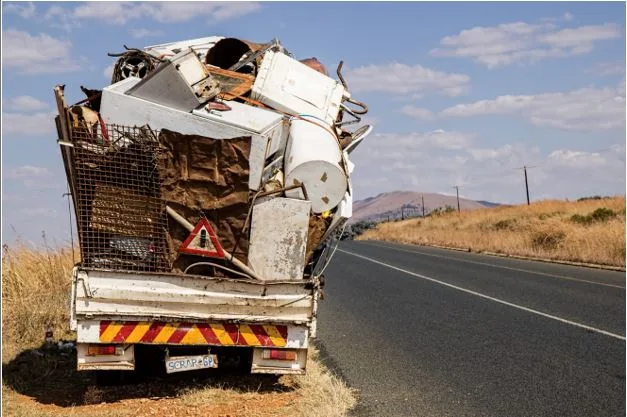
TL;DR: Junk removal companies sort collected items into three categories: items that can be donated, items that can be recycled, and items that go to a landfill.
Most professional junk removal services divert 40 to 60% of collected items from landfills through donation and recycling partnerships. The EPA reported in 2021 that Americans generated 292.4 million tons of municipal solid waste. Items donated to Habitat for Humanity ReStore, Goodwill, or local nonprofits are resold to fund community programs. What gets donated, recycled, or discarded depends largely on the practices of the junk removal company you choose.
Most people hand their junk to a removal crew and never think about what happens next. The truck drives away, and the job feels finished. But as awareness of landfill capacity, recycling, and material waste has grown, more homeowners are asking where those unwanted items actually end up.
The answer is more nuanced than it appears. Some junk removal companies divert a significant portion of collected materials through donation and recycling partnerships before considering landfill disposal. Others transport everything directly to a landfill, regardless of whether certain items could have been reused or recycled.
Because disposal practices vary from one company to another, it’s worth asking how collected materials are handled before scheduling a pickup. The best junk removal service Fort Collins Colorado, Move Caddies, sorts items on-site and prioritizes donation and recycling whenever practical before sending the remaining materials for disposal.
Understanding a company’s process beforehand helps homeowners make a more informed choice about where their unwanted items ultimately go.
Where Do Donated Items Go?
Furniture, appliances in working condition, building materials, and electronics that function are the primary donation categories. Habitat for Humanity ReStore accepts furniture, appliances, building materials, and household goods and resells them at reduced prices, using the proceeds to fund Habitat home construction.
Goodwill Industries accepts clothing, furniture, and general household items and uses resale revenue to fund job training programs. Local nonprofit thrift stores and community organizations accept category-specific donations based on their current needs.
The Fort Collins area Habitat for Humanity ReStore at 1800 E Mulberry Street accepts drop-off donations and receives items from partner junk removal companies with scheduled pickup arrangements.
A junk removal company with established nonprofit relationships can tell you specifically where your donated items go. One without those relationships cannot make meaningful claims about donation diversion.
What Gets Recycled and How?
Electronics recycling follows a specific regulatory framework. Colorado’s Electronic Recycling Law requires manufacturers to provide free recycling options for televisions, computers, and monitors. A professional junk removal company that collects electronics should route them to a certified e-waste recycler, not a general landfill, because many electronics contain materials including lead, mercury, and cadmium that are prohibited from standard landfill disposal.
Metal is the most straightforward recycling category. Steel, aluminum, copper, and mixed metals from appliances, furniture frames, and tools all have commodity value at scrap recycling facilities. A junk removal truck that leaves with 500 pounds of metal may recover $50 to $150 in scrap value, which subsidizes the recycling process.
Mattresses are a specific recycling challenge. Colorado does not currently have a statewide mattress stewardship program. Professional mattress recyclers like Spring Back Colorado, based in Denver, accept mattresses from junk removal companies and disassemble them into steel springs (recycled as scrap), foam (converted to carpet padding), and fiber (processed into industrial materials).
What Cannot Be Diverted From Landfill?
Hazardous materials including paint, solvents, batteries, fluorescent bulbs, and pesticides cannot be accepted by standard junk removal companies for any disposal route. These items require drop-off at a Household Hazardous Waste (HHW) facility. Larimer County operates an HHW drop-off at 5887 S. Taft Hill Road in Fort Collins.
Items that are genuinely broken beyond reuse, contaminated, or made of non-recyclable composite materials (certain plastics, particleboard laminate furniture, foam packaging) typically go to landfill because no economically viable alternative exists for these materials at scale.
The realistic split for a professional junk removal company serving residential customers is approximately 40 to 60% landfill diversion through donation and recycling, with the remaining 40 to 60% going to landfill. Companies that claim 100% landfill diversion should be asked to document how they process items like mattresses, particleboard furniture, and mixed plastic.
What Questions Should You Ask Before Hiring?
Before booking a junk removal service, ask these specific questions.
What nonprofit organizations do you donate to? A company with documented nonprofit relationships can name them. A company without them cannot.
Do you have a certified e-waste recycling partner? Certified partners appear on the Colorado Department of Public Health and Environment’s registered recycler list.
What percentage of collected materials do you typically divert from landfill? Ask for a realistic estimate, not a marketing claim.
How do you handle mattresses? The answer reveals whether the company has a specific recycling relationship or is taking them to a landfill.
Key Takeaways
- The EPA reported in 2021 that Americans generated 292.4 million tons of municipal solid waste; junk removal company material diversion rates directly affect how much of each collected load contributes to that total
- Professional junk removal companies with established nonprofit donation relationships can document specifically where donated items go; companies without those relationships cannot make meaningful diversion claims
- Colorado’s Electronic Recycling Law requires free recycling options for televisions, computers, and monitors; a junk removal company that does not route electronics to a certified e-waste recycler may be violating this requirement
- Larimer County operates a Household Hazardous Waste drop-off at 5887 S. Taft Hill Road in Fort Collins for paint, batteries, fluorescent bulbs, and other materials that junk removal companies cannot legally process
- A realistic landfill diversion rate for a professional residential junk removal company is 40 to 60%; claims of 100% diversion should be verified by asking how they process mattresses, composite furniture, and mixed plastics
- Scrap metal value from a single truck load can reach $50 to $150, which subsidizes the recycling process for metal-containing items, including appliances and furniture frames
The junk removal company you choose determines not just whether the items disappear from your home but where they go next. For items with remaining useful life, that destination matters.