What Can a CT Scan Detect? Understanding CT Scan Results
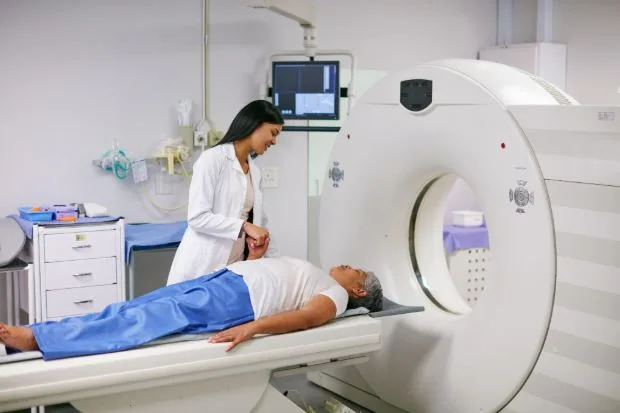
Many abnormalities can be picked up during a CT scan, which can generate quite detailed cross-sectional pictures of the parts inside the body. It might give more in-depth information than a regular X-ray, because it can show organs, soft tissues, bones, blood vessels, and other internal structures from several angles or views. CT imaging is often used to help understand symptoms, evaluate injuries, and follow existing conditions over time, or it may help locate odd findings that aren’t obvious during a basic physical exam. A CT scan can help spot things like a tumor, an infection, bleeding, bone fracture, kidney stones, and also organ changes depending on what region is being scanned. In certain studies, a contrast dye is given too, so doctors can see particular tissues or circulatory structures more clearly, sort of like enhancing the picture, and it can make evaluation more reliable.
What is a CT scan used for?
X-ray imaging may be useful to find abnormal regions within the body and to assess the extent of the changes. In the case of tumors, it might indicate the size, shape and position of the mass. Understanding cancer appearance on contrast CT scan may help doctors determine if further tests like a biopsy or another imaging scan are needed.
CT scans can also detect signs of infection, fluid accumulation, bleeding, fractures and organ damage. They can be helpful in emergency situations when they need to provide speedy information to aid medical decision-making.
What does a CT scan look for, and what problems might it assist with diagnosing?
CT imaging can examine many areas of the body and it helps uncover abnormalities in organs, tissues, bones, and blood vessels. In practice, it may show tumors, infections, inflammation, internal bleeding, traumatic injuries, kidney stones, and some issues related to blood flow, depending on which scan type is used. The interpretation of the CT findings is combined with symptoms and medical history as well as other tests to make an appropriate diagnosis.
What is the role of CT scan in creating detailed images of organs, tissues and blood vessels?
At the same time, the X-ray source spins around the patient and the detectors circulate around the patient at the same time taking information from different angles during a CT scan. These measurements are fed into a computer to make thin slices that can be viewed individually or combined into detailed images.
Contrast material may be given during some exams to help make certain blood vessels, tissues, or abnormalities easier to see. Contrast may or may not be used depending on how the scan is being used and the patient.
What abnormalities can be detected by the doctor using a CT scan?
CT imaging can detect a variety of things such as:
- Tumors or masses in some organs or tissues.
- Symptoms and indications of infection and inflammation.
- Interior bleeding or pockets of fluid.
- Fractures and traumatic injuries of bones.
- Blood vessel abnormalities.
- Kidney stones, and changes of the urinary tracts.
- Diseases of organs (lung, liver, kidney etc.) that are not normal.
Cancer appearance on contrast CT scan may be very different for each cancer type, location, and stage. The images should be interpreted by a radiologist to decide if additional investigation is required. Some diagnostic centers, such as ViaScan of Las Colinas, may provide CT imaging as part of their imaging services, with the images interpreted by a qualified healthcare professional.
Conclusion
A CT scan can give detailed images that will help the doctor locate tumors, infections, injuries, bleeding, and other abnormalities. The reason for findings may vary and therefore CT results should always be evaluated in conjunction with other clinical information by qualified professionals. People who are looking at the options of CT imaging services should consider ViaScan.