What Can the Anker SOLIX S2000 Power at Home?
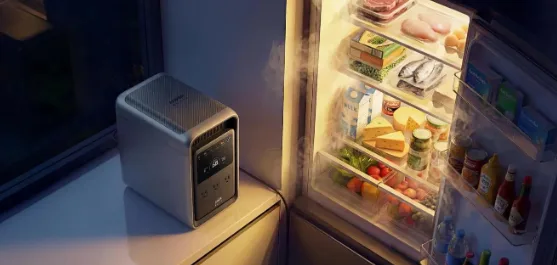
The Anker SOLIX S2000 can power many of the devices people rely on most at home, especially during a blackout. With a 2,010Wh battery and 1,500W rated AC output, it is designed to keep essentials running rather than replace a whole-home generator. That makes it well suited for refrigerators, Wi-Fi routers, lights, fans, phones, laptops, TVs, and selected kitchen or small household devices within its output limit. It is also compact enough to move between rooms, so backup power can go where it is needed most. For homeowners and renters who want a practical outage solution without rewiring, the key question is not whether it can help, but which appliances it can realistically support and for how long during unexpected outages.
Home Backup Power When the Grid Goes Down
Why Portable Backup Power Matters During an Outage
Portable backup power matters because most outages do not require every circuit in the home to stay on. What people usually need is enough electricity for the essentials: cold food storage, internet access, basic lighting, airflow, communication, and device charging. A portable power station supports those priorities without fuel storage, engine noise, or complicated installation. It can also be moved where it is needed, whether that is the kitchen for a refrigerator, the living room for lights and a TV, or a home office for a modem and laptop. For renters, apartment dwellers, and anyone without a transfer switch, portable backup offers a simple, clean way to stay functional and more comfortable until power returns.
Anker SOLIX S2000 at a Glance: 2,010Wh in a Compact Design
The Anker SOLIX S2000 Portable Power Station is positioned as a long-lasting 2kWh portable power station built for backup, mobility, and everyday convenience. It stores 2,010Wh of energy in an LFP battery, a chemistry known for durability and stability, and it is rated for 6,000 cycles to 80% capacity. Despite that capacity, it remains notably compact at 18.96L and weighs 16.2 kg, making it easier to carry between rooms than bulkier backup units. It also supports distributed, plug-and-play use, so you can place it wherever an outage creates the biggest need. For home backup, that small footprint matters almost as much as capacity, because practical backup power must be easy to deploy fast.
How Much Power Does the Anker SOLIX S2000 Provide?
Understanding 2,010Wh Capacity and 1,500W Rated Output
Capacity and output answer two different questions. The 2,010Wh battery capacity tells you how much stored energy the unit holds, which helps estimate runtime. The 1,500W rated AC output tells you how much continuous power it can supply to running appliances at one time. In practical terms, that is enough for core home essentials and many everyday electronics. It can support a refrigerator plus smaller loads like a router and lights, or a TV with laptops and phone chargers, as long as the combined running wattage stays within 1,500W. It also includes five 15A AC outlets, giving flexibility for several devices at once without forcing everything onto a single connection during an outage.
SurgePad Output, Peak Power, and What They Mean for Appliances
Some appliances need extra power for a brief moment when they start. That is where SurgePad output up to 2,600W and peak AC output up to 3,000W become important. These figures help the power station handle startup surges from devices such as refrigerators or certain kitchen appliances that momentarily draw more than their normal running wattage. The result is better compatibility with household equipment that would otherwise be harder to start on a portable unit. It also features a 10ms UPS switchover, which is useful for sensitive essentials like routers or desktop setups during sudden outages. For users, this means smoother backup performance, fewer interruptions, and more confidence when powering real home loads.
What Household Appliances Can the Anker SOLIX S2000 Power?
Keep Essentials Running: Refrigerator, Router, Lights, and Fans
For outage backup, the most practical answer is yes, it can run the essentials most homes care about first. That includes a standard refrigerator, Wi-Fi router, LED lights, fans, and personal electronics charging at the same time when total demand stays within the output limit. Anker states typical home backup use includes fridge runtime of 30+ hours in typical conditions, showing the unit is designed around real emergency needs rather than short bursts of convenience power. It also helps that the system has very low idle power draw and strong light-load efficiency, which supports longer runtime on smaller essential loads. For many households, that covers the difference between disruption and a manageable outage experience.
Power TVs, Laptops, Phones, Kitchen Devices, and Other Electronics
Beyond essentials, the unit can also handle many comfort and productivity devices around the house. TVs, laptops, phones, tablets, monitors, speakers, and chargers are all reasonable loads, and they usually consume far less than the available 1,500W output. Many small kitchen devices can also work, including appliances with modest running demands that stay within the system’s power range. That makes it useful not only for emergencies but also for temporary room-to-room power or planned use during peak utility pricing. The main guideline is simple: combine devices with an eye on total wattage, especially for heat-producing appliances. Used that way, it can cover a wide range of home electronics without feeling overly limited during normal backup scenarios.
Conclusion
The Anker SOLIX S2000 can power the appliances that matter most during a home outage: a refrigerator, router, lights, fans, phones, laptops, TVs, and many smaller household electronics. Its 2,010Wh capacity gives it meaningful runtime, while the 1,500W rated output supports everyday essentials and a broad mix of common devices. Added surge capability helps with appliances that need extra startup power, which makes the system more practical in real homes. Just as important, its compact size makes backup power easier to place where it is needed, without rewiring or a complex setup. For people asking what it can power at home, the clear answer is essential refrigeration, connectivity, lighting, comfort devices, and many low-to-medium power electronics during outages.