What Causes Electric Gates to Stop Opening or Closing Properly?
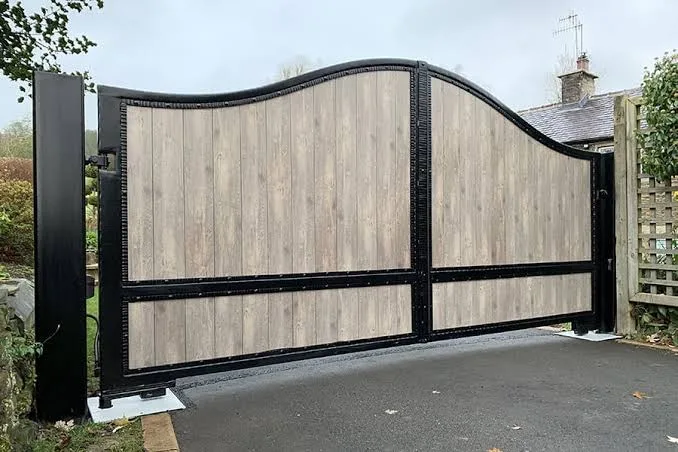
Electric gates provide convenient and controlled access to residential, commercial and industrial properties. When an automated gate suddenly stops opening or closing correctly, the cause may range from a simple obstruction to an electrical or mechanical fault. Identifying the potential cause early can help prevent further damage and determine when professional Electric Gate Repairs may be required.
Understanding common gate problems can also help property owners recognise warning signs before a complete system failure occurs.
Could an Obstruction Be Preventing the Gate From Moving?
One of the simplest causes of an automatic gate problem is an obstruction in its operating path. Leaves, stones, dirt, branches or other objects can interfere with sliding or swinging movement.
For sliding gates, debris can also accumulate along the track and prevent the rollers from moving smoothly. Increased resistance can place additional strain on the motor and other mechanical components.
The operating area should be kept clear, but property owners should avoid forcing a gate that appears jammed or mechanically damaged.
Could the Gate Sensors Be Causing the Problem?
Safety sensors are designed to detect obstacles and help prevent the gate from closing when something is in its path. If a sensor becomes dirty, misaligned or damaged, the gate may refuse to close or may stop during operation.
Sensor problems can sometimes appear intermittent, making them difficult to identify without proper testing. Regularly checking that sensors are clean and unobstructed can help, but persistent faults may require professional inspection.
Bypassing safety sensors should be avoided because they are an important part of automated gate safety systems.
Is There a Problem With the Remote Control?
A gate may appear to have stopped working when the actual issue is related to the access device. A depleted remote-control battery, damaged remote or signal interference can prevent the gate from receiving the opening command.
If other authorised access methods operate the gate normally, the remote may be the source of the problem. Where multiple remotes or access devices fail simultaneously, however, the issue may be associated with the gate’s receiver or control system.
Could the Gate Motor Be Faulty?
The motor is responsible for moving an automated gate and can develop problems through normal wear, electrical faults or excessive operating loads.
A gate that moves slowly, stops partway through its cycle or makes unusual noises may indicate a motor or mechanical issue. Resistance caused by poor alignment, worn rollers or damaged tracks can also increase the load placed on the motor.
Motor faults often require professional diagnosis because attempting electrical repairs without the appropriate expertise can create additional safety risks.
Could Damaged Tracks or Mechanical Components Be Responsible?
Mechanical components play an important role in the smooth movement of automatic gates. Sliding gates rely on tracks, rollers and guides, while swing gates use hinges, arms and other hardware.
If these components become worn, bent, misaligned or damaged, the gate may struggle to complete its opening or closing cycle.
A gate that appears uneven or requires increasing force to move may need a mechanical inspection. Addressing these issues early can help prevent additional stress on the motor and automation system.
What Happens if There Is a Power Supply Problem?
Electric gates depend on a reliable power supply to operate. A tripped circuit breaker, damaged wiring, failed power connection or internal electrical fault can prevent the automation system from responding.
Some systems include a battery backup or manual release mechanism, which can provide temporary access during a power interruption. However, recurring electrical problems should be assessed by a qualified professional.
Electrical components should not be opened or repaired without the appropriate expertise and safety precautions.
Could the Control Board Have Developed a Fault?
The control board acts as the electronic centre of many automated gate systems. It processes signals from remotes, sensors and other access devices before instructing the motor to operate.
A damaged control board can result in inconsistent operation, complete loss of response or unusual gate behaviour. Electrical surges, moisture and component failure can contribute to control-board problems.
A technician can test the system to determine whether the control board or another component is responsible.
When Are Electric Gate Repairs Necessary?
If basic checks do not resolve the issue, professional Electric Gate Repairs may be necessary. Repairs can involve diagnosing and replacing faulty motors, sensors, control boards, rollers, tracks, wiring or access-control components.
Prompt attention can be particularly important when the gate is the primary entry point to a property. Leaving a malfunctioning gate unresolved may lead to further wear or prevent the property from being accessed normally.
How Can Automatic Gate Problems Be Prevented?
Regular maintenance can help reduce the likelihood of unexpected failures. Property owners should keep operating areas clear, monitor unusual noises or movement, check visible components and arrange professional servicing when required.
Maintenance should also account for the property’s level of usage. A frequently operated commercial gate may experience more wear than a residential system used only a few times each day.
By monitoring performance and addressing early warning signs, property owners can help keep Automatic gates operating safely and reliably while reducing the risk of unexpected breakdowns.