
What Denver Homeowners Need to Know About Water Damage and Mold
When water gets into a home, the clock starts immediately. How quickly you respond, and whether you call the right kind of help, determines whether the situation stays manageable or escalates into a serious structural and health problem. For Denver property owners, working with a qualified Denver water damage restoration company isn’t just about drying things out. It’s about understanding a specific biological timeline, a specific local climate, and a specific set of professional standards that separate effective remediation from work that leaves hidden problems behind. Here is what you need to know.
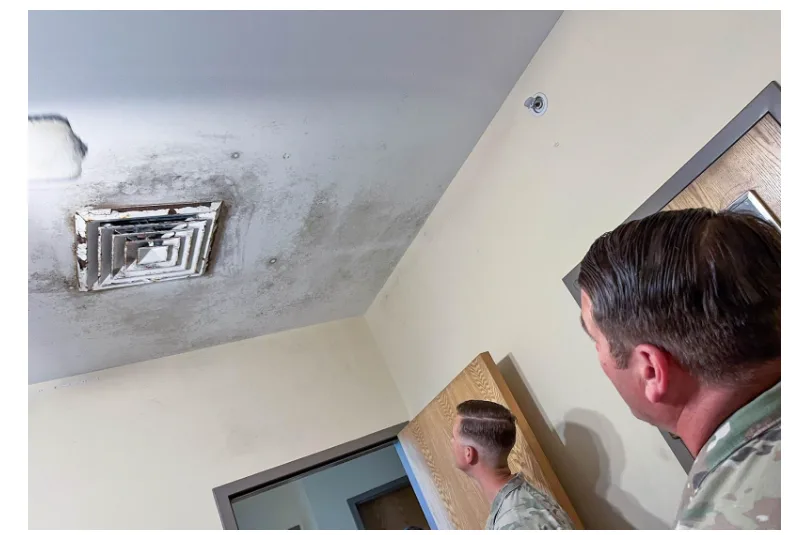
The 48-Hour Window That Determines Everything
The biology of mold sets the timeline for water damage response. Under favorable indoor conditions, mold spores can begin colonizing damp porous surfaces within 24 to 48 hours of water exposure. Once colonization begins, what would have been a straightforward structural drying project becomes a significantly more complex and expensive remediation effort.
Denver’s semi-arid outdoor climate creates a false sense of security for homeowners. The dry air outside does not protect indoor environments where moisture becomes trapped. Basements, crawl spaces, and wall cavities can maintain elevated humidity levels even when outdoor air is very dry, and these are precisely the areas where post-intrusion mold growth tends to develop most rapidly due to limited airflow and low light.
Industry standards from the Institute of Inspection, Cleaning and Restoration Certification classify fungal conditions on a scale that guides remediation response. A property with normal fungal ecology is Condition 1. Elevated contamination is Condition 2, and hazardous contamination is Condition 3. The goal of rapid response after water intrusion is to keep the property at Condition 1 or return it there quickly. When wet materials are thoroughly dried within the 48-hour window, mold growth can typically be prevented entirely. When that window passes, the scope and cost of remediation expand considerably.
What to Do in the First 60 Minutes
The actions taken immediately after discovering water intrusion determine how much damage accumulates before professional help arrives.
Stop the source first. Nothing else matters until the water stops entering the structure. Once the source is controlled, documentation becomes the priority. Before moving anything or beginning any cleanup, take comprehensive photos and video of the full extent of the damage. This documentation supports insurance claims and establishes the baseline condition of the property.
Remove standing water as quickly as possible using a wet vacuum. For carpets and carpet backing, water extraction within the first hours can make the difference between salvage and replacement. The faster the surface water is removed, the faster the drying process can begin on the materials beneath.
Know when to stop and call a professional. The EPA recommends professional assistance when the affected area exceeds approximately 10 square feet, or when the water source involves any contamination, such as sewage backup. Attempting to clean extensive contamination without proper equipment and containment can disperse spores and worsen the situation rather than improving it.
What Professional Restoration Actually Involves
Professional restoration is distinguished from DIY cleanup primarily by diagnostic technology and industrial drying equipment that addresses moisture invisible to the naked eye.
Certified technicians use infrared cameras and moisture meters to map water pockets trapped inside walls, under flooring, and within structural assemblies. This moisture mapping guides the placement of drying equipment and identifies materials that look dry on the surface but remain wet underneath.
Structural drying uses high-capacity air movers and dehumidifiers working together. Air movers accelerate evaporation from wet materials; dehumidifiers extract the resulting moisture from the air. Technicians monitor material moisture content continuously throughout the drying process to confirm that materials have reached acceptable levels before the job is closed. In complex situations, systems like Injectidry can force conditioned air directly into wall cavities without requiring demolition.
When microbial contamination is present, containment and air filtration are added to the process. Negative air pressure zones using HEPA filtration systems prevent spores from spreading to unaffected areas of the structure during the removal of contaminated materials. HEPA filters capture 99.97 percent of particles as small as 0.3 microns, which is the standard required to effectively control spore migration during remediation work.
How to Select a Qualified Contractor in Denver
The restoration industry uses IICRC certification as its primary quality standard. Certifications worth specifically looking for include Applied Microbial Remediation Technician (AMRT) for mold work and Applied Structural Drying (ASD) for water damage restoration. These designations indicate that technicians have completed specific training in the relevant industry standards.
Colorado does not require state-level licensing specifically for mold remediation, which means the quality gap between contractors can be significant. The City and County of Denver requires contractor licensing for residential remodeling and mold removal work, so verifying that a contractor holds active local licenses is an important first step. Proof of liability insurance and workers’ compensation coverage should also be confirmed before any work begins.
As the IICRC’s S520 Standard for Professional Mold Remediation outlines, post-remediation verification is the process that confirms a property has been successfully returned to a normal fungal ecology. A contractor who can explain this verification process clearly and who provides written estimates with a defined scope of work is operating at a professional standard. Be cautious of contractors who cannot explain their methodology or who resist providing written documentation of their process.
Understanding Costs and What Insurance Covers
In the Denver area, professional mold remediation typically costs between $1,100 and $3,100 for most projects, with an average around $2,100. Pricing is commonly calculated on a per-square-foot basis, generally between $10 and $25. More complex situations escalate significantly: attic remediation involving structural roof repairs can reach $4,000 to $7,000, and comprehensive whole-home remediation can approach $30,000 in severe cases.
Standard homeowners insurance policies typically cover water damage and resulting mold when the cause is sudden and accidental, such as a burst pipe or appliance failure. Damage from gradual seepage, long-term neglect, or lack of maintenance is frequently excluded. The distinction between covered and excluded damage often comes down to documentation of the cause and timing of the intrusion, which is one reason why thorough photographic documentation at the time of discovery matters so much. Many Denver restoration companies assist with the insurance claims process, helping document the source and extent of damage to support coverage determinations.
Established Denver Restoration Providers
The Denver market includes several well-established providers across different service models.
Abbotts Cleanup and Restoration operates as a 24/7 emergency service provider with a specific emphasis on assisting homeowners through complex insurance billing. Their price-match guarantee positions them as a competitive option for homeowners managing out-of-pocket costs carefully.
SERVPRO maintains multiple franchise locations throughout the Denver metro and markets a “1-4-8” response guideline, targeting on-site arrival within one hour of an emergency call. Their technicians hold IICRC certifications and handle both water and fire restoration projects.
ATI Restoration serves larger residential and commercial losses, providing detailed cost structures for remediation and reconstruction with industrial-grade equipment suited to extensive damage scenarios.
Prevention Specific to Denver’s Conditions
Denver’s freeze-thaw cycles create a specific and common water damage risk: pipes that freeze and burst during temperature swings. This is one of the most frequent covered perils in the region and one of the most preventable with basic winterization. Property owners are responsible for maintaining water service lines on their property, so understanding the layout of your plumbing and protecting vulnerable exterior pipes before winter is a practical priority.
Indoor humidity control is the other major prevention lever. The CDC recommends keeping indoor humidity levels at or below 50 percent to inhibit mold growth. In Denver homes, this most commonly requires dehumidifiers in basements, improved ventilation in bathrooms and laundry areas, and attention to any area where moisture accumulates regularly. Regular inspections of appliances, roof penetrations, and foundation areas can catch slow leaks before they develop into mold problems, which is considerably less expensive than addressing active contamination after the fact.
Building a relationship with a certified restoration provider before a problem occurs means that when water intrusion happens, the response can begin within the critical window rather than being delayed by the research and vetting process. A trusted contractor already familiar with your property type and local building conventions can mobilize faster and communicate more efficiently when time genuinely matters.