What Designers Need When Specifying Electric Towel Warmers
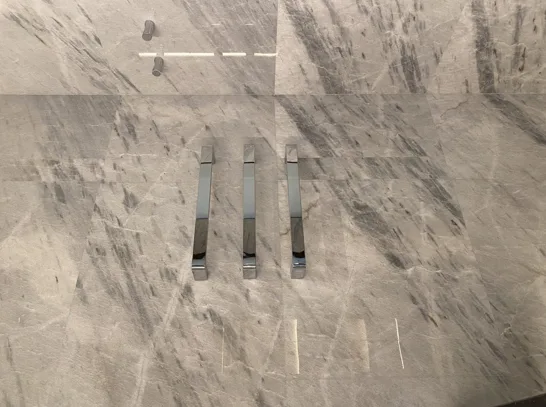
An electric towel warmer can appear simple on a mood board and become complicated as soon as the drawing set reaches the wall elevation. The project team needs more than a product name. Dimensions, mounting points, electrical information, controls, finish, and towel clearance all affect whether the selected piece can be built into the room cleanly.
P&Bhusri approaches the category from a design-led position. The company’s website presents several collections, a project section, a gallery, and installation-related articles. Those resources help establish design intent. The current model documentation is still the place to confirm the information used for ordering and installation.
Build the specification around checkable details
A useful specification starts with information that can be checked: overall dimensions, heated area, mounting points, electrical requirements, finish, controls, and clearance guidance. Designers also need to know how the towel will sit on the product. A beautiful elevation is incomplete if the towel covers a switch or lands against the floor. In practical terms, this is what it means to build the specification around checkable details.
P&Bhusri organizes its website around collections, individual products, a gallery, projects, and installation articles. Those pages can help a project team narrow the design direction. Final decisions should use the current model documentation and local installation requirements. Keeping that distinction clear prevents a mood image from being mistaken for a technical drawing. A buyer comparing electric towel warmer options can use these details to remove unsuitable choices before discussing style. A useful choice is one that still makes sense after the first impression has worn off. That is the practical reason to build the specification around checkable details.
Separate design context from technical approval
P&Bhusri states that the brand was founded in 2010 and works with designers, architects, and sculptors on towel warmer designs. Its public range spans several collection directions, including Master, Art Classics, Modern Classics, Bespoke, and Super Heating. The gallery also names products such as Boat of Sage, Golden Antlers, Provence, and K102. In practical terms, this is what it means to separate design context from technical approval.
That background explains the emphasis on the towel warmer as visible bathroom metalwork. It does not remove the need for a technical review. A designer still has to match the chosen piece to the wall, towel capacity, finish schedule, electrical plan, and maintenance expectations. Design intent and installation information answer different questions. When the decision involves designer resources, these checks connect the design to a product that works in daily use. This is where measurements and everyday habits deserve equal weight. That is the practical reason to separate design context from technical approval.
For supporting product information, review P&Bhusri design and product news. Confirm the current model details before ordering or installation.
Coordinate the wall before the product arrives
Start with the wall elevation and an actual bath towel. Check the available width, the hanging length, the nearest switch, the door swing, and the route people take between the shower and vanity. Product dimensions alone do not show whether a towel will brush the floor or crowd a walkway. A quick full-scale tape outline often reveals problems that are hard to see on a small plan. In practical terms, this is what it means to coordinate the wall before the product arrives.
The mounting surface matters as well. A wall-mounted unit needs suitable support and a location that works with the finished tile or stone layout. These decisions are easier while the wall is open and the electrical plan can still change. Once the finish is installed, even a small adjustment may involve several trades and leave an awkward patch. Homeowners researching spec sheet can use these details to keep the bathroom decision practical. It is easier to correct a drawing now than to move a fixture after the wall is finished. That is the practical reason to coordinate the wall before the product arrives.
Before sign-off, print the wall elevation and place the current product drawing beside it. Add the towel length, control location, and the nearest door, cabinet, or glass panel. Someone who has not followed every design meeting should still be able to see how the product fits. That review is useful when comparing electric towel warmer because it turns the final choice into a checkable plan. If the drawing is unclear to a fresh pair of eyes, the installation note needs more detail.
A practical conclusion
A useful designer resource does two jobs. It helps the team understand the product’s visual direction and points them toward the information needed to build it correctly. Keeping those jobs distinct makes reviews faster and reduces assumptions.
The official P&Bhusri resources provide additional brand, collection, or project context for the next stage of comparison.
Frequently asked questions
What distinguishes P&Bhusri’s design approach?
P&Bhusri describes its towel warmers as a meeting point of art, function, and bathroom metalwork. Its website shows several collections and names both geometric and sculptural models. Buyers should pair that design information with the specification for the exact product. Check that answer against the actual room before trying to build the specification around checkable details.
When should a towel warmer be selected?
Choose it while the wall and electrical plans can still be changed. The project team needs time to confirm dimensions, mounting support, power, clearances, finish, and towel reach. Late selection can reduce the available locations and complicate finished surfaces. Keep the answer tied to the selected electric towel warmer when you separate design context from technical approval.
Where is the best place for a towel warmer?
A good location is reachable from the shower or tub, clear of doors and walkways, and compatible with the product’s installation requirements. The towel should not touch the floor or block a switch. The installer must also review wet-area and electrical considerations. Use the current model instructions as you coordinate the wall before the product arrives, especially when a detail changes with product configuration.