What Does a Handheld Tuner Actually Do for Your Motorcycle?
Modern motorcycles are rolling computers. Every throttle input you make passes through an ECU that decides how much fuel to inject, when to fire the spark, how far to open the electronic throttle, and how aggressively the traction control should intervene. From the factory, those settings are deliberately conservative. Manufacturers have to satisfy noise regulations, emissions targets, and fuel-quality standards across dozens of markets, which means your bike almost never leaves the showroom performing at its true potential.
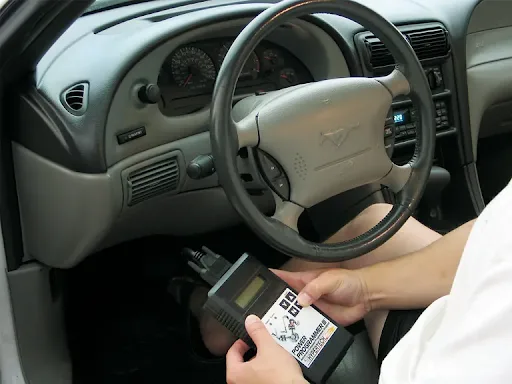
That is exactly the gap a flash tune closes, and it is why handheld tuners have become the most popular way for riders to unlock their machines. Instead of shipping your ECU away or wiring in a piggyback fuel controller, a handheld device plugs into your bike’s diagnostic port, reads the stock calibration, and writes a professionally developed map back to the ECU in a matter of minutes, right in your own garage.
How a Handheld Tuner Works
The process is simpler than most riders expect. The device first pulls the original file from your ECU and stores it as a backup, so your factory settings are never lost. That stock file is matched with a calibration engineered for your exact model, year, and modification level, and the new file is then flashed onto the bike over the same diagnostic connection. There is no cutting of wires, no add-on modules hidden under the seat, and no permanent change to the hardware. If you ever want to return to stock, whether for a dealership visit, a warranty inspection, or resale, you flash the original file back.
What Changes After the Flash
A quality tune touches far more than peak horsepower. Fuel and ignition tables are optimized for real performance rather than worldwide regulatory compliance, which typically frees up meaningful power through the midrange and on top. Throttle response is cleaned up, eliminating the snatchy on-off transition that plagues many stock sportbikes. Restrictions such as top-speed limiters, decel fuel cut, and heavily leaned cruise zones can be removed, which also reduces the excessive engine heat many riders complain about in traffic. Depending on the platform, features like launch control, quickshifter refinement, or fan-temperature adjustments can be added or improved as well.
Handheld Flashing vs. Mail-In Tuning
Mail-in ECU flashing produces the same end result, but it leaves your motorcycle immobilized while the computer travels back and forth. A handheld tuner keeps the bike on the road and puts control in your hands. Most devices store multiple maps, so you can load a calibration for pump gas today and switch to a race-fuel or ethanol map before a track weekend. When your tuner releases updated files, you simply load them at home instead of paying for another round of shipping. For riders who modify their bikes in stages, adding an exhaust now and intake work later, that flexibility is the real value.
What to Look For Before You Buy
Not all tuning solutions are created equal. The device is only a delivery tool; the calibration inside it is what determines how your bike runs. Look for a tuning company that develops its own files in-house on engine and chassis dynamometers, supports your exact ECU version, and has a track record on your specific platform. Proper research and development matters, because a poorly built map can run an engine lean, trigger fault codes, or leave drivability worse than stock. Reputable developers test their calibrations across seasons, altitudes, and fuel qualities before release, and they back their products with real customer support when questions come up.
Conclusion
A handheld tuner is the rare modification that improves nearly every ride, whether you commute, tour, or chase lap times. It sharpens throttle response, recovers the performance your motorcycle was engineered to deliver, and does it all without permanent changes to the machine. Pair a quality device with a professionally developed calibration from an established tuning house, and a few minutes in the garage will transform how your bike accelerates, breathes, and behaves everywhere from city streets to the racetrack.