
What Employers Need to Prepare Before the February 2 Tax Reporting Deadline
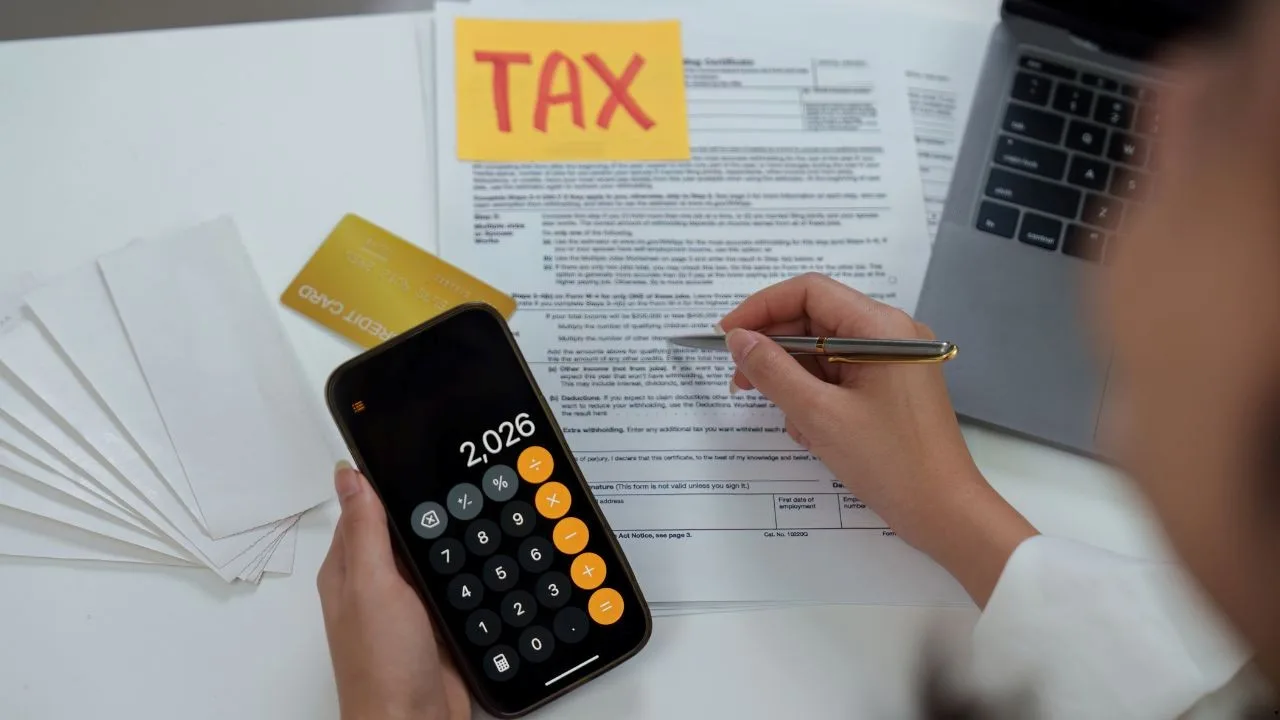
Are your W-2s and contractor forms actually ready to be sent out before the February 2 deadline?
For many employers, that date arrives quickly, and the problems tend to show up right when there’s the least time to fix them.
February 2, 2026, marks a key tax reporting deadline for employment-related filings. By this date, employers must file with the IRS and distribute recipient copies. This includes providing W-2 forms to employees and submitting Form 1099-NEC for qualifying independent contractors.
The challenge is rarely understanding what forms are required. More often, it’s underestimating how long it takes to confirm worker details, reconcile records, and prepare accurate information for both filing and distribution.
Why the February 2 Deadline Matters
The February 2 tax reporting deadline applies to two major employment-related reporting obligations: W-2 forms and Form 1099-NEC.
Employers must provide W-2 forms to employees and file them with the Social Security Administration by this date. These forms report annual wages and taxes withheld, and errors can delay employees’ ability to file their personal tax returns.
At the same time, businesses that paid independent contractors $600 or more for services during the year are required to file Form 1099-NEC with the IRS and provide copies to those contractors. Unlike some other forms, Form 1099-NEC does not benefit from extended filing deadlines, which leaves little margin for delay.
Because both obligations fall on the same date, February 2 often becomes a bottleneck for employers juggling multiple year-end tasks at once.
W-2 and 1099-NEC Reporting Is Often Left Too Late
Many reporting issues arise not from complexity, but from timing. Employers frequently underestimate how long it takes to confirm worker information, reconcile payroll records, or identify which payments require reporting.
Contractor reporting, in particular, tends to cause problems. Missing or outdated details, such as names, addresses, or tax identification numbers, are often discovered only when forms are about to be filed. At that point, tracking down accurate information can be difficult, especially if the working relationship ended months earlier.
Employee reporting presents its own challenges. Payroll changes late in the year, benefit adjustments, or manual corrections can introduce discrepancies that are easy to overlook until forms are generated.
The Bigger Compliance Risk Employers Overlook
Beyond deadlines, accuracy remains the most overlooked risk in employment tax reporting. Incorrect figures, misclassified workers, or using the wrong form can all trigger follow-up notices and additional administrative work.
Worker classification is a particularly sensitive area. Treating a worker as a contractor when they should be classified as an employee affects both W-2 and 1099-NEC reporting, and mistakes can have consequences that extend beyond a single filing season.
These issues rarely stem from intentional non-compliance. More often, they result from fragmented record-keeping and a lack of visibility across payroll and contractor payments.
Building Reporting Into Year-End Operations
Employers who manage the tax reporting deadline most effectively tend to treat reporting as an ongoing process rather than a last-minute task. Verifying worker details early, keeping payment records up to date, and reviewing classifications periodically can significantly reduce year-end pressure.
With the February 2 deadline fixed, preparation remains the most reliable way to ensure W-2 and 1099-NEC filings are completed accurately and on time. When reporting is treated as a standard part of year-end operations, it becomes far less disruptive, and far easier to manage.