What End to End Production Means for an Event: A Look at Audio Visual Services
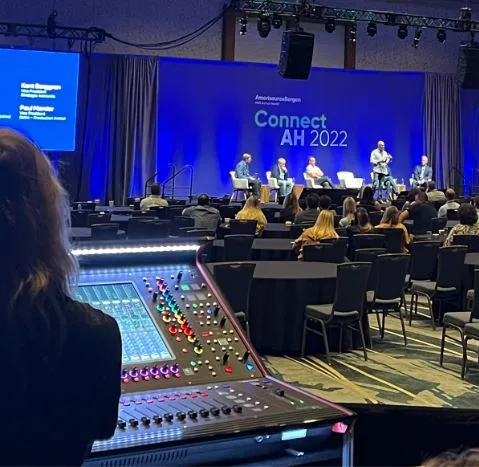
Planning an event involves more moving parts than most people realize. Between the venue logistics, the speaker lineup, the catering details, and the audience experience, there are dozens of decisions that need to land at exactly the right moment. When something goes wrong on the audio visual side, it tends to be the thing everyone remembers. A microphone that cuts out during a keynote or a projector that flickers through a product launch can undo months of preparation. This is exactly why end to end production has become the standard approach for serious event organizers who want to deliver a polished experience.
Defining End-to-End Production
End to end production means a single team handles every aspect of the event from the earliest planning conversations through the final equipment load out. Rather than coordinating separate vendors for sound, lighting, video, staging, and live streaming, the organizer works with one production partner who owns the entire technical experience. That team takes responsibility for the planning phase, the on site execution, and everything that happens after the doors close.
It is a philosophy as much as a service model. The production company is not just renting gear or sending technicians. They are accountable for the outcome. If the sound is muddy in the back of the room or the video feed drops during a panel discussion, there is no finger pointing between vendors. One team, one point of contact, one set of expectations. For event organizers, this consolidated accountability is often the difference between a stressful production day and a smooth one.
What This Looks Like for Audio Visual Services
Audio visual is where end to end production really proves its value. The discipline covers a wide range of services, and each one needs to integrate seamlessly with the others. A modern event might involve more technology than a small television studio, and trying to manage that complexity through multiple vendors creates risk at every handoff.
A complete audio visual production scope typically includes:
- Site surveys and venue assessments to identify acoustic challenges, sight lines, and power requirements
- Sound system design including microphones, mixing consoles, speakers, monitoring, and intercom systems
- Lighting design covering stage washes, accent lighting, intelligent fixtures, and ambient room lighting
- Video production with cameras, switchers, projection or LED walls, and confidence monitors
- Live streaming and recording for hybrid or remote audiences
- Staging, scenic elements, set construction, and presentation graphics
- Show calling and technical direction during the event itself
- Rehearsals, technical run throughs, and presenter coaching
- Strike, transport, and post event deliverables such as edited recordings
According to a Denver AV company, Kaleidoscope Productions, “when one team handles all of these elements, the technical decisions reinforce each other.” The lighting designer knows what the camera operators need to capture clean shots. The audio engineer understands how the streaming feed will be mixed for remote viewers. The show caller has a clear picture of every cue across every department, and the entire crew works from the same script.
Why Integration Matters More Than Equipment
Plenty of vendors can deliver impressive equipment lists. The real difference with end to end production is integration. An event has a rhythm to it, and that rhythm depends on every technical element responding in sync. When a presenter walks on stage, the lighting cue, the microphone activation, the slide advance, and the camera switch all need to happen together. Coordinating that across multiple companies is possible but difficult. Coordinating it within one team is the default condition.
This integration also affects troubleshooting. Live events rarely go exactly to plan. Someone misses their cue, a presenter changes their content at the last minute, or a piece of equipment behaves unexpectedly. With an end to end production team, the response is immediate because the people solving the problem already understand the entire system. There is no need to call a separate vendor to ask why the projector is not receiving the signal from the switcher. The fix happens in seconds rather than minutes, and the audience never notices.
The Planning Phase Is Where the Work Really Happens
Most attendees see only the day of execution, but experienced producers know that the bulk of the work happens weeks before the event. End-to-end production teams spend that time building production schedules, running advance meetings with presenters, generating CAD drawings of the room layout, and pre-programming lighting and video content. They confirm power loads with the venue, coordinate rigging plans, and test calls with remote presenters.
The planning phase is also when content gets shaped to fit the production. Slide decks get reviewed for readability on the actual screen size. Video clips get checked for proper aspect ratio and audio levels. Walk-in music gets selected to match the energy the organizer wants in the room. These details are easy to overlook when each one belongs to a different vendor, but they are routine when one team owns the entire experience. When the event arrives, the team is not improvising. They are executing a plan they helped design.
Choosing the Right Production Partner
For organizers evaluating corporate event production companies, the right questions are not just about gear inventory. Ask how they handle the planning phase and how early they want to be involved. Ask who the on site point of contact will be and how decisions get made when something changes during the event. Ask what their post event deliverables include and how quickly recordings will be available. Ask for references from events of similar scale and format.
It also helps to ask about their crew. The best equipment in the world cannot save an event from an inexperienced operator. Look for production companies that invest in their people, train them across multiple disciplines, and treat the on site team as the most important part of the service.
End to end production is ultimately about accountability. The team you hire owns the experience your audience walks away with. When that ownership is clear, the audio visual side of your event stops being a source of anxiety and becomes one of the strongest reasons people remember it for the right reasons.