What Every Homeowner Should Know About Recovering After a Major Storm
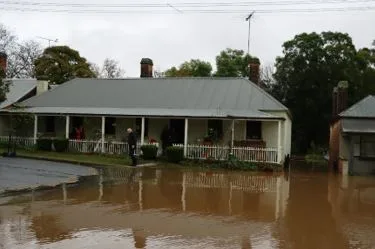
A major storm can turn life upside down in a matter of hours. One moment, everything is fine, and the next, you are standing in your living room staring at a damaged roof, waterlogged floors, or a yard full of debris. For homeowners, the aftermath of a storm is overwhelming, and knowing where to start can feel impossible. The good news is that recovering from storm damage is entirely manageable when you approach it with the right information and a clear plan.
Prioritize Safety
The first thing you need to do after a major storm is make sure your home is safe to enter. Structural damage is not always obvious from the outside. Walls can be weakened, floors can be compromised, and hidden water damage can make certain areas dangerous. Before you walk through your front door, take a careful look at the exterior.
If there are large sections of the roof missing, visible cracks in the foundation, or the structure appears to be leaning or shifted, do not go inside. Call a professional to assess the situation first.
Getting the Damage Assessed and the Restoration Process Started
After confirming that your home is safe, the next priority is understanding the full scope of what the storm did to your property. This is where many homeowners make a critical mistake. They see the obvious damage and assume that is all there is.
Storm damage, however, often goes much deeper than what is visible to the naked eye. Water seeps into walls, insulation gets saturated, and moisture hides behind surfaces for days before it becomes a visible problem.
What most people do not realize is that a proper recovery does not just mean fixing what you can see. It means hiring a reliable storm damage restoration service for an assessment to ensure that every affected area is identified and treated before secondary problems like mold and rot have a chance to take hold. The sooner that process begins, the better your chances of a full and clean recovery.
Document Everything for Your Insurance Claim
Before any cleanup or repairs begin, take photos and videos of every affected area. Capture the damage from multiple angles and document every room, the exterior, the roof, and the yard. This visual record is critical when you file your insurance claim, and the more thorough you are, the smoother the claims process will be.
Write down a list of damaged belongings and structural elements as well. Note anything that was destroyed or needs replacement. Keep every receipt related to emergency repairs, temporary accommodations, and any services you hire during the recovery process. Insurance adjusters will ask for documentation, and having it organized from the start saves you a significant amount of stress down the line.
Work With Your Insurance Company the Right Way
Filing an insurance claim after a storm is not always straightforward. Contact your insurance provider as soon as possible and report the damage. Most policies require you to notify them within a specific window, so do not delay. When the adjuster comes to inspect your property, walk them through every area of damage and make sure nothing is overlooked.
Read your policy carefully before that meeting. Understand what is covered, what is not, and what your deductible looks like. If the adjuster’s assessment feels incomplete or does not capture the full extent of the damage, you have every right to push back, request a second opinion, or bring in a public adjuster to represent your interests.
Staying informed and involved throughout the claims process is one of the most effective ways to make sure you get what you are rightfully owed.
Temporary Repairs Are Your Responsibility
While you are waiting for permanent repairs to begin, you are generally responsible for preventing further damage to your home. This means placing tarps over damaged sections of the roof, boarding up broken windows, and removing standing water as quickly as possible. Insurance companies expect homeowners to take reasonable steps to limit additional damage, and failing to do so can affect your claim.
Keep records of every temporary repair you make, including photos taken before and after. These costs are often reimbursable under your policy, but only if you can show that the work was done and what it involved. Treating this documentation as seriously as you would a legal record will serve you well when the time comes to settle your claim.
Do Not Rush the Cleanup
It is tempting to want your home back to normal as fast as possible, and that urgency is completely understandable. But rushing through the cleanup process can cause more problems than it solves. Waterlogged materials need to dry out properly before repairs begin. Moisture trapped inside walls or under flooring will eventually lead to mold, which is a costly and health-threatening problem.
Give the drying process the time it needs. Use fans and proper ventilation to speed up moisture removal, and consider bringing in professional equipment for areas that have experienced significant water intrusion. Cutting corners here often means dealing with a much bigger problem a few weeks later.
Rebuilding With Stronger Standards
Once the cleanup is done and repairs are underway, take the opportunity to rebuild smarter. Many homeowners use the recovery period as a chance to upgrade materials and techniques so their home can better withstand future storms. Impact-resistant roofing, reinforced doors and windows, and improved drainage around the foundation are all worth considering.
Talk to your contractor about what upgrades make the most sense for your specific home and the types of storms your area typically experiences. A little investment in resilience now can prevent a major headache the next time severe weather rolls through.
Recovering from a major storm takes time, patience, and the right support. But with a clear head and the right approach, homeowners come out of it with their property restored and often in better shape than before.