What Every Semi-Truck Owner Should Know Before Selling Their Vehicle
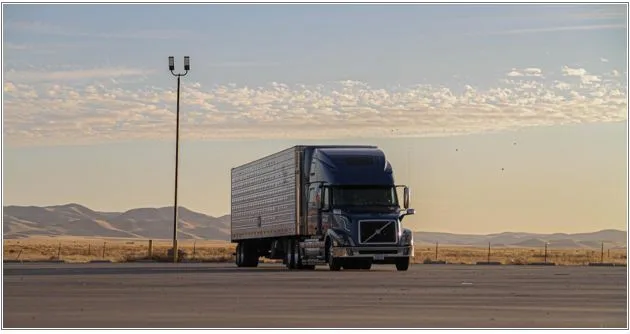
Selling a big rig takes a completely different strategy than selling a regular car. The unique demands of the freight market, along with strict trucking rules, create tough challenges for drivers and fleet managers alike. You need to know what your truck is worth, gather its repair history, and watch market trends to get the best price. It takes a lot of effort. If you want to bypass the traditional hassles of the open market, strategic alternatives exist that allow you to sell your semi-truck fast.
Hidden Roadblocks of the Traditional Rig Market
Selling a semi on the open market is a massive headache that wastes your time and quickly drains your wallet. Most private buyers can’t get a bank loan for a big rig, so they haggle on the price. If you post your truck on public classified sites, you get a lot of lowball offers, time-wasting tire-kickers, and deals that go nowhere. Meanwhile, you still have to pay for insurance, registration, and parking while the truck sits idle. Those bills add up fast.
- Unreliable private funding – Independent buyers often struggle to secure heavy-duty vehicle loans, causing transactions to fall through at the last minute.
- Continuous holding expenses – Every week your truck remains unsold, you absorb the financial impact of storage fees, routine maintenance, and depreciating value.
- Excessive marketing effort – Creating listings, answering repetitive inquiries, and scheduling mechanical viewings requires dozens of hours away from your primary business operations.
- Unpredictable auction outcomes – Public commercial auctions charge hefty entry fees and take substantial percentages of the final sale price without guaranteeing a minimum payout.
The Nightmare of Mechanical Inspection Verification
Smart buyers want to see every single repair record before they’re even all that interested. They want proof. A single missing maintenance log or undocumented transmission fix can instantly ruin a good deal. You must gather years of safety logs, emissions papers, and unexpected breakdown receipts to prove your truck runs well. Many independent sellers lose thousands of dollars in profit simply because they cannot find the paperwork that proves the engine is in good shape. It is a frustrating setback.
- Burdensome maintenance tracking – Compiling decades of service invoices from multiple third-party repair shops creates an administrative logistical bottleneck.
- Strict emissions requirements – Sellers in strict environmental jurisdictions face severe financial penalties if their older particulate filters fail regional compliance testing.
- Hidden component issues – Undetected hairline frame cracks or differential wear revealed during assessments usually completely kill your negotiating leverage.
Complications in Out-of-State Transactions and Title Transfers
Selling a commercial truck to someone in another state brings up tricky tax and registration rules that catch many drivers off guard. You must follow the exact guidelines of the International Registration Plan and the International Fuel Tax Agreement to keep the sale legal. Don’t skip this step because failing to cancel your active apportioned plates or update your carrier status with the government leaves you open to extra tax bills. Additionally, different states enforce unique lien release laws. This variety frequently stalls the processing of the vehicle title during a standard private transaction.
- Complex tax reconciliation – Sellers must calculate and file final mileage reports to settle outstanding regional fuel use taxes before closing their accounts.
- Apportioned plate cancellation – Retaining registration under active fleet accounts after an asset transfer triggers erroneous highway use tax assessments.
- Federal safety registry updates – Neglecting to remove a sold vehicle from your active Department of Transportation inventory violates federal carrier compliance rules.
- Escrow verification bottlenecks – Cross-state banking institutions often enforce a multi-week hold on large out-of-town certified checks before releasing official title documentation.
Direct Liquidation Through Specialized Commercial Buyers
Companies that focus entirely on buying fleets and single semi-trucks offer a much faster path than trying to sell the truck yourself. These professionals purchase heavy equipment in almost any condition. And if you’re one of the thousands of truck drivers with CDL issues, a quick sale could be just what you need.
This approach means you avoid spending tons of cash on pre-sale overhauls. They evaluate your asset using real-time market data, ensuring you receive a fair offer that reflects current industry values.
- Accelerated transaction timelines – Specialized commercial buyers typically finalize operations and arrange vehicle extraction within two to three business days.
- Zero preparation requirements – You bypass expensive detailing, engine overhauls, and cosmetic detailing because these organizations buy rigs completely as-is.
- Complimentary vehicle extraction – The purchasing company coordinates all heavy-duty logistics and removes the truck from your yard or job site at no cost to you.
- Compliant title management – Experienced staff members handle the intricate legal paperwork, Department of Motor Vehicles transfers, and lien releases on your behalf.
Turn Your Commercial Truck Into Fast Cash
Are you ready to eliminate the stress of selling and get a quick and direct cash quote? Professional commercial rig buyers provide upfront payments. Contact a commercial rig acquisition specialist right now to secure a competitive top-dollar offer for your rig.