What Fire Protection Systems Are Required in Commercial Buildings?
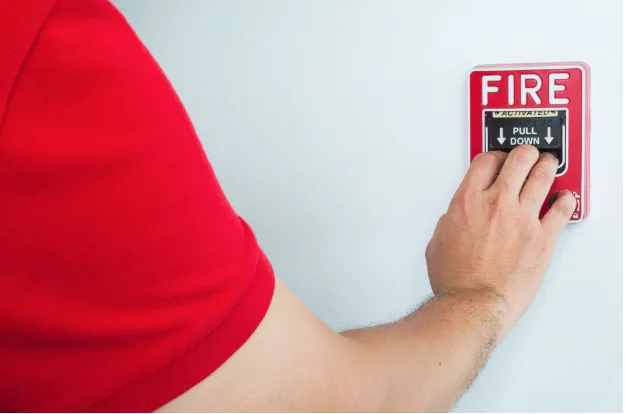
The fire protection systems required in a commercial building depend on factors such as its size, occupancy type, height, and intended use. While most commercial properties need core systems like fire alarms, automatic sprinklers, and portable fire extinguishers, additional protection may be required based on local building requirements and fire codes.
No two commercial buildings have identical fire safety requirements. A warehouse, restaurant, office, school, and healthcare facility all present different fire risks, so the systems needed to protect occupants and property can vary significantly.
Choosing experienced professionals like R.P. Biederman can help ensure your building is equipped with the right fire protection systems and remains compliant with applicable code requirements from the start.
Why Fire Protection Requirements Differ
Fire protection isn’t a one-size-fits-all solution. Building codes evaluate several factors before determining what safety systems are necessary, including:
- Occupancy classification
- Building height
- Total floor area
- Fire hazards present
- Local code amendments
Because jurisdictions may adopt different versions of national codes or introduce additional local requirements, compliance standards can differ from one location to another.
Automatic Fire Sprinkler Systems
Automatic sprinkler systems are among the most effective ways to control fires before they spread.
Many commercial buildings require sprinkler systems before receiving a certificate of occupancy, particularly if they exceed certain size or height thresholds. High-risk occupancies, institutional facilities, and many multi-story buildings often require complete sprinkler coverage regardless of building size.
Fire Alarm Systems
Fire alarm systems provide early warning, allowing occupants to evacuate safely and emergency responders to react quickly.
A commercial fire alarm system may include:
- Smoke and heat detectors
- Manual pull stations
- Audible and visual notification devices
- Monitoring systems connected to emergency services
Portable Fire Extinguishers
Portable fire extinguishers are a basic requirement in most commercial buildings.
Although they cannot replace larger suppression systems, they allow trained occupants to respond to small fires before they grow. Regular inspections, maintenance, and proper placement are essential to ensure extinguishers remain ready for use.
Additional Fire Protection Systems
Some buildings require specialized protection beyond standard sprinklers and alarms.
Depending on the property’s hazards, additional systems may include:
- Standpipe systems
- Clean-agent suppression systems
- Kitchen fire suppression systems
- Foam or specialized suppression equipment for hazardous areas
These systems are commonly installed in facilities with elevated fire risks or specialized operations.
What Determines Which Fire Protection Systems You Need?
The required fire protection systems depend on several factors, including a building’s occupancy type, height, size, and local code requirements.
High-rise buildings typically need more extensive life-safety features because evacuation is more challenging, while offices, warehouses, restaurants, schools, hotels, and healthcare facilities each have different protection standards.
Local building regulations and fire codes may also impose additional requirements, particularly for renovations, expansions, or changes in occupancy, making code compliance a building-specific process.
Final Takeaways
- Fire protection requirements vary by building type and size.
- Sprinklers, alarms, and extinguishers are common core systems.
- High-rise and high-risk buildings require additional protection.
- Local building guidelines and fire codes add extra compliance standards.
- Professional planning helps avoid costly code violations.
- Regular inspections keep fire protection systems working effectively.