What First-Time Homeowners Often Overlook About Long-Term Maintenance
Buying a home for the first time often feels like reaching a major life milestone. The focus is usually on closing paperwork, moving plans, and making the space feel personal. What often receives less attention is the long term care that keeps a home safe and comfortable over the years.
Maintenance goes beyond fixing what breaks and involves regular awareness and small actions taken early. When these details are overlooked, minor concerns can quietly grow into serious issues.
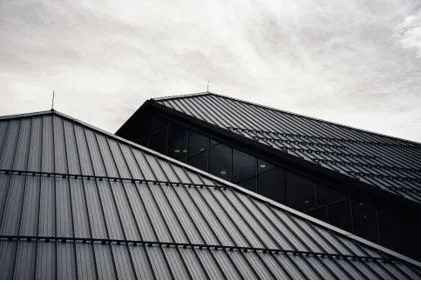
Overlooking the Roof
If you have just moved in and noticed curling shingles, uneven surfaces, dark patches, or materials that appear aged, it is easy to assume the roof can be dealt with later. Many first-time homeowners believe roofing problems only matter once water starts leaking inside. In reality, exterior warning signs often appear long before interior damage becomes visible. Ignoring these early indicators allows moisture to slowly work its way into layers beneath the surface, where it can affect insulation, ceilings, and structural components without obvious signs.
First-time homeowners often focus on interior upgrades while overlooking this critical barrier. A roof that is not checked after moving in may already be nearing the end of its useful life, especially if its maintenance history is unclear. If you just moved in and noticed the roof looks worn, uneven, or older than expected, get in touch with Mr. Roofing to conduct an assessment.
Neglecting Gutters and Drainage Paths
Gutters play a quiet but critical role in directing water away from the home. When they are ignored, leaves and debris can collect and block the flow of rainwater. This causes water to spill over the edges and settle near the foundation. Over time, that moisture can weaken surrounding materials and create damp areas around the base of the home.
Downspouts also need to remain clear and properly positioned so water moves away rather than pooling nearby. Routine cleaning and visual checks after heavy rain help ensure that drainage paths remain open and effective.
Forgetting About Heating and Cooling Care
Heating and cooling systems are often used daily, yet they receive attention only when something goes wrong. Filters can become clogged, vents can collect dust, and internal components can experience wear. When these systems are not maintained, they work harder to regulate indoor comfort.
This strain reduces efficiency and shortens the system’s lifespan. Simple habits like changing filters regularly and keeping vents unobstructed support smoother operation. Seasonal checkups help identify early signs of trouble and keep air flowing properly throughout the home.
Ignoring Hidden Plumbing Concerns
Plumbing issues rarely announce themselves loudly at first. Slow drips under sinks, faint moisture near walls, or subtle changes in water pressure can be easy to miss. Over time, even a small leak can damage cabinets, floors, and nearby surfaces.
Pipes also age and may corrode or loosen at joints. Paying attention to water usage patterns and inspecting visible plumbing connections helps detect problems early. Being mindful of unusual sounds or damp spots can prevent larger repairs later.
Overconfidence in Electrical Safety
Electrical systems tend to be trusted until a problem becomes obvious. Outlets that feel warm, flickering lights, or frequently tripped breakers signal underlying concerns. Older homes may not meet current safety expectations, yet these issues often remain hidden behind walls.
Regular testing of outlets and keeping an eye on how circuits respond during daily use adds a layer of protection. Replacing worn switches and ensuring cords are in good condition reduces the risk of unexpected failures.
Forgetting Exterior Surfaces and Finishes
The exterior of a home faces constant exposure to the elements. Paint, siding, and trim gradually wear down and lose their protective qualities. When these surfaces are not maintained, moisture can seep into underlying materials.
This leads to rot, warping, or surface damage that spreads slowly. Periodic cleaning and visual checks help reveal peeling paint or cracks early. Addressing these areas promptly preserves the exterior and prevents deeper structural concerns.
Overlooking Windows and Door Seals
Windows and doors influence both comfort and protection. Over time, seals can weaken and allow air or moisture to pass through. Drafts may appear, and condensation can form around frames.
These signs often develop gradually and may go unnoticed. Regularly checking seals and ensuring doors close properly helps maintain indoor conditions. Keeping tracks clean and hinges secure supports smooth operation and extends the lifespan of these features.
Underestimating the Impact of Indoor Moisture
Indoor moisture levels affect more than comfort. Bathrooms, kitchens, and laundry areas produce humidity that needs proper ventilation. When moisture lingers, it encourages mold growth and surface deterioration.
Exhaust fans should function efficiently, and vents should remain clear. Paying attention to condensation on walls or ceilings helps identify areas that need improved airflow. Maintaining balanced moisture levels protects interior finishes and supports healthier indoor conditions.
Forgetting Yard Grading and Outdoor Growth
The landscape around a home plays a role in long-term maintenance. Soil should slope gently away from the structure to guide water outward. When grading shifts over time, water may move toward the foundation instead.
Trees and shrubs also grow and can interfere with siding, roofs, or underground lines if left unmanaged. Regular observation of how the yard changes with the seasons helps prevent damage caused by roots or poor drainage patterns.
Failing to Create a Maintenance Routine
One of the biggest oversights is not having a simple plan for ongoing care. Maintenance becomes overwhelming when tasks are only addressed during emergencies. Keeping a basic schedule for inspections and seasonal tasks builds consistency. Writing down observations and completed work creates a helpful reference for future decisions. This approach reduces surprises and builds confidence in managing the home over time.
Long-term maintenance is an ongoing relationship with the home rather than a series of isolated tasks. Each system supports another, and small efforts made regularly have a lasting impact. First-time homeowners who develop awareness early find that their homes remain more comfortable and dependable. By paying attention to areas that are easy to overlook, they protect both the structure and their peace of mind for years to come.